Newsletter
 Events


Japanese Advertising Doesn't Need Explaining. It Needs Understanding
Putting culture ahead of creative conventions



“Why is Japanese advertising so different?”
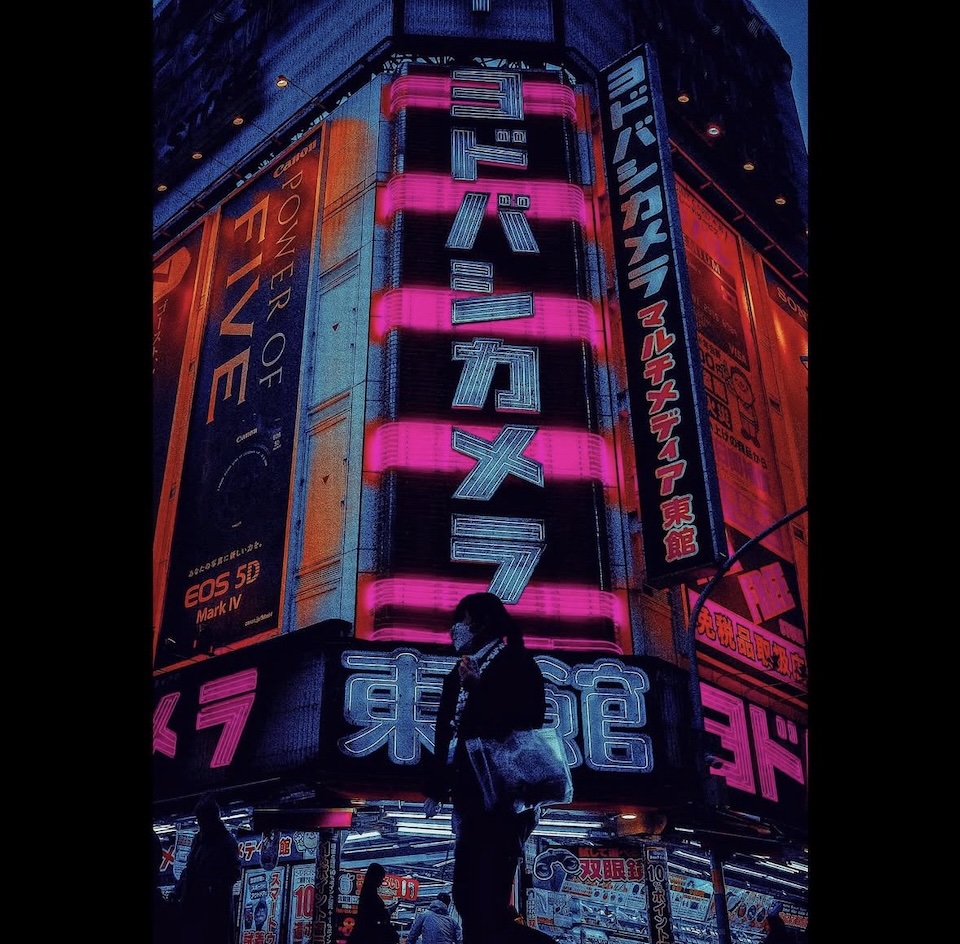
It’s one of the questions I’ve been asked most over the past decade by colleagues visiting Japan from Europe, the US and elsewhere. Usually, it follows a walk through Shibuya, a trip to Don Quijote or a TV commercial they can’t quite make sense of.
I used to explain the celebrities, mascots, jingles and information-packed packaging that can seem baffling to outsiders.
These days, I ask a simpler question: “Different compared to what?”
The longer I live here, the more I realise Japanese advertising reflects expectations and sensibilities that sometimes challenge my own.
Look at almost any packet in a Japanese convenience store. There’s often a lot going on: what it tastes like, what’s seasonal, where an ingredient came from, how to open it, even what the texture might feel like.
Raised on Western award annuals, I initially saw clutter. But that lens was shaped by living in India, London and Singapore.
Through a Japanese lens, the information has a job: to reassure, inform and remove doubt. A land of contradictions
Japan is often called a high-context culture: a place where relationships and shared cultural understanding communicate things that don’t need to be said aloud. Yet supermarket products can be incredibly literal, explaining even the smallest details.
That seems contradictory, but both approaches depend on knowing what can be left unsaid, and what shouldn’t be.
Earlier this year, snack manufacturer Calbee announced that an ink shortage meant 14 products would move to packaging using only two ink colors.
No grand brand idea or sustainability story. Just a supply problem, an explanation and reassurance that the product hadn’t changed.
And I loved that.
Not because Japanese brands are more honest than Western ones. That’s not my point.
What interested me was Calbee’s comfort with being literal. As marketers, we search for the emotional angle that turns a business decision into something bigger.
But sometimes, a packet has fewer colours because there isn’t enough ink. And that’s all that needs to be said.
Once you notice this relationship between culture and communication, you see it everywhere in Japan.
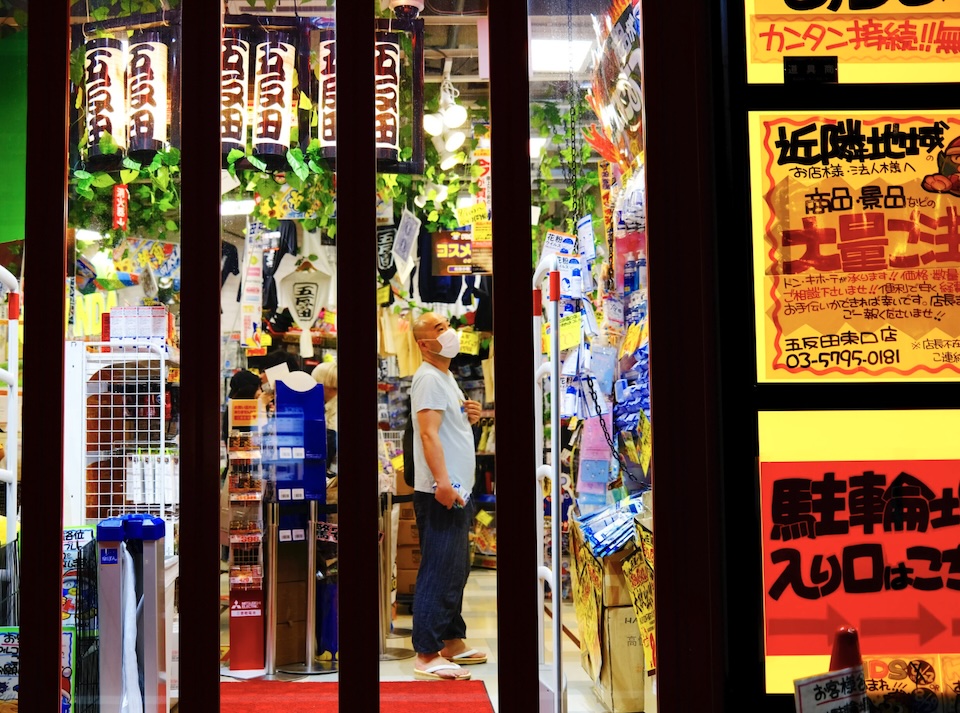
The colours, typography, jingles, characters and celebrities that outsiders find unusual have survived because they still work. Long before social, Japanese brands competed in packed stations, shopping streets, newspapers, television and crowded stores. With only a moment to get noticed, they had to make it count.
A fusion of old and new
Japan embraces technology while holding on to things that have worked for generations.
Walk into a teamLab exhibition and you’re surrounded by extraordinary technology. But you’re not just asked to admire it: you move through it, touch it and become part of it. At teamLab Borderless, there’s no prescribed route. You discover the experience in your own way.
Now look at Hayao Miyazaki’s anime. His work reminds us how much value the craft of observation and drawing still holds in Japan. The way someone walks, pauses, looks away or simply sits in silence can carry as much emotion as an elaborate action sequence. The power lies in noticing those small human details, not only in the tools used to bring them to life.
The smallest details matter. New tools don’t make older ways of seeing worthless. New and old can sit together comfortably. I find that tension very Japanese.
This coexistence also helps explain why Japanese creativity can seem contradictory. A commercial can feel like sensory overload while a graphic design communicates through a single image. Both serve their purpose. Working with Japanese creative teams, I’ve come to appreciate that pragmatism. Rather than starting with a preferred style, the discussion returns to practical questions: What must the brand achieve? What must consumers understand? Will they remember it? Will it work?
Japan’s influence on design, animation and pop culture hardly suggests a lack of creative vision.
But creativity needn’t always announce itself with a “big idea.” Sometimes, the cleverest thing is doing the job exceptionally well.
That’s a useful lesson beyond Japan
For marketers outside Japan, the lesson is to reconsider what we dismiss as old-fashioned. A mascot, jingle or familiar celebrity may not win applause in a global creative review. But if it builds recognition, connects with people and delivers for the brand, isn’t that good advertising?
Originality deserves celebration. But our industry’s taste isn’t the same as an audience’s needs, and awards aren’t the only measure of good communication.
As platforms and formats travel globally, it’s tempting to assume communication follows universal rules. Yet what people notice and remember in Japan comes from habits and expectations that existed long before the brief.
I’ll still be asked why Japanese advertising is different. I understand the curiosity, because I still share it.
But the next time advertising from Japan feels too loud, literal or old-fashioned, ask: as we shape the future of advertising, how can we make more room for creative approaches that build on what audiences value, not just what our industry considers new?
Related: Sapporo Leans Into a Fugu World