Newsletter
 Events

Why Do We Love Peter Parker? Because He Screws Up
What 'Spider-Man: Brand New Day' can teach marketers about letting audiences see themselves in a brand


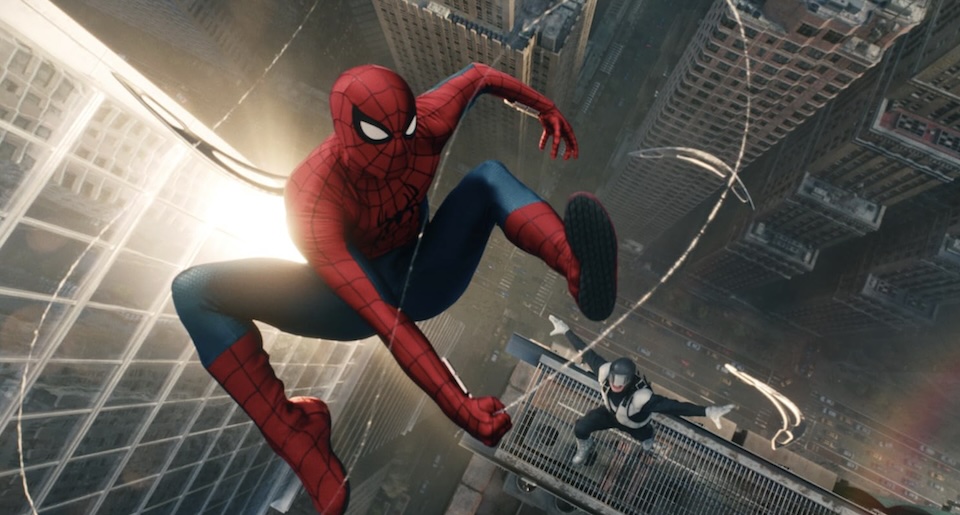
Spider-Man can lift cars, scale buildings and swing between skyscrapers. But none of that is why we actually love him.
We love Peter Parker because he screws up. He falls in love and gets his heart broken. He makes the wrong choice while trying desperately to make the right one. He loses people, blames himself for it, but finds a way to keep going.
Spider-Man: Brand New Day leans into that mess harder than any of Tom Holland’s previous outings in the suit. The spectacle is still there, and it is spectacular. But underneath it is a Peter Parker who is profoundly, achingly lonely. After Spider-Man: No Way Home, he lives in a world where the people he loves have no memory of him. Sony’s own synopsis describes him depressingly watching as his old friends move on. NPR’s review notes the film spotlights his heartbreak, and others have called it Holland’s most emotionally mature turn as the character.
I have spent the better part of a decade in marketing, most of it writing to people through their inboxes, and my industry is obsessed with aspiration. It goes like this: Buy the watch and you close all your deals. Wear the clothes and you suddenly become more desirable. Book the trip and you become the carefree person staring back at you from the campaign.
And look, there is nothing wrong with aspiration. We buy things partly because they let us imagine ourselves in fresh, novel ways. But aspiration creates distance. And along the way, a lot of us forget that relatability is what closes it.
Spider-Man manages to be aspirational and relatable at the same time, and that’s the trick. It’s also one of the hardest parts of being a marketer.
Peter Parker calls himself “your friendly neighborhood Spider-Man” for a reason. The whole brand is proximity. Nobody watches Peter swing through Manhattan and thinks, “That could literally be me.” But, we do know what it feels like to watch someone we love move on without us. We know guilt as well as we know heartache. As humans, we understand the exhausting experience of trying to do the right thing even when it hurts. The fantasy may be out of reach, but the underlying feeling never is.
Marketers still confuse vulnerability with weakness. Brands are built to project competence, so they want to look confident, polished and certain. Every rough edge gets sanded down until the finished product barely feels like an actual human experience. Peter Parker is proof you can do both. He can save New York and still have no idea what to do about his own life. And one does not diminish the other. If anything, that fear is what makes the heroism mean something. Courage counts for more when we know someone is afraid. Perseverance counts for more when we understand what it costs to keep going.
That’s not to say people want brands to manufacture hardship or turn every campaign into some kind of depressing confessional. What people are asking for is simple: leave room for humanity. Acknowledge the frustration your customer is feeling before you sell them the fix. Write humor that sounds like something a real person would say out loud. Show the messy middle around your product, not just the immaculate after.
More than 60 years ago, Stan Lee and Steve Ditko built Spider-Man’s whole character around one line: “With great power comes great responsibility.” When you are a kid, you love Spider-Man because he is, objectively, the coolest. Then you grow up, learn a few things about guilt and heartbreak and watch people move on without you. That’s when you start loving him for a different reason: He’s a superhero who reminds you of yourself.
Marketing holds that same power. We shape how people see themselves, more than we like to admit, and the responsibility is not just selling the dream—it is reminding people they are human while they chase it.
Keep giving people something to aspire to. Give them somewhere to see themselves along the way. Spider-Man has been doing both for 60 years. Brands can too.
Related: The Trojan Horse Is Still Potent and Other Lessons from ‘The Odyssey’


Anusha Singh is a marketing strategist and writer whose work explores the intersection of storytelling, branding, technology and culture. Drawing from a background in psychology, she examines how stories and cultural moments shape the way we think, communicate and build meaningful connections.