Newsletter
 Events

The Trojan Horse Is Still Potent and Other Lessons from 'The Odyssey'
What Christopher Nolan's blockbuster teaches brands about building stories that outlive their creators


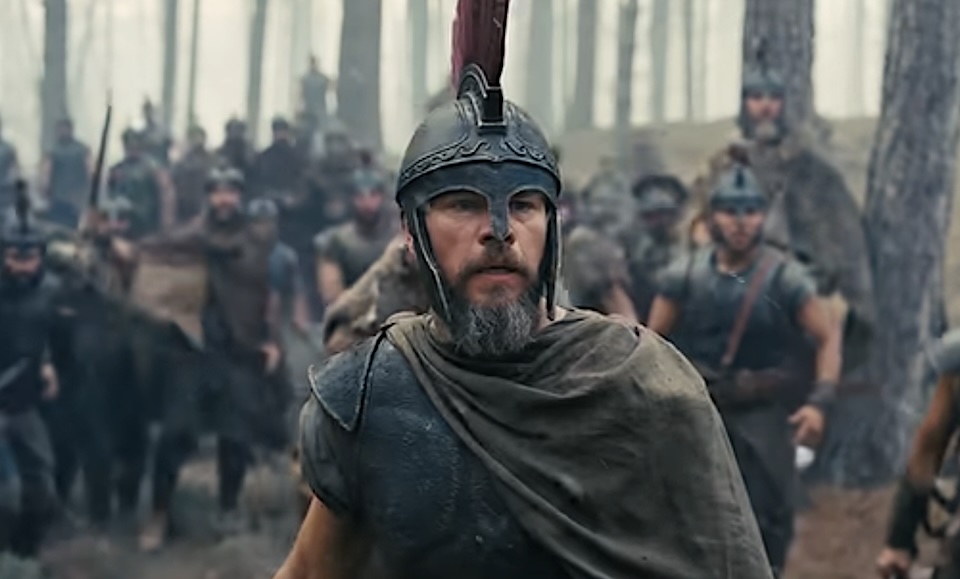
The goal of every marketer is to create a story people will still be telling after we’re gone: a campaign that outlives the quarter, a tagline that slips into everyday language, a brand people don’t just recognize but intuitively understand. Greek mythology has been doing exactly that for nearly 3,000 years.
Watching Christopher Nolan’s The Odyssey reminded me that the world’s most enduring intellectual property isn’t owned by Disney, Marvel or Apple—it belongs to Homer. And it belongs to Homer because the greatest stories don’t survive by resisting change. They survive because every generation finds a new reason to tell them again.
As the film has dominated conversations online since its release, I’ve noticed a familiar criticism: It isn’t historically accurate enough. It changes characters, modernizes dialogue and asks different questions than Homer’s epic poem ever did.
To me, that’s exactly why it works.
Nolan wasn’t making a historical reconstruction. Instead, he was adapting one of humanity’s oldest stories for a 21st-century audience. Great brands face the same challenge every day. Consumers change, culture shifts and technology evolves. If a story doesn’t develop alongside them, it stops feeling alive. The strongest intellectual property doesn’t remain culturally relevant by staying frozen in time. It remains relevant because each generation is invited to reinterpret it through its own experiences.
That’s why Greek mythology continues to thrive. It has become less of a fixed text and more of a shared cultural language. Think about how often we say “Trojan Horse,” “Achilles’ heel” or “siren song,” or call someone a “mentor,” without ever stopping to consider where those words came from. We don’t simply remember these stories; we use them to explain the world around us. That may be the highest form of brand recognition imaginable.
Nolan proved the point himself on his press tour. When an interviewer compared artificial intelligence to the Trojan horse, he agreed. AI is “a Trojan Horse that everybody knows the Greeks are inside,” he said. “[It’s] a transparent horse, it’s made of glass.” Three thousand years later, even the questions we ask reach for Homer to explain the defining technology of our time. That’s what enduring intellectual property looks like. Not that people remember it, but that they instinctively use it.
Nolan understands something marketers often struggle with: Relevance doesn’t come from changing the core of a story; it comes from changing the conversation around it. The Odyssey asks timeless questions about ambition, pride, guilt, home and forgiveness. Nolan reframes them through a modern lens. His Cyclops inspires empathy instead of triumph. His Athena reflects guilt and PTSD just as much as divine wisdom. And his Trojan horse becomes more than a military strategy—it’s a symbol of technological disruption and unintended consequences.
The story is 2,700 years old, ancient, but the meaning feels contemporary. That’s the difference.
As marketers, we often treat consistency as the ultimate goal. We guard our brand guidelines, messaging frameworks and visual identities with good reason. But consistency shouldn’t come at the expense of cultural relevance. The brands and stories that endure, becoming truly timeless, aren’t museum pieces; they’re living conversations.
Christopher Nolan didn’t preserve The Odyssey. He trusted it to evolve. And that’s the lesson marketers should take away.
The stories that survive aren’t the ones that stay exactly the same. They’re the ones every generation feels compelled to tell again and again.
Related: Filmmaker Zachary Heinzerling Profiles Rafael Nadal in Revealing Netflix Documentary Series


Anusha Singh is a marketing strategist and writer whose work explores the intersection of storytelling, branding, technology and culture. Drawing from a background in psychology, she examines how stories and cultural moments shape the way we think, communicate and build meaningful connections.