Newsletter
 Events

Devil Wears Prada 2 Proves Nostalgia Is the Reigning Cultural Model
Everything old is new (and fabulous!) again


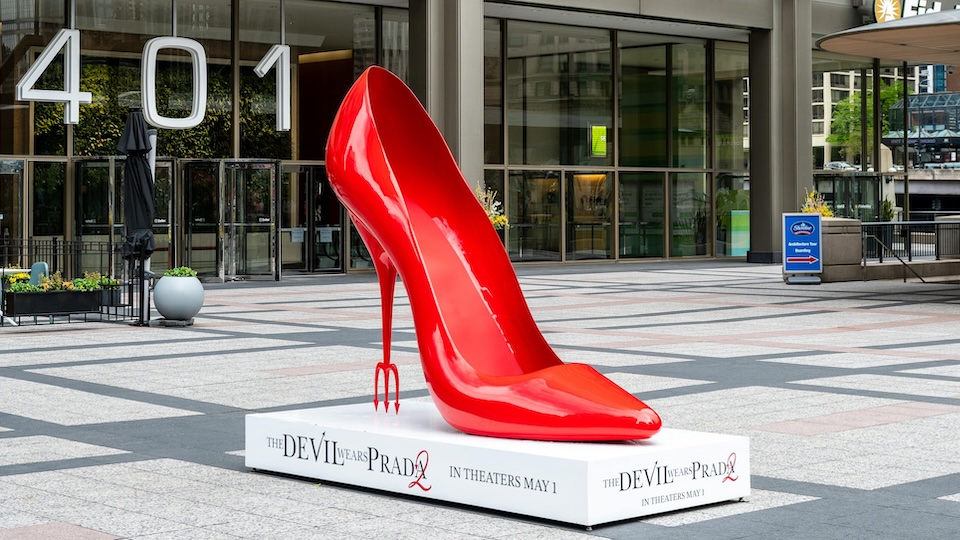
The year is 2006. LeBron wins his first playoff series and Anne Hathaway stars in The Devil Wears Prada—a case study in ambition, anxiety and fashion. Fast forward to 2026. LeBron is still winning, and Anne’s once again lighting up screens in The Devil Wears Prada 2.
In those two decades, an entire generation grew up and developed a deep attachment to the things that once made adulthood feel exciting. That’s why the sequel isn’t just performing well, it’s exploding—pulling in over $230 million globally in its opening weekend.
But that success goes far beyond the numbers, signaling something more important about the cultural moment.
Of course, nostalgia has always played a significant role in media and marketing. But today, it’s no longer just a sentimental trick. It’s become a genuine emotional lever, creating connection in deeper and meaningful ways.
In our era of algorithmic sameness, economic uncertainty, AI anxiety and endless scrolling of noise, “familiarity” isn’t a dirty word. It suddenly feels premium. People aren’t only buying products—or in the case of Prada 2, movie tickets. They’re reliving eras, recapturing special feelings and revisiting versions of themselves and the world they miss.
Culturally fluent brands understand this.
What makes Prada 2 work so beautifully isn’t that it brings back beloved characters that people fondly remember. That’s table stakes these days. Rather, it preserves the key elements people remember while evolving them to fit the context of today’s world.
The characters have the same traits and the fashion universe still feels impossibly glossy. But the storyline has shifted to match our modern media landscape and the endless hype cycle of relevance.
That means the filmmakers remembered their audience grew up along with the franchise.
And for me, that’s the magic formula. Nostalgia plus relevance. “Nowstalgia” if you will.
The smartest brands have been mastering this playbook for years. The best retro sneaker drops from Nike, Jordan and Adidas aren’t just old silhouettes brought back for a newer audience. They’re the ones that reconnect people to a specific era, aspiration or identity. The Barbie movie turned decades of childhood memories into a billion-dollar extravaganza by transforming nostalgia into something self-aware, modern and socially fluent. And even McDonald’s understands that a Happy Meal isn’t really about food. It’s about emotional bonding disguised as lunch or dinner.
For me, perhaps the most intriguing aspect of the Prada 2 experience is how brands themselves raced to join in. That wasn’t the case 20 years ago. Apparently, fashion houses kept their distance from the original film, nervous about industry backlash and the looming shadow of Anna Wintour. This time around, however, fashion labels, retailers, coffee chains and more understood this wasn’t about product placement. This was about attaching themselves to a cultural moment.
The future of marketing isn’t about constantly chasing culture. It’s about brands understanding how to remix emotional memories into something meaningful for today.
The brands winning today are making the past feel alive again.