Newsletter
 Events

A Tale of 2 C-Suite Taste Tests: McDonald's vs. Burger King
Why BK shined while McD's badly stumbled


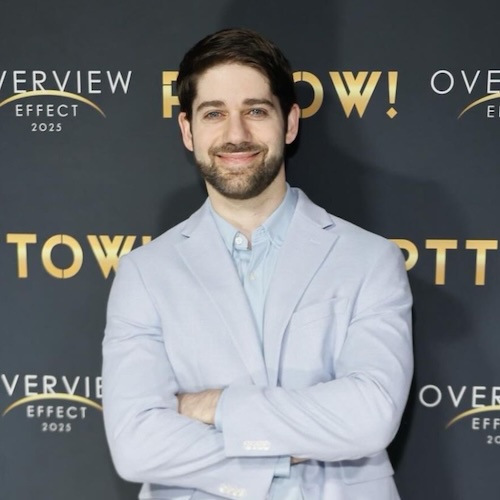
By now you’ve seen it. McDonald’s CEO Chris Kempczinski (already recovering from a viral burger bite), sat down with the Wall Street Journal to set the record straight. He bit into a McNugget on camera. The internet was not impressed.
“Damage control not working,” one commenter put it. Hard to argue.
But here’s the question that actually matters to me as a marketer: Why did they do it again?
The original burger bite moment wasn’t exactly a quiet stumble. It went viral. The reaction was immediate, measurable and overwhelmingly negative. In 2026, that kind of audience signal does not take weeks to surface. Breakthrough, brand linkage and message communication are the metrics that tell you whether a moment actually landed. In 2026 they are trackable in real time.
Which raises the real question. Did anyone look?
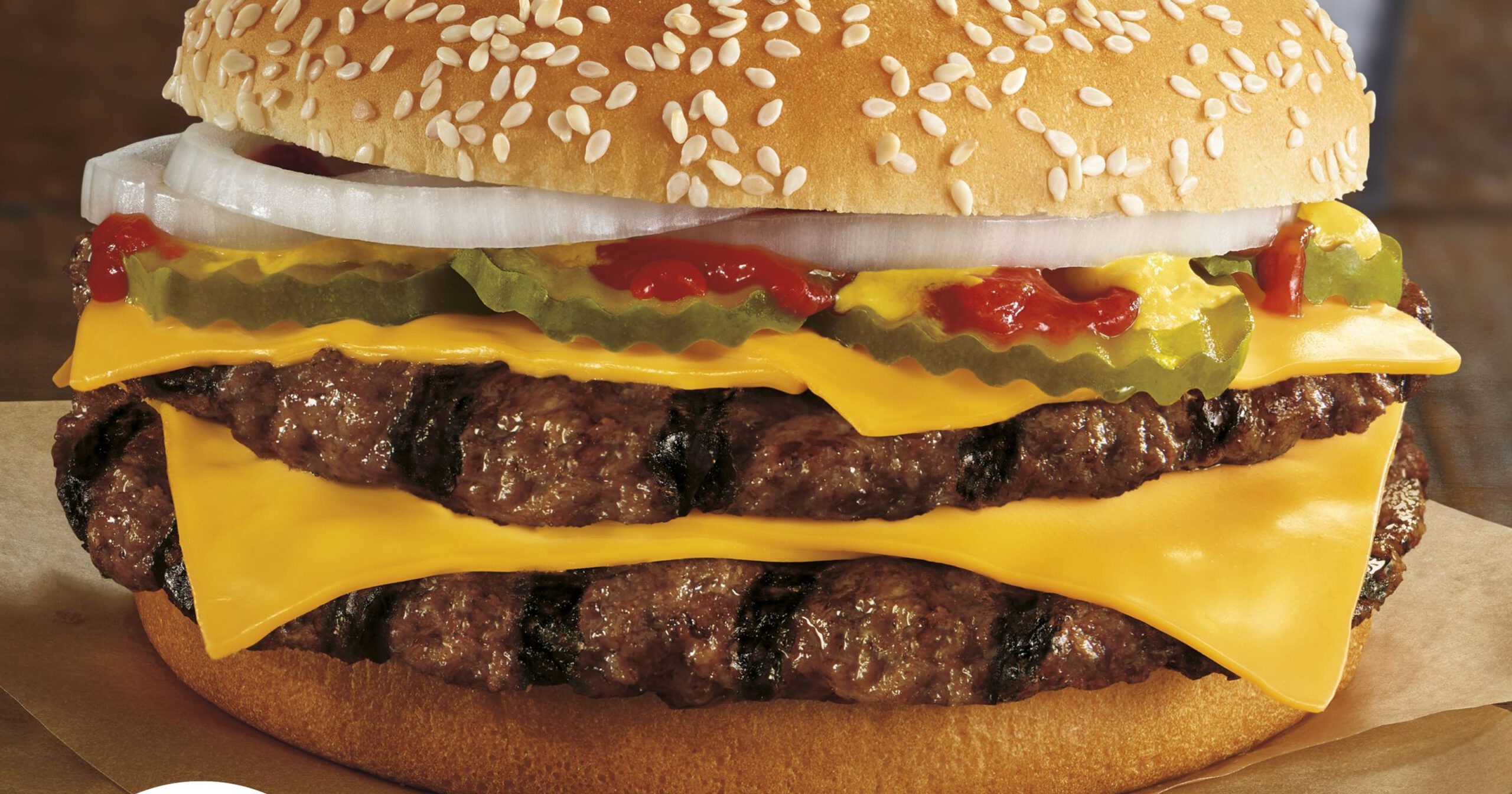
The contrast with Burger King makes the point sharply. At this year’s Oscars, BK ran an ad featuring its own president in a taste test format but it hit different—way different—and people noticed.
@fashionhousetok Burger King CEO takes a big bite of a Whopper in new video after McDonald’s CEO went viral for reluctantly nibbling the chain’s new Big Arch Burger.
♬ Blade Runner 2049 – Synthwave Goose
But here’s the deal: the BK ad was already in production as part of a longer-term brand reset. The timing with the fast food social media firestorm was partly luck. But that’s exactly the point. The ad worked because it was rooted in a coherent brand strategy, not designed to manage a crisis. It tapped into a cultural conversation that was already happening and showed up on one of the biggest stages of the year with creative that felt confident rather than defensive.
And therein lies the gap. Authenticity is not a tactic you deploy in response to a problem. Audiences can tell the difference between a brand moment that is genuine and one that is trying to fix something. We collectively have access to data which consistently confirms what most of us already know intuitively: a brand’s image suffers when a it acts out of defensiveness rather than confidence.
And no, before you ask, taste tests on camera aren’t a bad idea across the board. But it’s time we recognize that impact and measurement exist for a reason and are absolutely critical.
Before you repeat a move that already failed, look at what the data is telling you and read the room.