Newsletter
 Events

Clio Awards CEO on Celebrating the Power of Creators
They've become an industry in their own right, reshaping the marketplace


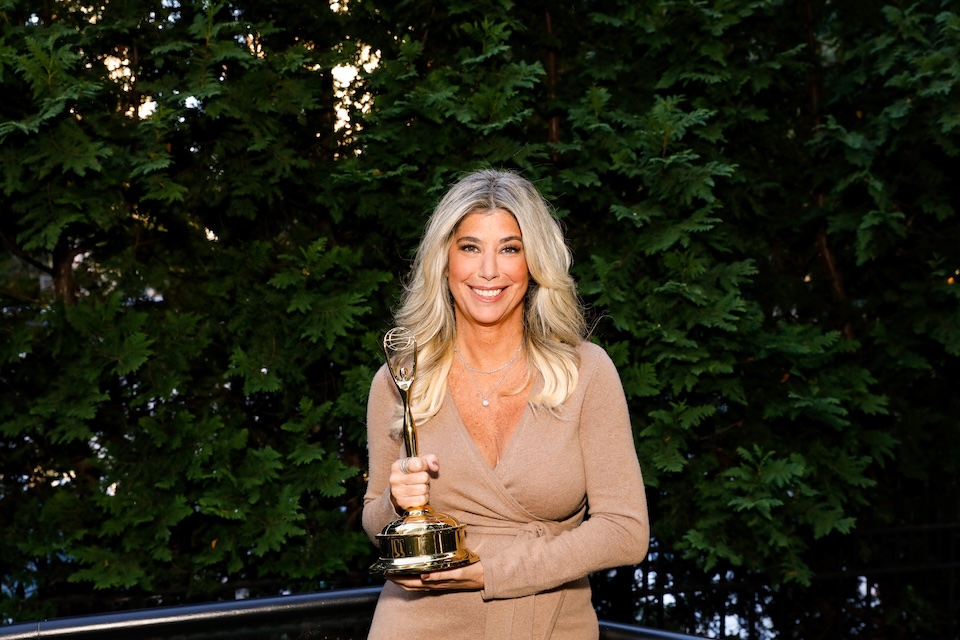
I’m excited to be launching my first column for The Muse. This is where I’ll dig into the intersection of advertising and marketing with the industries that shape culture—from fashion on the red carpet to the role of music in storytelling, to the way food, wine, and travel influence how we connect and experience brands. And, of course, we’ll talk about award shows.
The launch of Clio Creators feels like the perfect moment to start that conversation. It marks an exciting next chapter for us, but it’s also part of a much longer story about how the Clios have evolved over time.
When I first joined the Clios, it was a legacy advertising award that was well-known and respected, but not quite as culturally relevant as it once had been. I saw an opportunity not just to revive it, but to reimagine what it could become. To me, it wasn’t just an awards show—it was a brand with the potential to grow, expand and better reflect the full landscape of creativity.
It was clear that different industries were developing their own marketing languages, their own ways of working and their own definitions of what great creative looked like. If we wanted to truly celebrate that creativity, we had to meet those industries where they were.
Clio Health had just started when I took over, and then we were asked to take on the Key Art Awards, which would eventually become Clio Entertainment. At the time, the Clios was owned by the same group that owned The Hollywood Reporter. They had been running the Key Art Awards—which primarily focused on theatrical film marketing—for over 30 years and asked if I would take it over.
On the surface, it felt very similar to the original Clios, but once I got deeper into that world, I realized just how different it was. The way studios worked, how campaigns were built, even how teams collaborated didn’t mirror the traditional advertising model where one agency leads a campaign. Entertainment was fragmented to the point that campaigns were essentially “Frankensteined” together, with different partners contributing different pieces of the work.
That’s when it clicked for me: These industries may be connected, but they aren’t the same. And if you try to judge them through the exact same lens, you’re going to miss what makes them special.
So instead of forcing everything into one framework, we built a new one. We expanded beyond theatrical films to include television and gaming, brought more structure and fairness to the judging process, and eventually transitioned it into what is now Clio Entertainment. Within a few years, it became one of our largest and most successful programs. That experience shaped how I approached every vertical that followed.
When we launched sports, I spent time meeting with leagues, teams, networks and brands. I learned how they worked and what mattered to them. What I heard repeatedly was that while they respected the Clios, they wanted a platform that understood their world and they wanted to be judged by their peers.
The same thing happened with music. Someone pointed out how deeply music intersects with advertising and culture. You can see it in how artists promote themselves, how brands use music to connect with audiences and how the two worlds constantly influence each other. Once I saw it, I couldn’t unsee it. And from there, we built another vertical.
That’s often how these ideas come to life. Sometimes they come from conversations. Sometimes from patterns my team and I started to notice. And sometimes from simply paying attention to how industries were changing in real time.
To be fair, not every idea works. We’ve tested a couple of verticals that didn’t gain enough traction to stand on their own. But even those experiences were valuable because they taught us what different industries wanted.
Each vertical exists because a specific community wants to be seen, understood and judged in a way that reflects how they actually work. And just as importantly, they want a moment to come together, connect with colleagues and celebrate each other’s achievements. That’s what ultimately led to the launch of Clio Creators.
Over the past few years, the creator economy has exploded. Creators have become an industry in their own right. They’re not just collaborators—they’re businesses, storytellers and cultural drivers. They’re building their own brands, shaping conversations and, in many cases, redefining what marketing even looks like.
We recognized this early on and started to incorporate creator-driven work into our existing programs, and we saw incredible entries coming in from brands and agencies. But something was missing. The creators themselves weren’t fully engaged. They weren’t entering. They weren’t judging. That told me we hadn’t built the right platform for them … yet.
So instead of trying to fit them into an existing structure, we did what we’ve done before. We built something specifically for them.
Clio Creators is about recognizing the full ecosystem—both the creators themselves and the brands that work with them. It’s about acknowledging that the way stories are told has evolved. People driving that evolution deserve to be recognized on their own terms.
Every time we’ve expanded the Clios, it’s come down to the same instinct: paying attention to where creativity is happening and making sure the people driving it feel seen. That’s what this next chapter is about—recognizing change in real time and building something meaningful around it.
We’ll talk more about Clio Creators as the deadline for submission approaches and the jury is selected. In the meantime, I’m excited about next month’s column which will come out right after the Clio Awards. We’re celebrating many great artists, and more global brands will be on stage than ever before. Can’t wait to tell you all about it.