Newsletter
 Events

Why the Smaller Conversations Often Matter Most
Industry events offer huge stages. But insights can spring from personal interactions


As I write this, many people in our industry are preparing for the Cannes Lions Festival. Flights are booked, schedules are set, and the annual migration of advertisers, marketers, tech companies and media leaders to the South of France will soon be underway.
There is something undeniably exciting about having the entire industry gathered in one place. I’ve been attending Cannes for more than 15 years, and I’ve always valued the chance to discover new ideas, reconnect with colleagues, meet new people, and, yes, drink a little too much rosé.
But I’ve also watched it evolve from a singular event into something much larger. Today, Cannes is an entire ecosystem of panels, activations, dinners, villas, networking events, panels, beach takeovers, brand experiences and cultural moments (many that don’t include ever stepping inside the Palais or buying a ticket to the actual event). What was once primarily a gathering for creative professionals has become a destination for marketers, media companies, technology platforms, entertainers, athletes and business leaders.
Don’t get me wrong, those big moments matter. But there is such a thing as too big.
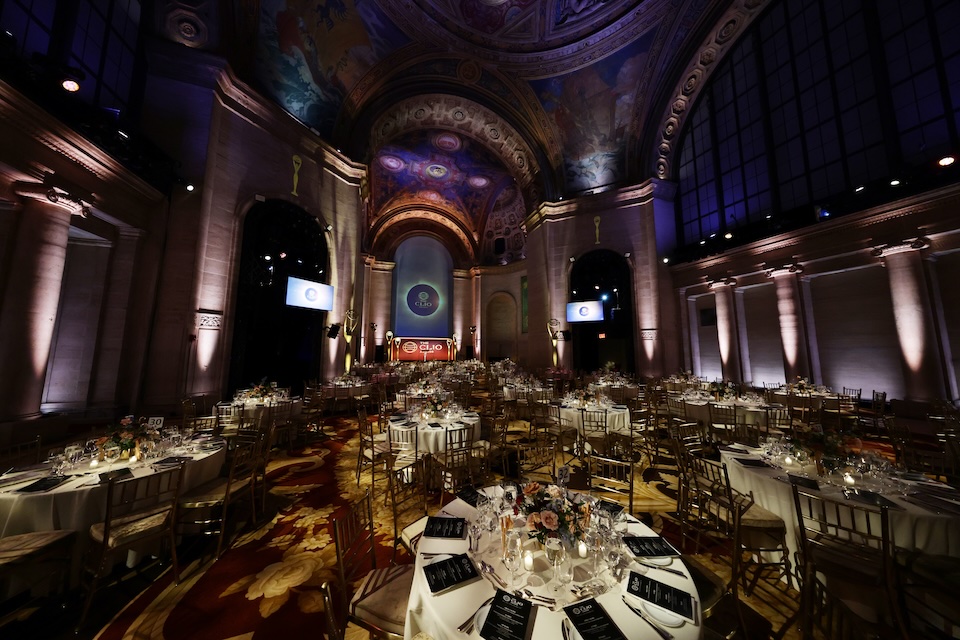
We had a big moment of our own a few weeks ago when we hosted the Clio Awards in New York City. Our flagship awards show is always an incredible evening. We honored visionaries and celebrated the best work from this past year—work that was smart, brave, and culturally resonant—and the agencies and teams that created it. And our host, Keegan-Michael Key, brought so much joy and comedic energy to the room.
But as I’ve reflected on that night over the past few weeks, I’ve found myself thinking less about what happened on stage and more about the conversations that happened around it.
One of my favorite moments from Clios week happened the night before the awards ceremony at a small salon dinner. These gatherings—which we host throughout the year—bring together a small group of smart, curious people around a dinner table for discussions on a particular aspect of our industry or culture. Mark Ronson joined us for a conversation about the music industry which covered creativity, social media, music licensing, audience engagement, and what it means to build a lasting artistic career in a world increasingly driven by immediacy.
When you’re sitting across from someone at dinner, the conversation naturally goes deeper. People aren’t rushing to their next meeting or navigating a packed event schedule. They’re present. They listen. They share ideas more openly. These are often the conversations that stay with you, and the ones that make you feel part of something larger than your own company, discipline or corner of the industry. These conversations build community.
That belief has shaped the way we’ve evolved the Clios over the years. When I joined the organization, much of our focus was concentrated around a single annual awards show. While that event remains incredibly important, I became increasingly interested in creating more targeted opportunities for connection.
That’s one of the reasons we’ve expanded into multiple verticals spanning sports, entertainment, music, health, and creators. It’s about bringing specific communities together around the subjects and industries they are most passionate about, while also creating opportunities for those communities to learn from one another.
And they give the industry reasons to celebrate the good work throughout the year. The Clios already happened, but Clio Health is coming up this month and in the fall, we will have Clio Entertainment, Clio Sports and Clio Creators. These events allow us to continually honor the industry and shape conversation, they give different industries opportunities to celebrate their winning work in person and on social, and they organically keep the Clios in the conversation all year long.
This is also why we’ve invested in thought leadership events, salon dinners and smaller gatherings that draw people from different disciplines and backgrounds. Some of the most interesting conversations I’ve had recently haven’t been between people who do the same job. They’ve been between leaders from sports and entertainment. Between marketers and creators. Between celebrities and executives from hospitality, technology, music or media.
When you put people from different disciplines in a room together, something interesting happens. They stop talking about industry trends and start talking about bigger ideas, they challenge each other’s assumptions, and they see familiar problems through different lenses. That’s often where the most valuable insights come from.
I’m not suggesting we replace our industry’s big moments. I love big moments. I also understand that one of the goals of Cannes has always been about gathering everybody in the same place to make opportunities for the small conversations with people you’ve known for decades or new colleagues. But as the festival has gotten bigger and bigger this has happened less and less.
There are too many ancillary events, too many private closed-door parties, too many celebrity appearances and too many people who come to the area to network with no intention of attending the official conference or awards show (and it’s hard to blame them given how much tickets cost now). It does not have that community we’re-all-in-this-together feel that it once did. And it doesn’t foster the conversations we need.
Cannes is our industry’s biggest festival complete with all the glitz and glam imaginable. I have enjoyed it greatly in years past, but I’ve decided not to go this year. A few members of my team are attending and I expect to hear all about it from them and other colleagues and friends. But I have to admit, I have no FOMO.
For those who are going, I hope you find a way to make space for the little conversations—the ones that don’t come with an exclusive invite list and probably won’t get any social media buzz. In my experience. These are the conversations that are far more likely to shape what comes next.