Newsletter
 Events

Nostalgia Is Dead. Long Live Nostalgia!
Everything old is new(ish) again. But the next generation needs a reason to care


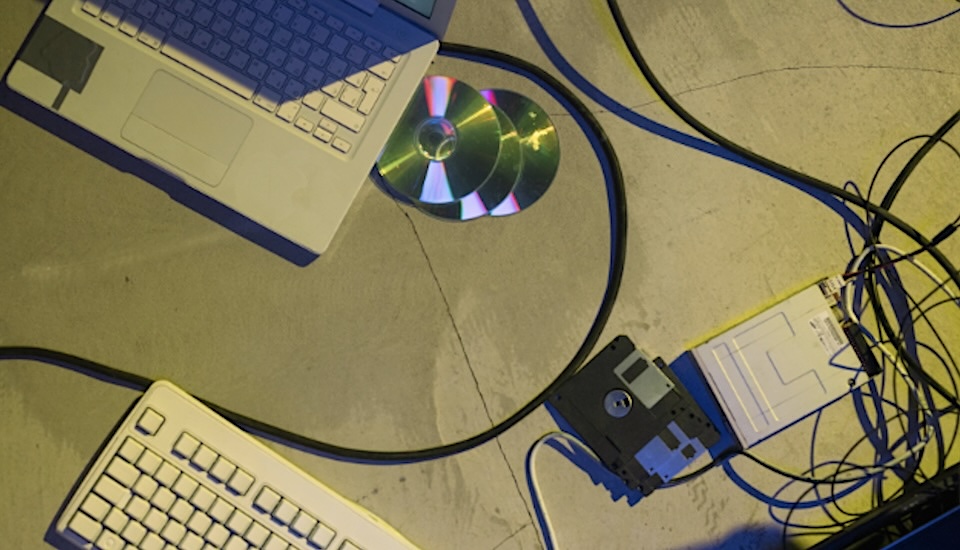
When I wrote about The Devil Wears Prada 2 in May, I called it “Nowstalgia”—nostalgia plus relevance. I keep coming back to that idea. We might be tired of talking about nostalgia in marketing, but people still care about the things they grew up with. Just because we’ve sat through too many presentations on the topic doesn’t mean they’ve stopped feeling something.
Geico’s “Hump Day” camel returned for NBC Sports. Axe revived its Y2K attitude for a newer audience. Xbox turned its original translucent green hardware into a 25th anniversary collectible, complete with a Halo remake. Hello, 2001. You can see the appeal. These are things people have history with, and that gives a brand something to work with.
But the comeback itself only gets you so far. An old logo or a familiar soundtrack might get an “I remember that.” You still have to give people a reason to care about it today.
Axe has found a good way into this. Its latest work looks back at those teenage years and admits we were all a little awkward. “We got better. So did you.” There’s an honesty to that. You can enjoy the memory without pretending you’d want to be that person again.
The same challenge applies to The Devil Wears Prada 2 and Hannah Montana. There are people who grew up with them, and people coming to them fresh. You have to give both something worth their time. A 22-year-old doesn’t automatically care because a 42-year-old remembers. We make that assumption far too often.
I’ve always believed relevance is fundamental to great creative work. You have to figure out what people are actually attached to. Is it the attitude? The humor? Who they hung out with during the original experience? Once you understand that, you can do something interesting with it for the audience you have now.
That goes well beyond the advertising. Give people ways to customize a retro product drop. Let a familiar character have an opinion about life today. Hand over part of an anniversary celebration to the fans who helped make the brand matter. There’s more creative possibility here than another hero pack shot.
As AI changes how we search, shop and make decisions, I think these connections will matter more. People are already asking AI to research products and compare options. They can form an opinion about a brand before they’ve even visited a brand’s website, walked into a store or seen anything the brand intended them to see.
That puts more pressure on the work we do everywhere else. Prices and features are easy to compare. Wanting a particular pair of sneakers since you were sixteen is a different thing altogether. Those types of feelings often shape what you ask for in the first place.
Of course, you still need a good product and an experience that delivers. Nobody is excusing terrible service because they liked your marketing in 2001. But with more of a brand’s experience becoming automated, having a place in someone’s life gives you a better chance of being sought out and standing out.
Nostalgia can help build that connection. It takes judgment, though. You have to know what’s worth keeping, what can or should change and whether newer audiences have a reason to get involved.
The familiar characters, sounds, colors and rituals give us plenty to work with. Making them matter today is the work to be done.
The best creative work tapping into nostalgia doesn’t ask people to go backward. It leverages what they remember to move them forward.
Related: Men Without Hats Celebrate ’80s Nostalgia on the ‘Totally Tubular Tour’