Newsletter
 Events

For Fanatics' Matthew Low, Live Events Provide the Ultimate Inspo
He led creative efforts for Fanatics Fest '26


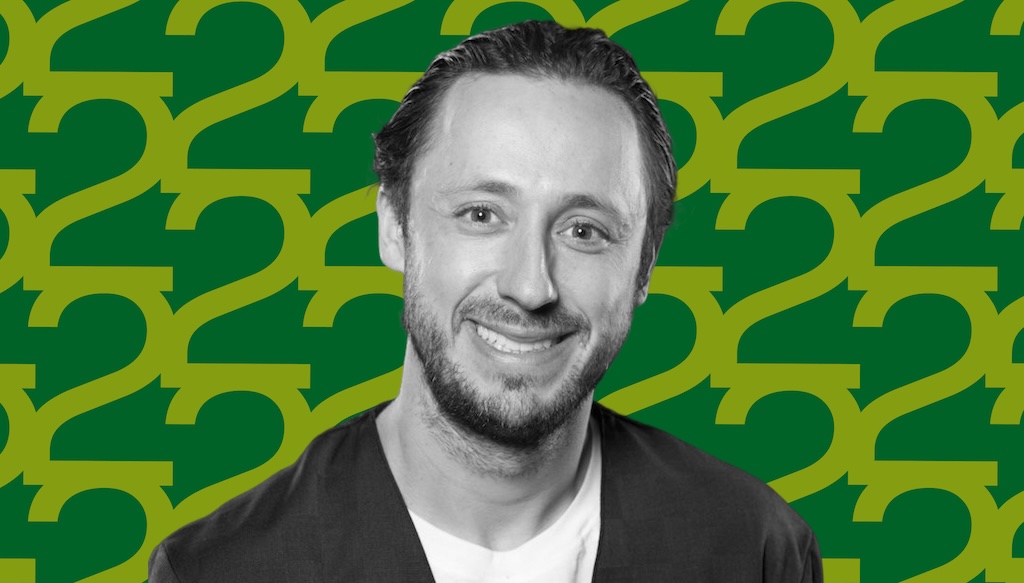
Matthew Low serves as a creative director at Fanatics. He recently led efforts for Fanatics Fest, developing the show’s look and feel and shaping its content strategy. He helped create more than 400 pieces of content that extended the event far beyond the show floor.
“We transformed more than 1 million square feet of the Javits Center into the center of the sports world for four days, bringing together 200,000 fans and more than 500 athletes and celebrities, including Tom Brady, LeBron James, Serena Williams and Justin Bieber,” he says.
Previously, he spent 11 years at BBDO, working on brands like Dunkin’, M&M’S, Pepsi and Snickers. Outside of advertising, Matt founded Bouncing Back, a podcast where he’s interviewed more than 150 people in the industry who lost their jobs during Covid-19. He has been named to Adweek’s Creative 100, Business Insider’s 50 Rising Stars of Madison Avenue and Forbes’ 30 Under 30.
We spent a few minutes with Matthew to learn more about his background, inspirations and why he believes organic social is absolutely vital for the health of brands.
What creative hill would you die on?
Organic social is the most important investment your brand can make. We are in the era of cultural advertising. And if you can’t tap into what people care about at this exact moment, your brand is going to lose. I’m a big believer that the best work doesn’t fit into old agency buckets like traditional, social or digital. Instead, it’s culturally relevant work that cuts through the noise and gets shared in group chats and DMs. Organic social is no longer just another channel. It’s the No. 1 place your fans engage with your brand. Treat it that way.
Finish this sentence: When I am in a creative rut, I _______
Turn my brain off. I’ll spend time with my wife and kids (Oliver, 3, and Dean, 1), play Padel, fly a drone or build a Lego. The best ideas usually come to me once I’ve given my brain something else to do. That’s one of the reasons I love what I do. There’s no universal playbook for coming up with ideas. Ask 10 creatives how they “concept” and each will most likely each have a different process.
Was there an “a-ha” moment in your life that made you realize what you wanted to do?
When I was 8, I’d go to Sports Authority before every season to get new cleats. At a young age, I became fascinated by how different brands could sell essentially the same product but make each one feel completely different through design, color, storytelling and athletes. I didn’t know it was called advertising yet. But I knew I wanted to be part of it.
What source of inspiration do you return to constantly?
Imposter syndrome. It constantly pushes me to stay curious, work harder and prove to myself that I’m able to come up with great ideas and tell engaging stories.
Can you name a newsletter, creator or account everyone should follow?
I’ll give you a platform that everyone should be active on: LinkedIn. Even when I’m not looking for a job, it’s my favorite place to scroll, post and see what other people are up to.
What non-advertising industry do you learn from?
Live events. Helping lead the creative for this year’s Fanatics Fest has taught me that getting someone to show up in person is the ultimate test of fandom. As AI makes our lives even more digital, real-world experiences will become more valuable to brands. Learning how to earn that kind of attention and create stories that people want to engage with has made me a better creative and storyteller.
Who changed the trajectory of your career, and what did they teach you?
Two part answer. First: David Lubars, by taking a chance on me when I was a junior copywriter at BBDO. He gave me big “at bats” to prove myself. And he taught me that the best creative leaders never stop learning from the youngest people in the room, because they often understand culture and emerging trends before the rest of us do.
Second: My parents have played a large part in shaping my career. Early on, they taught me that empathy and being a good person matters more than talent or ambition. No matter how smart you are or how hard you work, the most important part is how you treat people. Nobody wants to work with an asshole.
2 Minutes With is our regular interview series where we chat with creatives about their backgrounds, creative inspirations, work they admire and more. For more about 2 Minutes With, or to be considered for the series, please get in touch.