Newsletter
 Events

7 Brand Culture Myths the U.S. Open Just Debunked
You cannot segment your way into a community



A longstanding challenge in the industry is highlighted by the ongoing debate over content creators attending Wimbledon and the U.S. Open: brands have become very good at finding, targeting, and distributing messages to people, but less adept at understanding the cultures those people participate in, the communities through which those cultures evolve, and where their brand or product can credibly play.
ICYMI, creators and spectators attending the Open recently came under fire for interrupting matches by taking photos and making excessive noise during points. The backlash has led Wimbledon to confirm it will not offer official media accreditation to creators or influencers for its 2027 tournament.
We call everything “culture” now. Convenience isn’t culture—it’s a behavior. A trend isn’t culture—it’s a signal. Simultaneously, “community” has become one of marketing’s favorite buzzwords. Brands want to build them, partner with them, activate them and turn them into growth engines. But too often, we apply the same tried, tested and frankly tired playbook we have always applied to consumers: identify, segment, target and activate.
Yet, communities are not and have never been consumer segments.
A community is something people create for themselves around their Culture Stack: the combination of interests, identities, experiences, influences and lived culture that gives people something to connect over and exists whether your brand is there or not.
There are seven misconceptions brands need to understand.
1. Culture is not a channel
Brands have become very good at thinking of culture as somewhere to show up: sponsorship, player endorsement, creator partnership, collaboration, activation, social campaigns.
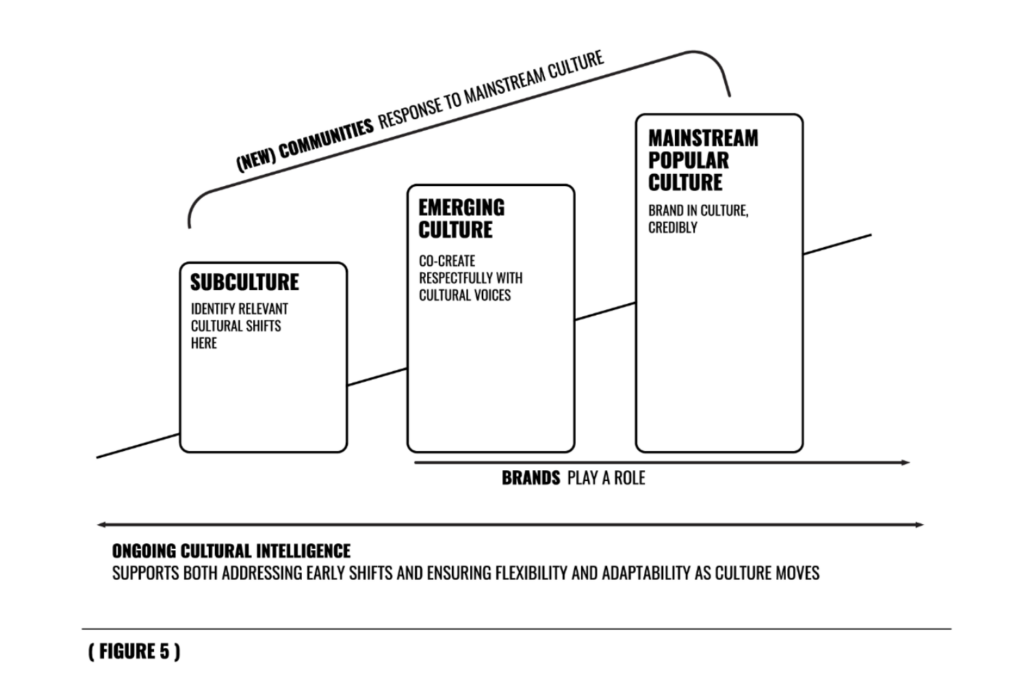
But culture isn’t a media channel waiting to be bought. It is the context in which people live, participate, create, argue, obsess and connect. It also evolves in places and spaces that big data and social listening don’t necessarily see: emerging scenes, grassroots communities, fandoms and conversations or behaviors that may not yet show up on a dashboard.
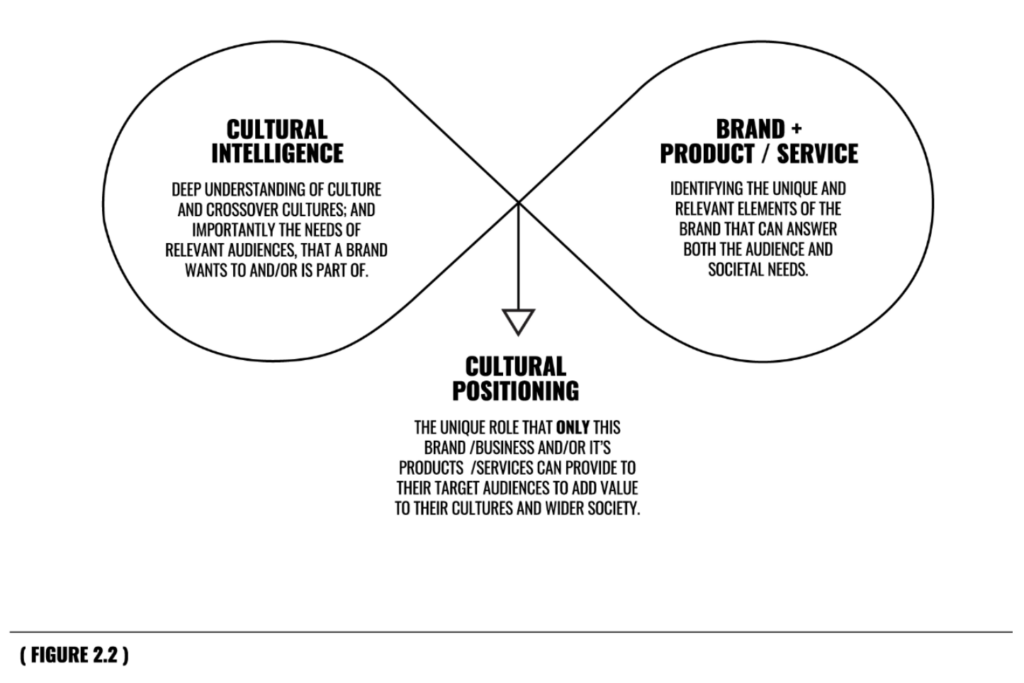
That is where Cultural Intelligence matters: understanding what is changing, who is shaping it and why it matters before deciding what to do.
2. Reach is not influence
We have become overly reliant on follower counts as a proxy for influence. Real cultural influence comes from credibility, lived experience, expertise and participation. The most valuable voice in a community may have millions of followers—or none at all. I call them cultural voices.
3. Showing up isn’t participating
For brands wanting to be part of tennis (or any) culture, buying access to a large-scale calendar event doesn’t tell you what to do once you’re there.
As a result, the playbook remains familiar and the output increasingly formulaic. That tried, tested, and tired playbook is still tired, even on center court. The question isn’t where we can place our logo. It is understanding what is happening within that culture well enough to know what only our brand can make possible. It starts with Cultural Positioning—the unique role that only your brand can play in the world.
4. Communities aren’t homogeneous
People can share a culture while having very different entry points, motivations, behaviors and relationships with it.
An audience mindset versus a demographic approach recognizes those connections rather than forcing people into neat persona boxes. It looks at cultures, interests, communities, voices, behaviors and the relationships between them.
Take London’s Arsenal FC or the New York Knicks. Their relevance doesn’t live solely in the sport or the match. It is shaped by the communities, culture, city, creators, players, fans and conversations surrounding them.
5. Culture doesn’t work to a campaign calendar
Communities don’t switch on when a campaign launches, and culture doesn’t disappear when the media budget runs out. Yet today’s marketing is still largely organized around campaign windows: brief, create, buy, optimize and move on.
A Cultural Pipeline gives brands a way to understand when to listen, participate, create or step back as culture evolves. Because the commercial prize is the relevance that compounds.
When people talk about, share, buy, recommend, advocate for, and choose a brand outside of a paid campaign—that’s true growth.
6. Failing to add value means you’re just extracting
A campaign brief, content deliverables, and media objectives don’t automatically constitute participation. Sometimes, they are simply extraction.
The stronger question is: what can the brand contribute? It’s about creating better conditions for the culture to thrive—through investment, access, platform, opportunity, product innovation and amplification.
The shift is from extracting from culture to adding value to it.
7. The organization has to change too
Culture is evolving in places and spaces big data and social listening don’t see, so simply changing external marketing work isn’t enough.
You cannot build a culturally agile brand within an organization that only trusts what can already be measured.
That means integrating Cultural Intelligence upstream, bringing cultural voices into decision-making earlier, and challenging the Corporate Algorithm: the inherited processes, structures and behaviors that reward predictability and familiarity precisely when brands need to be more curious about what is emerging.
Communities don’t need brands to arrive and tell them what to do. They are already creating culture. And ultimately, the opportunity is bigger still: not simply to build brands that stay relevant to culture, but organizations capable of staying relevant as culture inevitably changes.
Related: How Ross Pomerantz Built His ‘Corporate Bro’ Brand Into a Workplace Comedy Destination