Newsletter
 Events


The Future of Creativity Is Being Written in Lines of Code
Though in its infancy, the advantages are hard to deny


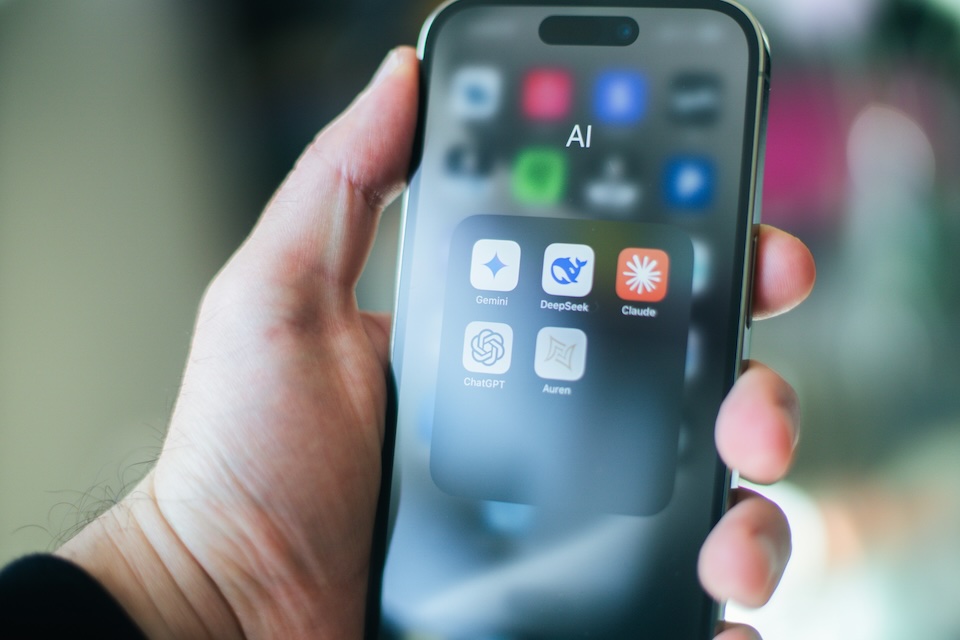
There is a popular philosophical debate that questions whether true creativity requires consciousness. Philosophers like John Searle have long argued that machines cannot have subjective experiences or qualia—therefore, they cannot truly understand or create in the same way humans do.
Other philosophers take a functionalist approach and dismiss the importance of consciousness altogether. The debate remains to this day, but many believe the future of creativity could hinge on how sophisticated technology becomes.
How AI has influenced different creative fields
Simple programs that could interact with humans were first presented to the public in the 1960s. A good example of this is ELIZA, which copied the style of a therapist and responded to typed questions.
Many other tools have appeared since then, including some popular options like:
- Claude AI: known for long and detailed text responses.
- DALL·E: can generate images from text.
- Sora AI: used to create realistic video clips from short prompts.
- Stable Diffusion: to create high-quality images.
- Runway: makes video production easy with AI-powered edits and scene generation.
- Adobe Firefly: for designers to adjust images and layouts with short commands.
Advantages of AI for creative professionals
AI tools have had a significant impact on many creative fields, with numerous advantages, including improved output and time savings. Let’s explore more about how creatives can benefit from AI tools today.
Saves time. One of the biggest advantages for professionals is the ability to complete tasks faster. Designers can now produce high-quality content more quickly than before. This allows them to earn more because they can simply focus on big ideas while AI handles repetitive tasks.
Lower barrier to entry. More newbies can now express their creativity without years of technical training to create art or videos. They can simply use these AI tools with a lower learning curve to bring their visions to life.
Improved output. AI-powered algorithms let creative professionals experiment more freely and test hundreds of variations quickly. A designer for a game or online casino NZ platform can use these smart systems to develop numerous different visuals and personalized interfaces for users in a matter of minutes. These same algorithms are often utilized to tailor-make user’s homescreens on streaming services like Netflix and Amazon Prime, showing personalized dashboards based on previously watched shows and movies.
Increased collaboration. The idea that humans can continuously work with machines to produce new forms of art feels like a dream come true. The mix of human emotion and computational power can create styles and techniques that neither could achieve on its own.
Criticism of AI in the creative field
Many people still criticize the use of AI to develop creative work, and one of the main reasons for this is that AI lacks genuine emotional and cultural depth. For example, in the creative writing industry, many online platforms use AI to draft articles, but these write-ups have a familiar rhythm and tone that can seem robotic—and are usually easy to spot.
Another reason for the criticism is that original human creativity might lose its value. Many believe that truly unique human-made work could get buried or underappreciated as AI-generated content floods the market. This can lead to job losses for many creative professionals who already worry that AI will replace their roles.
In May 2023, the Writers Guild of America went on strike over pay and fears about the replacement of writing jobs with AI. In July of the same year, SAG-AFTRA, the union for US actors, went on strike for 118 days because members wanted stronger protections against studios using AI to copy or replace actors. Questions about who owns AI-generated content remain unclear, which can lead to disputes between programmers and the AI companies.
What does the future of creativity look like?
Genuine innovation and the power of personal experience cannot be created by machines. Empathy is a core element of emotional intelligence, and it forms the foundation of human creativity. It helps creators build meaningful connections with their audience and writers to develop characters that show the full range of human emotions. Directors who help actors convey genuine emotions also rely on this ability.
There is no denying that AI is a valuable tool for the creative industry. It is fantastic for people who want to automate repetitive tasks or generate fresh ideas. But the human element remains essential to push creativity forward. So the future of creativity still depends on humans and how they are able to turn algorithms into brushstrokes.
The technology is still in its infancy, and we can’t wait to see how much better it gets.