Newsletter
 Events

Omnicom Ushers In a New Era for Brands and Talent
Clarity's coming for an industry in flux. Here's a survival guide


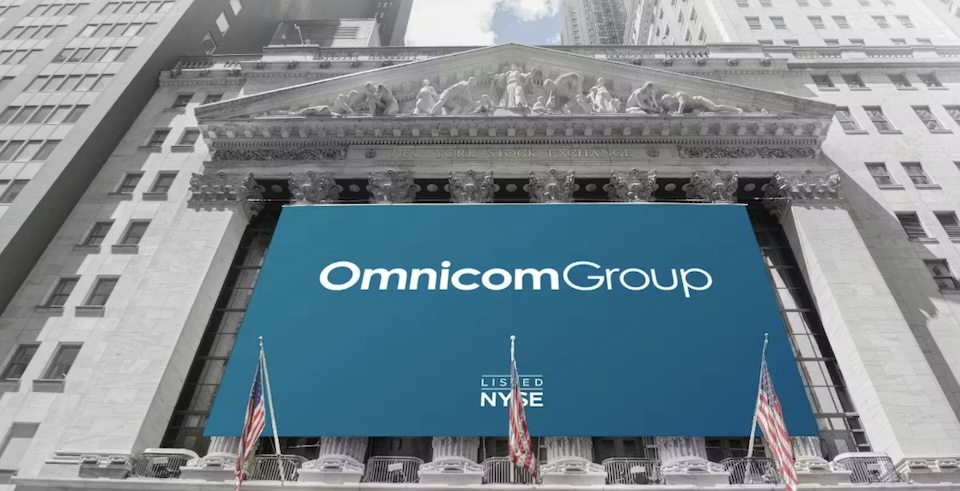
The fall-out from the Omnicom/IPG merger this week sent shockwaves across all corners of the industry. My LinkedIn feeds and WhatsApp chats have been filled with questions on our industry’s future and how we can all support those who were affected by layoffs, especially during the holiday season.
This is a reminder of how often our industry runs on default settings. For years, brands and talent have relied on familiar choices because they felt safe. And for some, safety is paramount. But if 2025 taught us anything, it’s that the landscape is changing fast. What made sense even a year ago looks different today—and this merger is a prompt to ask whether our old instincts still serve us.
For Brands: Break out of the familiar playbook
If there’s a single message for brands right now, it’s this: Take a hard look at the partners you want to engage moving forward. Many marketers have a built-in “speed dial” of holding-company agencies they’ve used for years. And holding companies come with scale and brand consistency. But the merger is a good moment to question whether those checkboxes were built for a different era—one with longer timelines, less cultural volatility and fewer alternatives.
This is where independent agencies can play a meaningful role. They aren’t bound to legacy systems or a single house style, but build teams around the work rather than forcing the work into a preset structure. They tap unexpected collaborators and create cultures that reward experimentation instead of repetition. If you’re looking for new thinking, new energy, and a model that isn’t rinse-and-repeat, this is the time to give indies space on your roster.
Practical tips for brands:
- Reevaluate your partner mix. Look at who is truly evolving with you vs. who is relying on what worked ten years ago.
- Add independent partners. Use them for briefs that need speed, originality, or a different way of working.
- Ask better questions. How will your partners maintain clarity, creativity and focus while the industry consolidates around them?
For Talent: a Hard Moment Can Become a Clarifying Moment
On the talent side, there’s no way to sugarcoat it. Being caught in a consolidation or layoff is painful. I’ve been through it, and it was one of the toughest moments of my career. There’s a real period of grieving—not just for the job, but for the work you put in and the friendships you made along the way.
But there’s also a quiet silver lining. These moments force you to step back and take stock of what you want your next chapter to look like. They push you to reexamine what you value, what kind of work gives you energy and what environments let you shape great ideas.
Practical guidance for talent:
- Give yourself the space to reset. Feel all of the emotions and lean into your network. It’s all part of the process.
- Use the pause as a clarity check. What kind of work do you want to make? What kind of people do you want around you?
- Look for places where you can have real influence. Independent environments often give talent more ownership, more creative say and more room to grow.
Breaking the default on both sides
Whether you’re a brand leader or part of the advertising talent crew, this merger exposes how easy it is to develop habits that no longer serve you. I’ve worked inside both large networks and small independents. And I’ve seen how those habits shape decisions more than we admit.
If there’s an opportunity hiding in all of this, it’s that we can make 2026 a year driven by intention instead of inertia. Brands can choose partners because they’re right for the work, not because they’re the familiar choice. Talent can choose environments that support their craft, not just their résumé.
The default setting has carried our industry a long time. But this moment is telling us it’s time to break it and build something better.