Newsletter
 Events
What AI Can and Can't Do for World Cup and Olympic Marketers
Leverage tech while maintaining emotional connections


This year has all the regularly scheduled major sporting event benchmarks—the NCAA tournament, NBA and WNBA finals, the World Series and so on—that marketers are used to tapping into. But what makes 2026 truly special is the addition of the Winter Olympics and the World Cup.
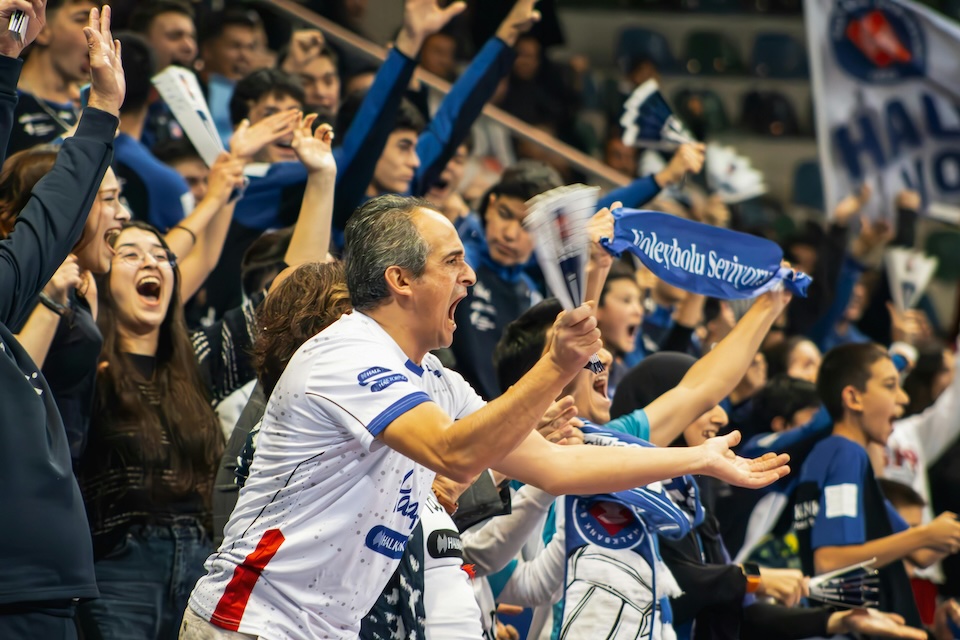
Sports are perhaps the greatest form of escapism for fans—accessible to all in a way that travel isn’t. For however long a game lasts, people can immerse themselves in the event, forget about their lives and the world around them. But the World Cup and the Olympic Games have a distinct energy—one of unity and connection for fans. Fans across the globe come together to cheer on their nation and/or home country, creating an opportunity for human connection at a scale that almost no other event can offer.
This emotional connection fans build with athletes during these competitions is what keeps them engaged, not necessarily the scoreboard (which can disappoint).
Marketers need to tap into that and this year, and they have more tools at their disposal than ever before. AI has accelerated how quickly brands work, helping provide the content fans crave. However, there is always a potential drawback: How do you keep the emotional connection you’re trying to build while leveraging AI?
Let’s look at the 2024 Summer Olympics. The breakaway star wasn’t anyone from the Men’s Gold Medal-winning basketball team full of NBA superstars. It was Ilona Maher of the U.S. Women’s Rugby team. But the squad only placed 3rd, earning the bronze medal. A remarkable achievement, but the connection felt stronger than with gold medal winners.
Why? Her social content.
Her videos showed gear hauls, sneak peeks into the Olympic Village lodging and Ilona hanging out with teammates and going to other events at the Games. She was authentically herself online and connected with fans outside of her medal-winning performance. Fans crave closeness and familiarity with their favorite athletes. The World Cup and Olympic Games offer that more than any other event.
Brands cannot just jump into these events, look to partner with a popular athlete and start working on content. That would be a knee-jerk reaction. And with the power of AI, it would be easier than ever to execute quickly, but also easier than ever to get it wrong.
It isn’t about pumping out AI generated TikTok videos for your brand partnership. It isn’t about the quickly generated AI social post and caption powered by ChatGPT. It is about using AI to quickly identify what makes sense for your brand.
During the Paris Summer Games, the standout winner was Maybelline and their partnership with Ilona. Her trademark red lipstick became a symbol for everything she stood for: a body positivity champion, through and through. The brand didn’t try to force a partnership, didn’t try to filter any of her content. They simply provided fans with a deeper look into her getting ready routine for games.
Still, as fast as Maybelline worked, it took this partnership weeks to materialize. Now, brands can analyze massive amounts of data faster than ever before to see which athlete could be resonating with their consumers the most.
Imagine all the content that could’ve been created if this perfect pair was discovered after game 1. Fans would’ve loved it, the connection between fan, brand and athlete would’ve been even stronger and the post-Olympic Games campaign would’ve been even more successful.
The goal must be smarter partnerships between brands and athletes, smarter posts giving deeper dives into what is resonating already with an athlete’s audience. Brands have the chance to pinpoint natural connection between themselves and athletes, predict and plan for major moments of connection with fans.
For brands to be successful, they need to understand the moment doesn’t belong to them, it belongs to the fans and athletes. The big winners this year will be the brands that use AI as an accelerant to get fans the connection they crave.
Afterall, when all eyes are on these massive cultural moments that are the Olympics or the World Cup brands have two options. They can interrupt the moment or they can elevate.