Newsletter
 Events

To Score a Doc Exploring Wire Car Racing, Pressure Cooker Studios Built Instruments From Scrap
Humans aren’t perfect. Some film scores shouldn’t be, either


As a composer, I don’t think in terms of good or bad sound. It’s more about how emotive something is, and whether it feels right for the project. A recent example is The Philipstown WireCar Grand Prix documentary, which tells the story of the world’s only wire car grand prix.
During the annual event, children race homemade vehicles built from scrap metal for 3 kilometers through the dusty streets of this remote Karoo town in South Africa’s Northern Cape. When they race, the kids don’t see themselves pushing mere cars made out of wire; they imagine themselves as real drivers behind the wheel of real cars.
To capture the world as the children see it, director Paul Ward combined GPS race tracking with a digital twin of Philipstown to recreate every moment of the race in CGI. Formula 1’s official commentator, Alex Jacques, called the action as if it were a professional grand prix.
So, we needed a soundscape that lived in both worlds, one that reflected the texture of the town and the race, but also worked with the CGI imagery that illustrated the children’s dreams. That fitted perfectly into our ongoing exploration of “future cinematic sound,” blending African musicality into contemporary cinematic scoring to create something that feels both rooted and new.
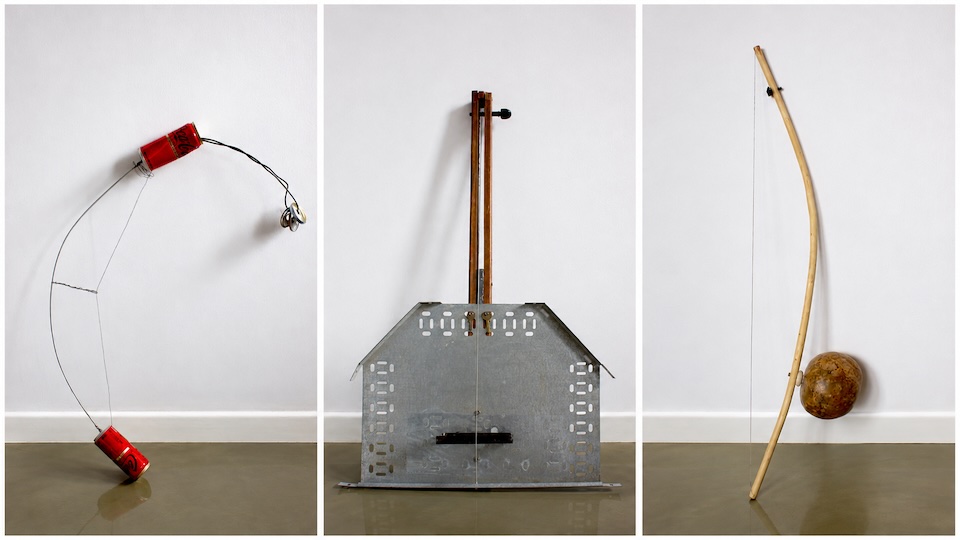
When Giant Films and Accenture Song approached us to score the documentary, we started by listening to the unique sounds and rhythms these cars make as they race. Inspired by Philipstown and its handmade wire cars, we then built our own instruments from wire, scrap metal and found materials.
These included a traditional San musical bow recreated from tin cans and wire, as well as an instrument made by stretching wire across a massive sheet of metal, which we played with a bow.
The sound of these bespoke instruments was deliberately raw. They’re imperfect and unpredictable, just like the cars, and just like us.
But one element was missing. The score needed a human engine, and there’s nothing that connects you to that sense of humanity better than a voice.
We found ours in Muneyi, who comes from a small village called Tshilapfene. We had other options, but when he spoke about Philipstown, it was like he was speaking about home. That comes through in his lyrics and performances. His voice grounded everything and tied it together.
As humans, our flaws and imperfections are what make us interesting and unique. We tried to keep that in mind while scoring The Philipstown WireCar Grand Prix.
We have access to almost any instrument within our software, all perfectly recorded. So we could have used cleaner sounds.
But I’m glad we didn’t.
By building and recording our own instruments, with their built-in buzz and unusual resonances, we created a sonic world that feels specific to this documentary. As soon as you hear this score, you know it’s The Philipstown WireCar Grand Prix.
Now streaming on Prime Video, the doc won the documentary storytelling category at the Webby Awards, as well as a Tribeca X Impact award and more than 20 other prizes.
Listen to the soundtrack on Spotify.