Newsletter
 Events

How Brands Can Forge Post-World Cup Strategies
5 lessons for turning a moment of global attention into lasting fan participation and community value


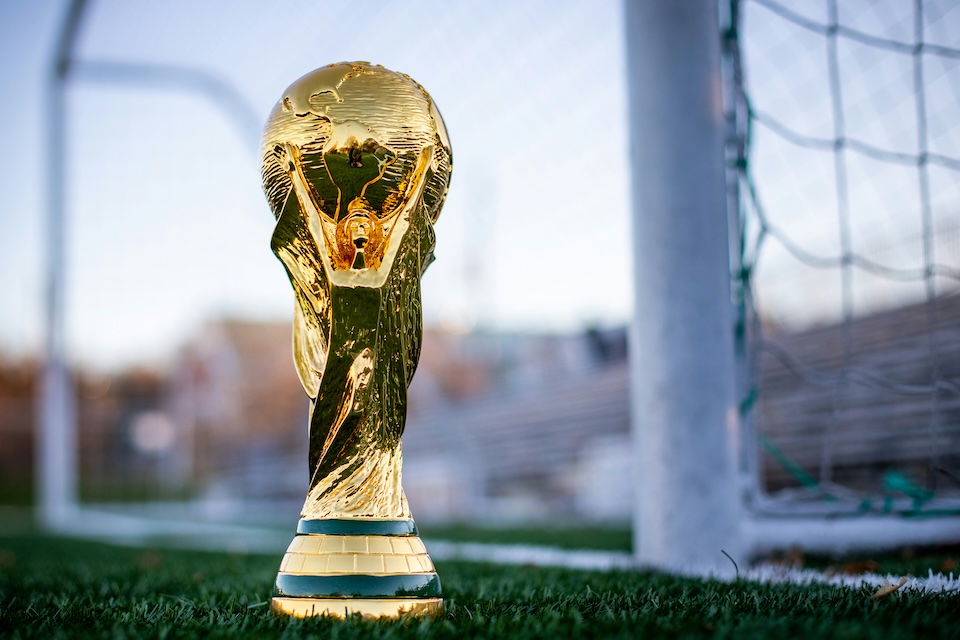
The final whistle has blown, the crowds have gone home, the branded installations are coming down. For marketers, however, the most important part of the World Cup may be starting now.
I spent the tournament reporting on its economic and community impact across Los Angeles while also helping produce six weeks of World Cup programming for the City of Santa Monica. From stadium transportation and neighborhood watch parties to wellness activations and open-streets festivals, one distinction became clear: exposure may make a brand visible, but participation makes it memorable.
The World Cup is over. Here are five questions every brand involved in global sports should be asking next.
1. Did we create participation, or merely visibility?
Visa’s chief marketing officer Frank Cooper III told me that sponsorship is most powerful when it creates “participation, not just visibility.”
That should become the new standard. A logo tells people who paid for an event, an experience demonstrates what the brand contributed.
U.S. Soccer House, presented by Bank of America, offered a strong example. The free Venice Beach destination combined match screenings, athlete appearances, live programming and partner activations, giving supporters a place to experience the tournament beyond the stadium.
Brands should now evaluate more than impressions. How many people actively participated? Did the experience deepen their relationship with the sport? Did it reach fans who could not afford a match ticket?
2. Did we solve a real fan problem?
One of the tournament’s most effective activations was transportation. LA Metro created customized buses and an enhanced service connecting 15 transit and parking hubs with the stadium. Across eight Los Angeles matches, the system provided 212,865 direct rides, with no public-safety incidents.
Metro did not simply advertise around the World Cup. It solved one of the fan experience’s greatest friction points: getting there. Transportation, payment, recovery, accessibility and navigation may not resemble conventional advertising. But solving a genuine problem creates far greater affinity than another branded backdrop.
3. Did the investment reach beyond the venue?
In Santa Monica, a Michelob ULTRA activation on the Santa Monica Pier became the opening chapter of something much larger: six weeks of community programming that carried World Cup energy through DTSM, public parks and local businesses before culminating in COAST, a free, mile-long open-streets festival featuring more than 80 vendors and activations made possible through Metro in partnership with City of Santa Monica.
I helped produce that six-week series through Revel Republic and saw firsthand how a global sporting moment could become a sustained local platform—connecting soccer with music, wellness, culture, small businesses and public space. COAST brought together Metro-supported mobility, Red Bull entertainment (HQ in Santa Monica), Therabody & AI Wellness programming, live match viewing and neighborhood participation.
The progression mattered. Rather than treating one branded event as the finish line, Santa Monica used it as a starting point for continued engagement. That is the opportunity brands often miss: a major activation can capture attention, but a connected series of experiences can build familiarity, trust and momentum.
Los Angeles’ World Cup footprint included more than 300 community activations, extending the tournament into parks, beaches, restaurants and neighborhood business districts.
Airbnb data offered another view of that distributed impact. Searches for Los Angeles stays increased 63 percent in the week before the quarterfinal, while a Deloitte analysis estimated that Airbnb guests would contribute $96 million directly to the Los Angeles economy and generate $183 million in regional economic impact.
Fans experience Los Angeles through its neighborhoods. The strongest partnerships should direct visitors toward local restaurants, independent businesses and cultural organizations, not just the stadium district.
4. Did we build the right partnerships early enough?
Kathryn Schloessman, president and CEO of the Los Angeles Sports & Entertainment Commission, identified Metro, L.A. Tourism, Amgen, Archer and Kaiser Permanente among the partners that helped extend the tournament into the community. “Everyone wanted it here, but if you don’t have funding, it won’t happen,” she told me.
Public-private partnerships cannot be assembled as an afterthought. Government brings infrastructure and public access. Community organizations bring trust. Local businesses bring neighborhood knowledge. Brands bring resources, reach and creative execution.
Paul Krekorian, executive director of Los Angeles’ Office of Major Events, described what that coordination produced: “We learned how to work together across departments and jurisdictions to anticipate potential problems, respond resiliently and implement plans efficiently.”
For brands, the lesson is clear: enter early enough to help build the experience, not merely place a logo on it after the consequential decisions have been made.
5. Are we measuring attention, or civic joy?
Los Angeles’ Kick It in the Park program brought approximately 40,000 people to more than 100 free events. But attendance was only one measure of its impact.
Amanda Daflos, Los Angeles deputy mayor of strategic partnerships, describes another form of return as “civic joy.”
Post-event surveys found that 96 percent of participants felt the city cared more about their community, 93 percent reported greater civic pride and 87 percent said they were more likely to return to their neighborhood parks. Traditional measurements tell us how many people saw an activation. Civic joy tells us whether an experience made people feel seen, connected and proud of where they live.
That should become part of the new sponsorship ROI. Did people leave feeling better about the event, their community and the partners that made it possible? Did the activation create a reason to return?
The brands that win after the World Cup will continue investing in the audiences they activated—through youth programming, local partnerships, small-business development and accessible places to play and gather.
The tournament generated the attention. What brands do next will determine whether that attention becomes trust.
With the 2028 Olympic and Paralympic Games approaching, Los Angeles does not need more temporary visibility. It needs partners willing to build access, strengthen communities and leave behind something people can still use after the world moves on.
The World Cup may be over, but the opportunity to create its real legacy is not.
Related: The World Cup Is Over. What Happens to the FIFA Gaming Couch Now?

Michelle Edgar is a strategist, entrepreneur, civic leader and journalist. Through Edgar Talent Agency, she advises corporations, sports organizations, civic institutions, and cultural leaders on communications, partnerships, audience engagement and experiential strategy.