Newsletter
 Events

Director Henry DaCosta Inspires Americans to Volunteer and Help Immigrants Become Citizens
‘Earned It’ packs a powerful, timely punch


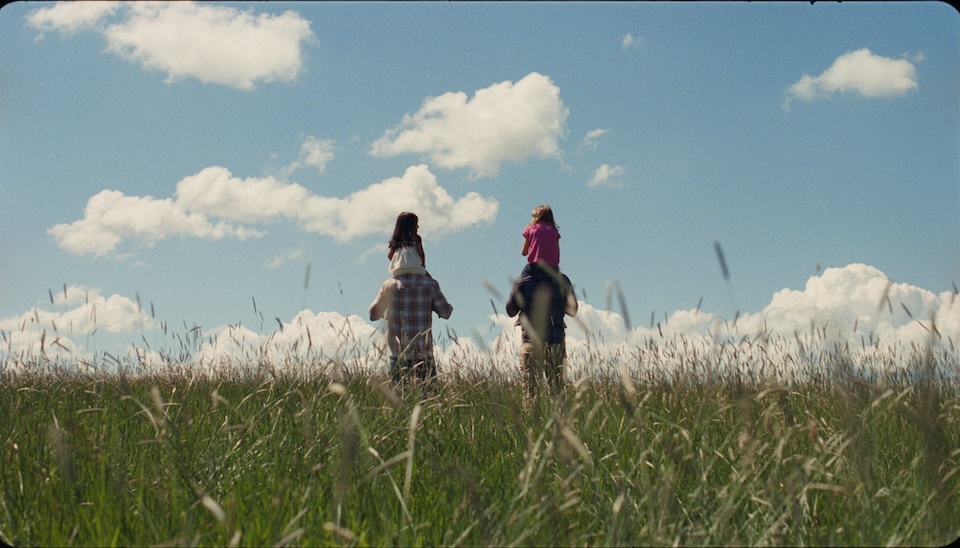
This year, I turned the same age my father was when he immigrated to America. In a way, this project found me at the perfect moment. I’d already been thinking about what it must have felt like for him to move across the world, into an unfamiliar culture, to a place where he didn’t know anyone.
The goal of “Earned It”—for the Citizen Guide initiative from nonprofit Welcome.US—wasn’t to make a film for immigrants themselves. It was to inspire Americans to volunteer and help someone through the final steps of their own U.S. citizenship journey. In many ways, the film asks people to step into the headspace I’d already found myself in this year, to imagine what it feels like to arrive in a new country without a community, and to recognize how much one person can change another’s life.
I like to set a few creative “anchors” at the start of every project, to keep the film on course as it comes to life. Our first anchor was to shoot somewhere outside a major production hub.
From the start, we knew the location needed to feel like a character in the story. Something distinctly American, without tipping into the obvious or commercial. Working with the producers at Strike Anywhere, we found that balance in Bozeman, Montana: the landscape and sense of place we wanted, paired with a terrific local crew and talent base.
Our second anchor was shooting on film. Admittedly, not the easiest choice, especially paired with rule No. 1. Shooting outside a major hub meant no easy way to get more film if we ran short. But for all of us, the risk felt worth it.
Working with our DP, Gabriel Connelly, we wanted to shed some of the subconscious cues of a traditional commercial in favor of something more narrative. Something character-led rather than style-heavy, with the friendship between our two leads as the heart of the story. That’s why we chose 35mm. For the flashbacks, we pushed the film two stops in development, pulling out more texture and grain to give those memories a dreamlike, nostalgic quality.
The idea of cutting between past and present came from the incredible creative team at Welcome.US. I wanted to push that structure further by loosening the script and letting the edit drift more freely through the characters’ memories. Helping the world feel fuller by including the small, seemingly insignificant life moments between the main scenes that make a world feel real.
Shooting on film also let us build some of those memory transitions in camera. We used a time-shift box for streaking effects and a manual control box for a hand-crank camera feel. It was a way to introduce style without losing the organic quality of the footage. Because the effects were created in camera rather than added digitally, they felt tactile and connected to the world of the story.
The last piece that tied everything together was the music, often the hardest part of any commercial, and this one was especially tricky. A purely upbeat track would have made the journey feel too easy, falling into the familiar commercial cliché where life is simpler than it really is. But we also didn’t want anything too somber, or anything that framed immigration as evil.
Emile Mosseri and Julianna Barwick’s music gave us exactly what we’d been looking for. The best way I can describe it is that the track carries an emotional weight that makes the journey feel earned.
There’s struggle in it, but also warmth, hope—and eventually, release.

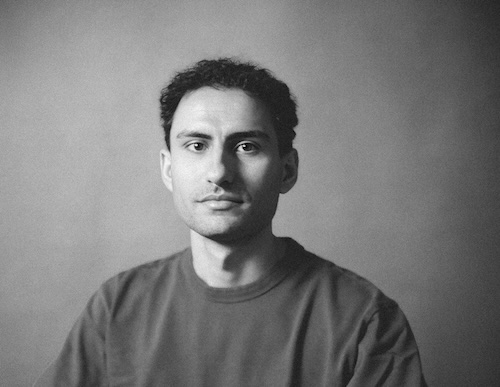
Henry DaCosta is a director whose work spans grounded filmmaking, animation and complex VFX projects. He’s a self-taught VFX artist with a background in cinematography and has been recognized at the Clios, Cannes Lions and ADC Awards