Newsletter
 Events
Ad Folks, Stop Waiting for a Publisher's Blessing. Write Your Damn Book!
Hybrid publishing can offer the best of both worlds



Where would the business of advertising be today without the books of David Ogilvy? It’s a bit like asking where rock n’ roll would be without the music of Chuck Berry. Maybe it would still exist, but it would look a whole lot different. And probably not for the better.
Yet if Ogilvy were working today, he would probably struggle to get a meeting at a traditional publishing house. And if he could somehow secure a book contract, he would have to make do with a pitiable advance and little to no promotional support.
In the half century since Ogilvy wrote his bestsellers, the traditional book publishing companies have fallen prey to the same pressures that have gutted newspapers and magazines: audience fragmentation, algorithmic distribution and the rise of creator-led platforms. To keep the lights on, these publishers now spend most of their money on huge advances for celebrities and promoting their back catalog. New authors can still get a shot, but usually not without a couple million followers on TikTok. If you really want to feel depressed, take a moment to imagine the dance challenge Ogivly would have dreamed up to promote Confessions of an Advertising Man.
It’s enough to make an advertising executive try to forget they have a book in them just burning to get out. But as anyone who’s spent enough time around adland knows, that’s not so easily done. Part of becoming a true ad professional is immersing oneself in the so-called Bibles of the biz, like Ogilvy’s books, Hey, Whipple, Squeeze This, Building a Storybrand and so many others. After consuming all that wisdom, it’s only natural to want to “contribute your verse,” as Walt Whitman (and, in turn, Apple) would say. In fact, it’s vital for the business to evolve. Generational knowledge will not be handed down via Instagram reels.
But here’s the good news: The collapse of traditional publishing doesn’t mean your book can’t see the light of day. In fact, there are more pathways to publication now than ever before—paths that don’t require navigating the increasingly impenetrable gates of legacy publishing houses.
Enter hybrid publishers. These companies offer a blend of the DIY model with some perks and services of traditional publishing, like editorial support, professional design and distribution channels. Hybrid publishing operates on a more entrepreneurial scale: While authors contribute to the upfront costs, they also retain more creative control and earn a higher percentage of royalties. It’s a model that aligns with the mindset of modern advertising professionals, who already know the value of ownership, brand building and audience engagement.
Hybrid publishers like Scribe Media, Greenleaf Book Group and She Writes Press are becoming increasingly popular among thought leaders, business executives and industry experts who want to get their message out without waiting for a gatekeeper’s approval. With a hybrid publisher, you can have the same professional presentation of your ideas—without sacrificing your timeline, voice or revenue.
In its best moments, the ad industry thrives on innovation, disruption and big, new ideas. But in my work as a ghostwriter and consultant with ad execs, I see far too many continue to fetishize the old way of doing things. They cling to the idea that a “real” book needs to have the name of a big-five publishing house on the spine, just as they once (I’m being generous here) thought great work didn’t count if it didn’t run on TV. Even after the target audience long ago stopped making such distinctions.
Enabling them is an army of agents eager to dangle the dream of a traditional deal.
“Just write a 70-page proposal,” they say, “and we’ll land the contract you deserve.”
Months later, most executives are left frustrated, ghosted or both. Maybe it’s Freudian: After years of participating in reviews for brands that have no intention of changing agencies, these execs are most comfortable when trapped in a futile pitch that ends in the same cocktail of rejection and self-doubt.
With a hybrid publisher, there is no proposal, no rejection—and no discernible difference in the final product. Readers can still buy your book in the same places, shelve it next to Ogilvy and underline the passages that floor them. The only thing missing is the months of wasted effort and ego bruising.
And if you still feel the urge to torture yourself? Go ahead and invent that TikTok dance to promote your book. Just don’t confuse that with the real work of getting your ideas out into the world.

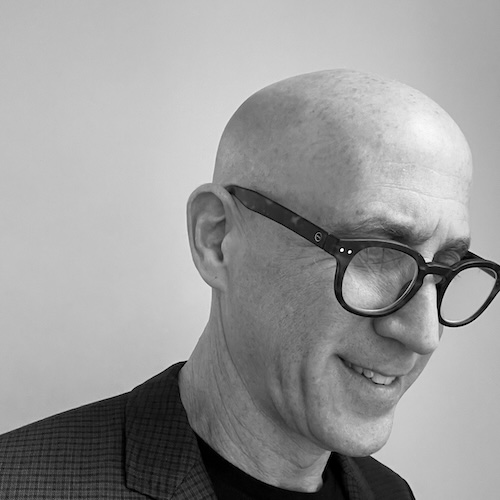
Douglas Quenqua is a longtime journalist, editorial consultant and bestselling ghostwriter.