Newsletter
 Events
Navigating the Mental Health Maze Seems Like a Nightmare
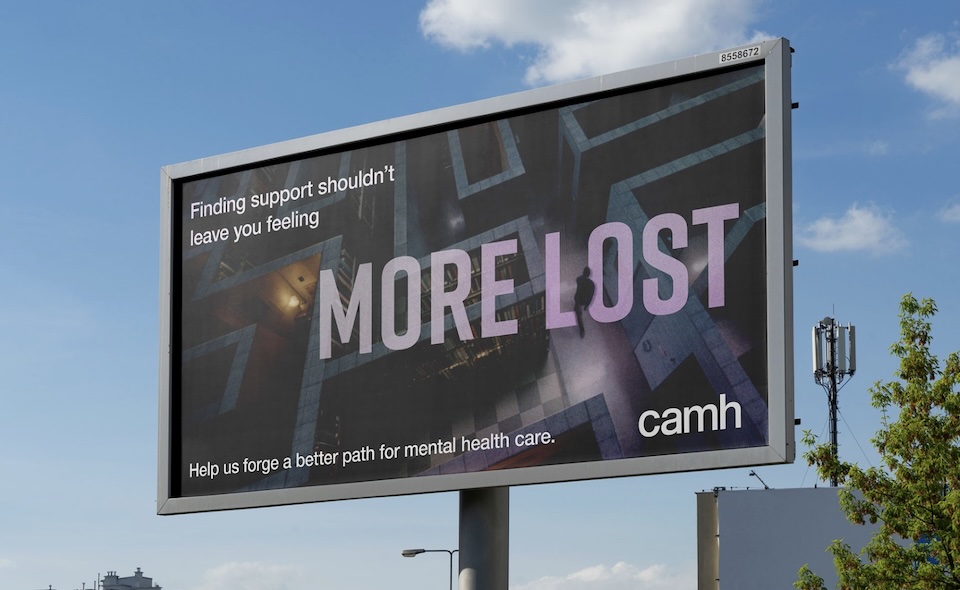
CAMH shows you the way


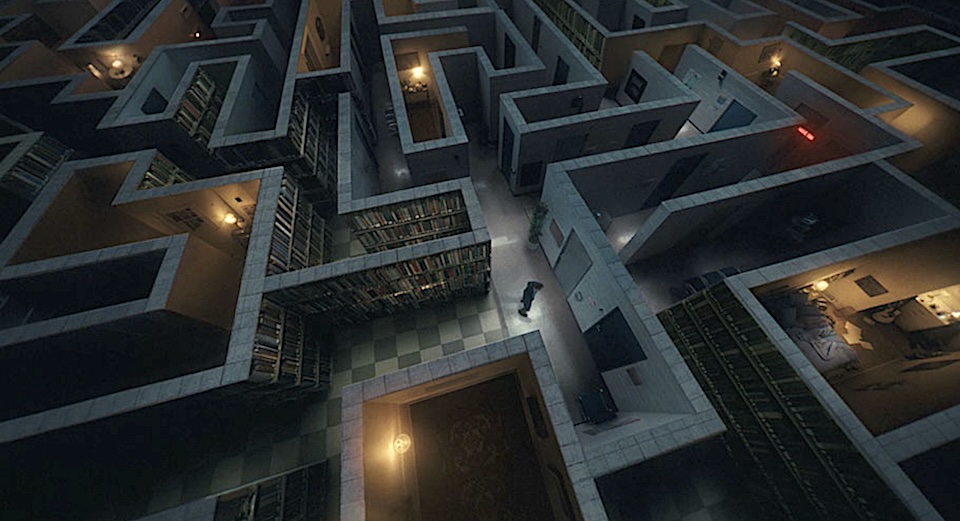
Folks seeking mental-health assistance can feel trapped, as if they’re running like rats in an endless maze, unable to find relief no matter where they turn.
Naturally, that description can apply to their personal struggles—but it’s an equally apt metaphor for navigating labyrinthine health care systems.
Which brings us to Mekanism’s short film backing Canada’s Centre for Addiction and Mental Health.
Here, the approach proves suitably nightmarish but not overwrought. We can all picture ourselves similarly tormented, our everyday lives morphed into prisons from which there’s seemingly no escape.
“We wanted the audience to be on this journey alongside the character,” says agency ACD Ashley Babcock. “Every creative decision, from lighting to sound design, was made to evoke the isolation and confusion that comes with not knowing where to turn.”
“We let the experience of the maze speak for itself, turning a systemic problem into a deeply personal, empathetic story people could see themselves in.”
Indeed, mazes figure into ads all the time, notably those in the wellness space. This one succeeds largely owing to a fine craft and subtlety from director Christopher Brown. The proposition feels understandable and relatable, with a potential way out presented at the end.
“The spot leverages a variety of VFX techniques, blending more conventional methods with novel applications of AI generation,” Babcock says.
“The maze environment was constructed by first shooting the hero talent against a green screen. A 3D model of the maze was then created, and the hallway details were generated using AI to produce variations that matched the aesthetic of the home, library and hospital,” she says.
The VFX team generated numerous iterations, “followed by meticulous compositing to integrate the live-action footage with the generated environments. This allowed for the refinement of design, lighting and texture, ensuring the maze accurately reflected the rest of the spot’s visual language.”
The work broke last week across video, cinema and digital platforms, with OOH in the mix, too, all backing a mental health toolkit.