Newsletter
 Events

The Story Behind Hudson Williams' Peloton Hot Spot
Heated Rivalry star says: 'Let yourself go'


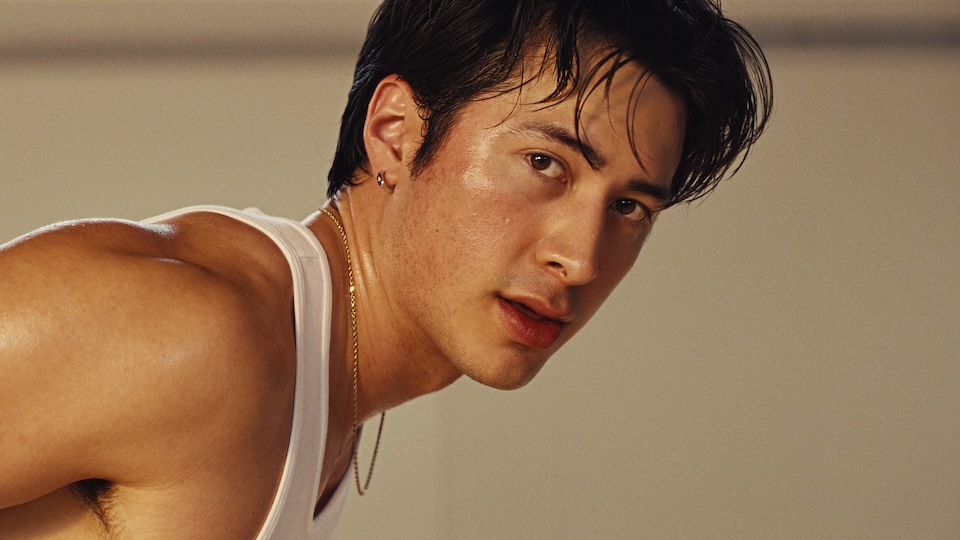
In a world saturated with fitness data and rigid wellness mandates, movement can feel like another item on a growing to-do list. The pressure to do it all, just to keep up, can be relentless. We saw an opportunity to cut through that noise. At Peloton, we’ve always seen ourselves as the antidote to this fitness fatigue by helping people get out of their heads and into the joy of movement while getting an effective workout. When it came to translating that into a creative campaign, we dove into how to bring that feeling to life.
As we dove into what the feeling of Peloton is, we kept coming back to the same insight: our members have fun when they work out with us. It’s not just about physical benefits. It’s about how, in the throes of a great workout, you can completely shift your outlook. In this high-pressure world, Peloton gives you control so you can “Let Yourself Go.” It is more than a tagline; it is a visceral feeling of release.
So, how could we show non-Peloton members what it feels like to let yourself go? I asked our in-house creative team to explore movement as art. We wanted to lead with entertaining people and make the ad almost feel like a music video. Having grown up in the worlds of fashion and beauty, I knew the impact of a stylish, artful narrative that people would want to watch and share.
This led us to Hudson Williams. We didn’t just look for a face; we looked for a cultural validator who naturally evokes our point of view and would complement the powerful energy of our instructors on set. Hudson represents the multidimensional individual who champions movement for mental clarity as much as physical performance. By partnering with him, we were able to bridge the gap between our products and a more modern, emotional reality. He is the perfect embodiment of “possibility” within our fitness culture.
We also wanted to incorporate Peloton’s instructors in the creative in a fresh way. So, for the first time, we brought them out of the screen and into the physical space. By having Tunde Oyeneyin manifest in the room, we visually represent the intimate, personal connection our members feel with instructors. It’s no longer just a digital interaction. It’s a shared energy that bridges the gap between our platform and the member’s reality.
Another key element of Peloton is music, and we set the film to the electric energy of David Bowie’s “Fame.” It’s the perfect complement to Hudson seamlessly moving from the Tread+ to mirroring Tunde’s strength sequence, where the workout transforms into a dance. This montage unfolds as something more than movement. It becomes a kind of warmth you can feel radiating through the screen.
The choreography flows with an effortless intimacy, blending athleticism and expression into something deeply human. There’s a beauty in the way the space holds him—soft, glowing, alive, as each version of Hudson moves through it, building a quiet emotional momentum. By the time it resolves, we’re left with him, breathless, surrounded by every version of himself that got him there.
In that final moment, it’s not just about accomplishment, but about release, the kind of freedom and possibility that you don’t just see, but feel.