Newsletter
 Events

Clio Health Champions: Emily Dell, U.S. Vaccines Communications Director - Sanofi


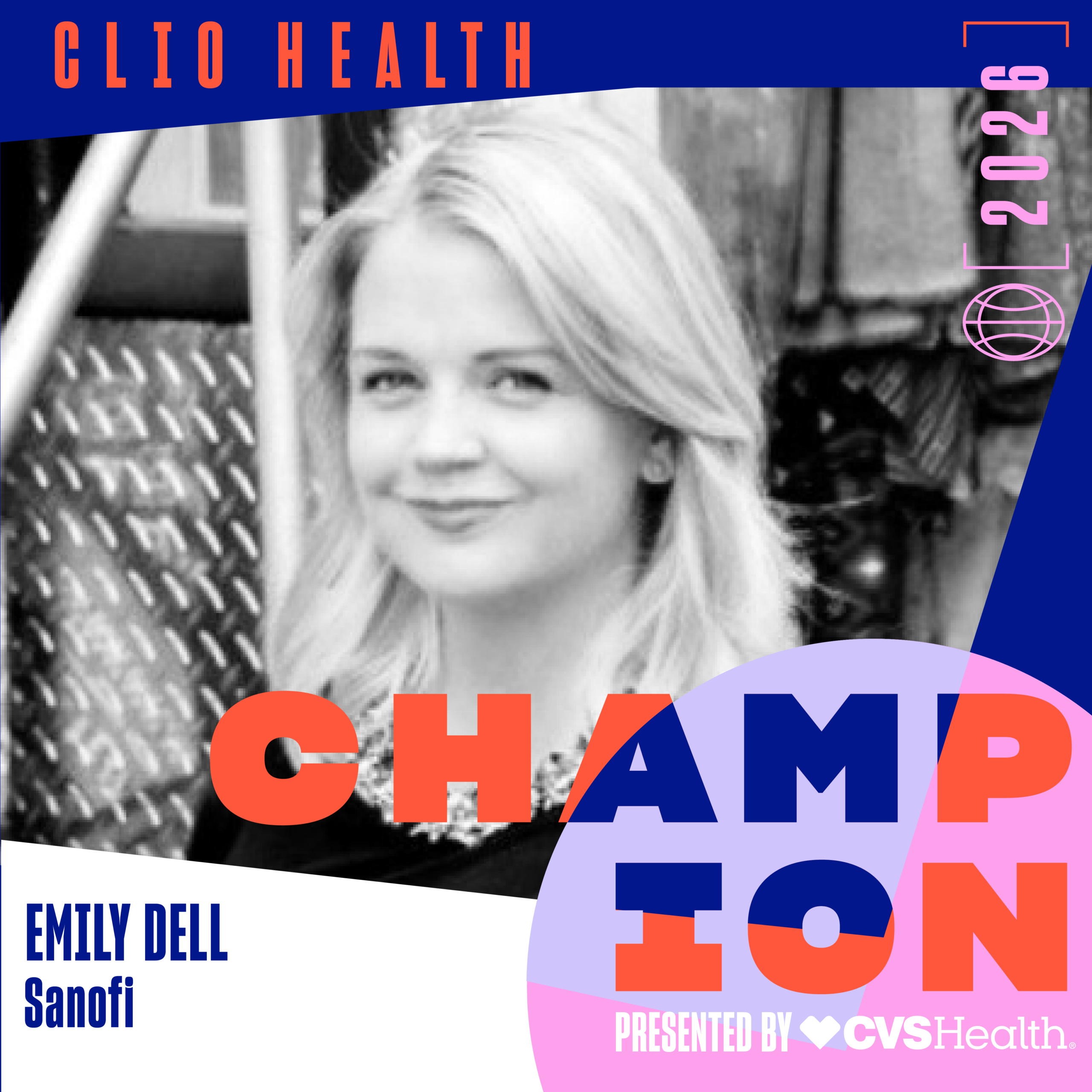
Emily Dell is the RSV Communications Lead at Sanofi, where she leads insight‑driven digital‑first communications that advance disease prevention and public health outcomes at scale. With a background in integrated PR, influencer strategy and multi‑channel engagement, she specializes in translating complex science into modern storytelling that reflects how health decisions are made today. Her work bridges creativity and public health to drive awareness, trust, and informed action.
How do you bring creativity and innovation to your work?
I start by listening, a lot. I’ve found that the most impactful ideas don’t come from trying to be flashy or disruptive for the sake of it, but from really understanding how people behave in real life. Creativity comes from uncovering those moments where decisions actually happen and designing work that feels natural in those spaces. Innovation, for me, often means pushing past traditional healthcare playbooks, thinking beyond the doctor’s office, tapping into peer‑to‑peer influence and embracing platforms and voices people already trust.
Tell us about a recent project you’re proud of.
One project I’m especially proud of is the Beyfortus “Mom Squad” initiative. The challenge was subtle but important: as RSV hospitalizations declined, many parents started to assume the risk had passed. Through research and listening, we realized that moms weren’t making decisions in isolation, they were turning to their group chats. That insight changed everything. We built the campaign around authentic voices and real conversations, showing up early in the season and in the spaces where moms already spend their time. What I value most isn’t just the scale of the results, but the feedback from moms who felt informed, supported and empowered.
What are you most excited about right now in the health space?
I’m most excited by the shift toward more human‑centered health communication. There’s growing recognition that trust is built through relevance, cultural understanding, and empathy, not just information. We’re seeing more room for storytelling, community voices, and prevention‑focused narratives that reflect real life. At the same time, advances in data and digital platforms give us better tools to reach people thoughtfully and responsibly. The opportunity ahead is to balance rigor with relatability, to create communications that are both scientifically grounded and emotionally resonant. That’s where I think healthcare communications can truly make a difference.
What does it mean to you to be selected as a Clio Health Champion?
It’s meaningful because it recognizes work that goes beyond strong creative execution and focuses on people: how they think, how they make decisions and what they need in moments that matter. Healthcare communications can be challenging. And this recognition reinforces my belief that when we lead with empathy, listen closely and meet people where they actually are, we can create work that’s not only effective but genuinely helpful.