Newsletter
 Events

The NFL Didn't Flinch on Bad Bunny's Super Bowl Halftime Bid
At the intersection of passion, visibility and power, the annual extravaganza reflects who we are


Super Bowl 60 is a month away, and the buildup has already begun. Football hasn’t just replaced baseball as America’s pastime, it has owned that title for decades. In 2023, 53 percent of U.S. adults identified football as “America’s Sport,” and it has dominated television viewership every year since 1972. The Super Bowl remains the most-watched television event in the country, pulling in more than a third of the U.S. population for the game, the halftime show and, of course, the ads.
This isn’t just a sporting event. It’s an American ritual. An unofficial national holiday that collapses sports, entertainment, identity and commerce into a single night. The NFL is, without question, the most powerful sports brand in the United States.
Which is why the conversation around this year’s halftime show started so early.
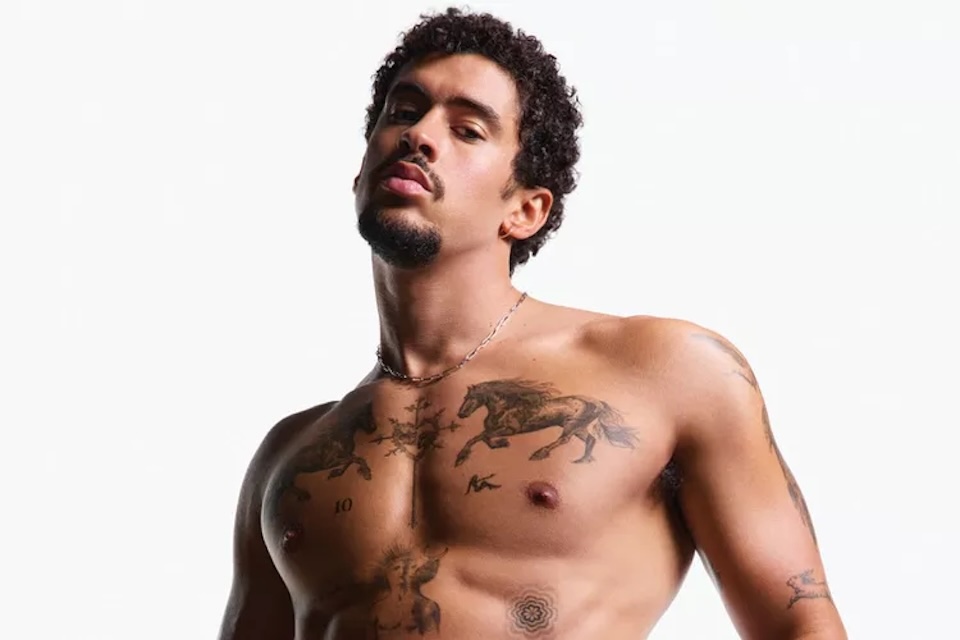
When the NFL announced that Bad Bunny would headline the Super Bowl halftime performance, the response was immediate and revealing. Halftime shows have always carried some level of controversy, from wardrobe malfunctions to political undertones. But this time, the backlash arrived before a single note was played.
Bad Bunny is Puerto Rican. He performs primarily in Spanish. He has openly criticized U.S. anti-immigration policies and is a visible advocate for LGBTQ+ rights. For some critics, that combination alone made him “not American enough” for the Super Bowl stage. Even U.S. House Speaker Mike Johnson weighed in, arguing the league should have chosen someone more traditionally “patriotic,” like Lee Greenwood, citing concerns about mass appeal and the influence on “young, impressionable children.”
That reaction says more than it means to.
The Super Bowl halftime show has quietly evolved into something bigger than entertainment. It has become a cultural barometer—a reflection of who we are, what we celebrate and what we argue about. And when the definition of “America” itself feels unstable or contested, that stage becomes a lightning rod. The NFL isn’t just booking performers anymore. Whether it wants to or not, it’s shaping culture.
That’s where this choice matters. The league is built to bring people together. It thrives on shared rituals, common language, synchronized schedules. Sunday afternoons. Fantasy leagues. Rivalries that divide us just enough to keep us connected. But it also reliably generates friction—tribalism, identity clashes, culture-war flare-ups—because it sits at the intersection of passion, visibility and power. Both things are true.
Which is why this decision wasn’t accidental. And it certainly wasn’t careless.
By standing behind Bad Bunny, the NFL endorsed a broader, more accurate picture of American culture, one that includes Spanish speakers, immigrants, queer communities and artists who don’t fit neatly into a nostalgic version of patriotism. America has never been fixed or singular. The halftime show is finally reflecting that truth.
The NFL didn’t flinch. Not when the criticism grew louder. Not when the politics followed a familiar script.
In doing so, the league echoed concerns central to Bad Bunny himself: independence, creative control and emotional clarity.
At a moment when widening the lens and sitting with difference instead of retreating from it feels increasingly necessary, the NFL chose reflection over retreat.
That wasn’t just a booking decision. It was a statement.