Newsletter
 Events

6 Album Covers That Honor the Unsung Band Members—the Designers
Riki, Depeche Mode, New Order and more


I love how album covers can be visual manifestations of music. And in the case of sleeves cradling vinyl, they invite us to see, touch and hold the songs contained within. As a kid, I’d stare at them while the record played, trying to “crack the code” and uncover some deeper meaning. Eventually, the covers and the songs fused in my mind. I couldn’t separate one from the other. For better or worse, they became an indivisible experience.
A former boss once said that advertising can make beer taste better and cars run faster. I not only agree, but I’d add that cover design can make music sound better, too. In many cases, I’d argue that the designers deserve credit as honorary band members.
For me, nothing resonates more than post-punk. I chose that focus not because it’s novel, but because it still feels alive, with new and exciting artists reinterpreting the genre today via labels like Dais Records and Born Losers.
I’ve picked six records, some canonical, some newer. I invite you to look at their sleeves while listening, as a way to honor the designers. They gave the music its visual dimension.
The Sisters of Mercy
Floodland (1987)
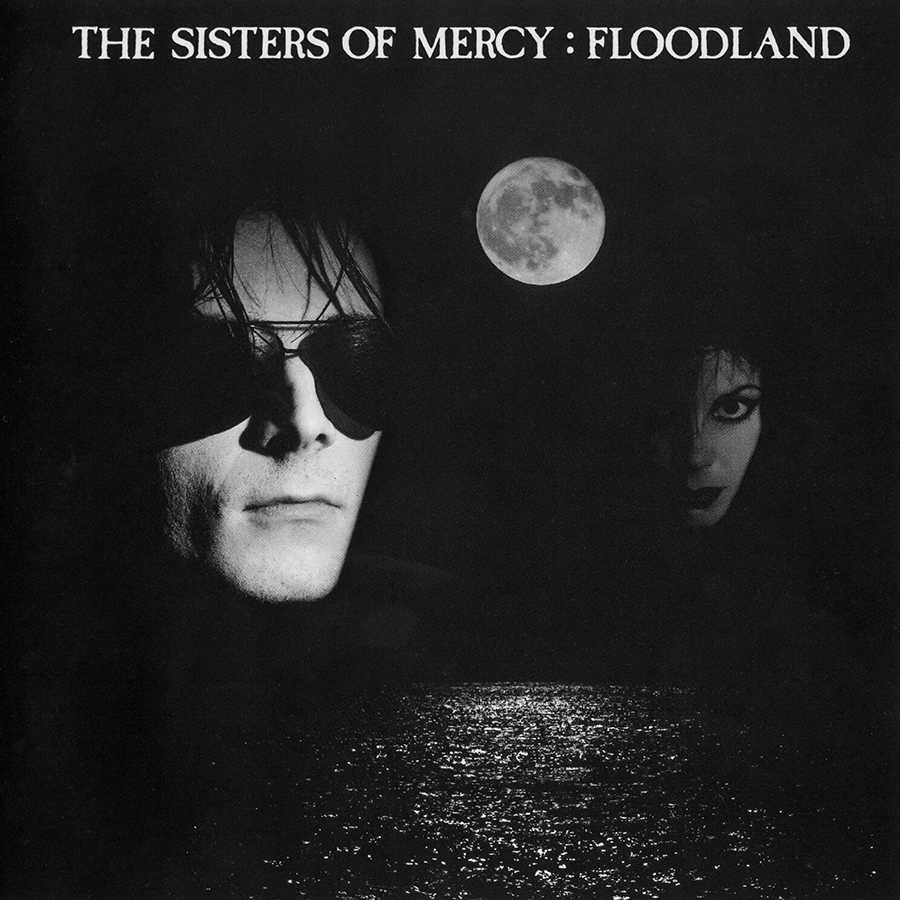
The cover for Floodland is credited to photographers Alistair Thain and Mike Owen. It feels like watching a drowned city from above, the perfect companion to Eldritch’s lyricism of collapse. He’d probably hate me for saying it, but it’s super goth.
The Cure
Disintegration (1989)
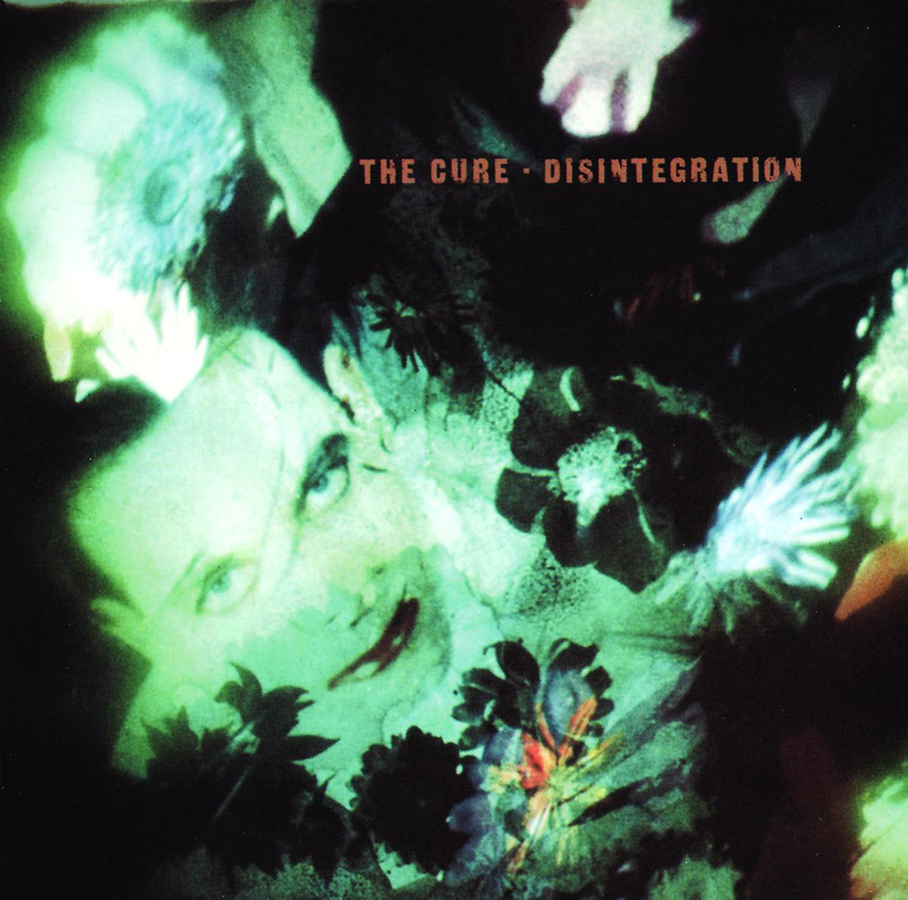
This is the work of Andy Vella, who has long collaborated with the band. You see Robert Smith emerging and dissolving at once, exactly what you’d expect from a dream or Sandman comics.
Depeche Mode
Violator (1990)
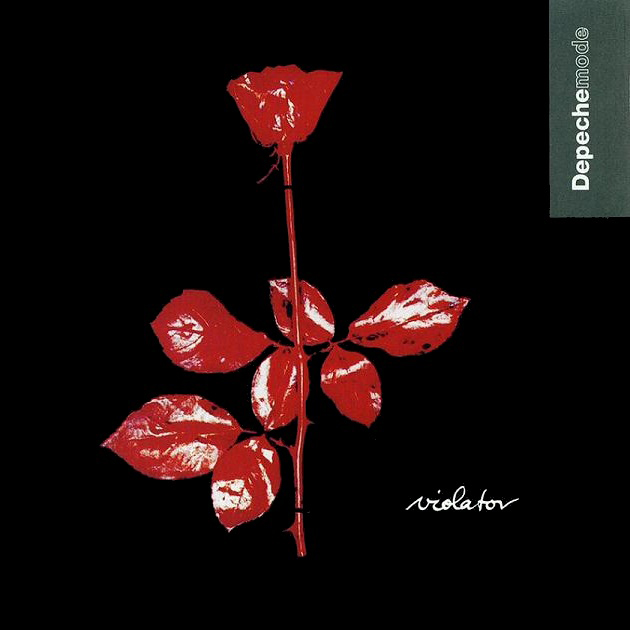
The Violator cover is famously minimal: a red rose on black, clean lines, space, a kind of restraint. The work is attributed to the one and only Anton Corbijn. The rose seems almost like a wound or a blood-trace.
New Order
Power, Corruption & Lies (1983)
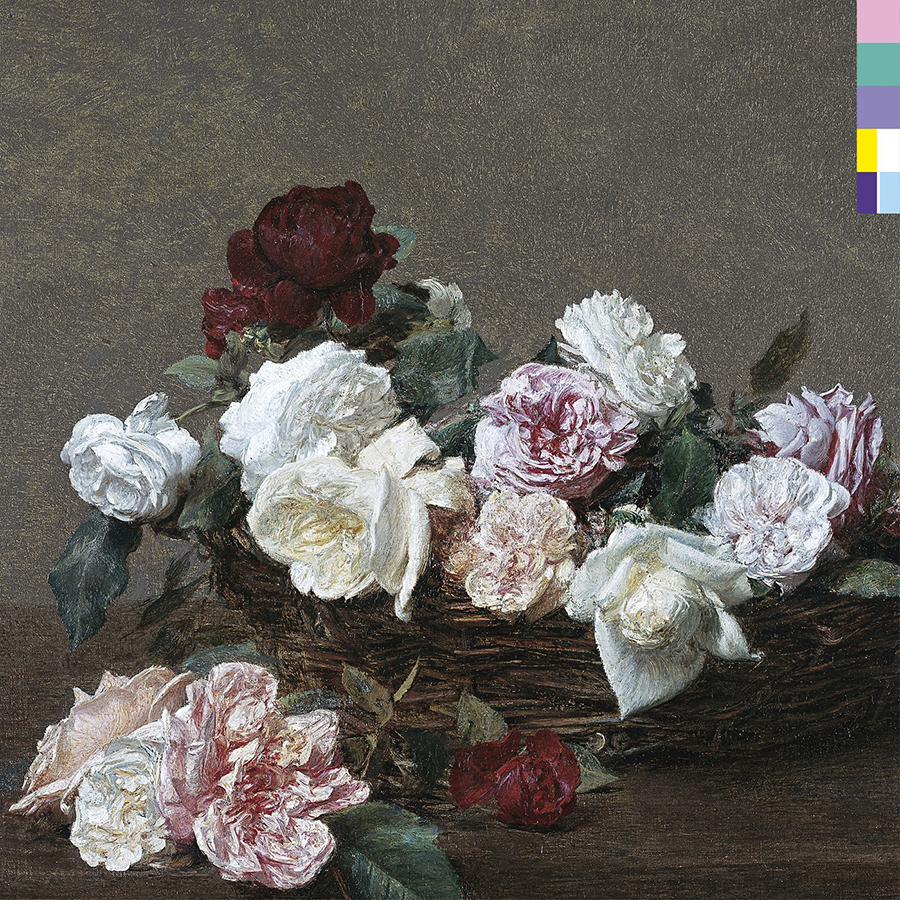
This is perhaps the poster child for conceptual album design. Peter Saville—the legendary designer for Joy Division’s Unknown Pleasures and Closer—selected a postcard reproduction of Henri Fantin-Latour’s “A Basket of Roses” and overlaid a color code system.
Riki
Gold (2021)

Created by Dustin Edward Arnold, the cover of Gold echoes Riki’s music: Synth-driven, minimalist and shimmering with a strange ’80s glamour.
Drab Majesty
Modern Mirror (2019)
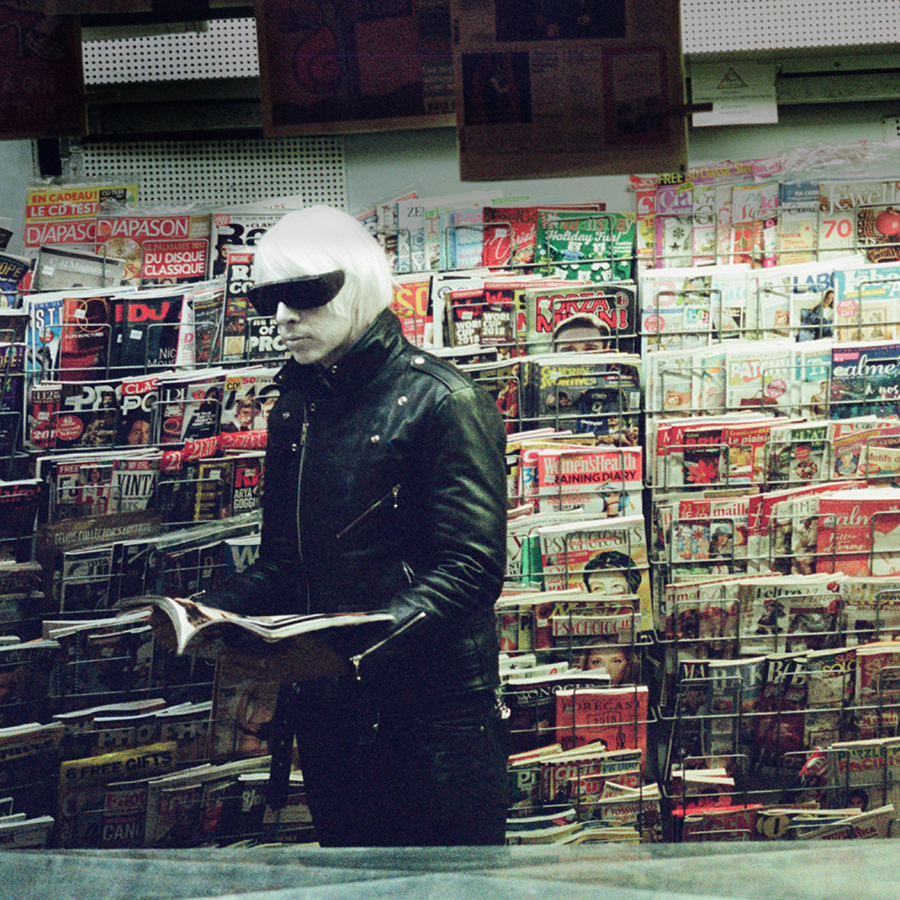
Drab Majesty leans darkwave/dream pop, and their visual vibe is inseparable from their sound. Photographed by Nedda Afsari and designed by Juan Mendez (who tragically passed away in 2024), the cover feels mundane yet dreamlike. It suggests a weird memory you can’t quite place or escape.
Art of the Album is a regular feature looking at the craft of album-cover design. If you’d like to write for the series, or learn more about our Clio Music program, please get in touch.


Patrick Matzenbacher is a senior vice president, creative director at Leo Chicago.