Newsletter
 Events
Grab Your Sweater: Here Are the Top 10 Autumn Album Covers
The Allman Brothers, Neil Young, Noah Kahan, Black Sabbath and more


As the bright fireworks of summer fade into the season of sweaters and pumpkin spice, certain album covers re-emerge in our collective memory. Duskier, moodier and spookier, these images reflect the most dramatic of the changing seasons. Below are 10 great sleeves that capture the spirit of fall:
10. When Harry Met Sally… Soundtrack (1989)
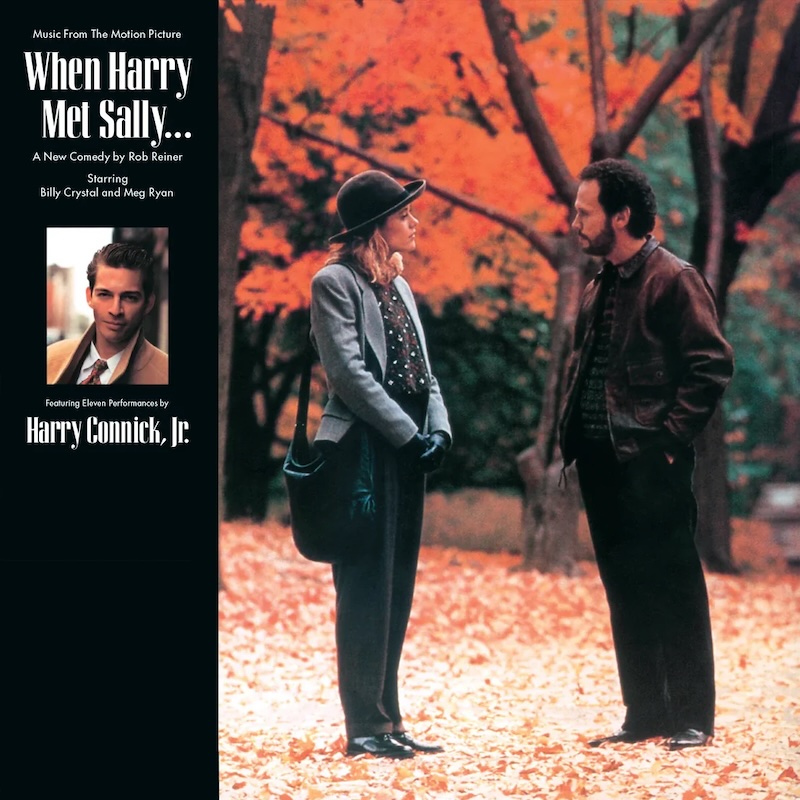
The soundtrack to Nora Ephron/Rob Reiner’s iconic romantic comedy features Central Park in its fall glory. (There’s nothing quite like it.) The photo, softly faded, with Sally (Meg Ryan) and Harry (Billy Crystal) gazing in each other’s eyes, is as timeless as the standards within. Harry Connick Jr.’s vocals earned the album a Grammy and revived classic jazz torch songs for a new era. (You’re welcome, Michael Bublé.) Connick even gets a cameo on the sleeve. And the photos on the back show the film’s best scenes, including the “I’ll have what she’s having” bit that became a catch phrase.
9. Bobby ‘Boris’ Pickett and the Crypt-Kickers, Monster Mash (1962)

This cartoon, featuring Frankenstein’s monster as the world’s largest music stand, is as kitschy and lovable as its signature song. While details about the artist are as shrouded as Dracula’s cape, the illustration has stood the test of time. “Monster Mash” has become one of the biggest novelty hits of all time and a Halloween staple. The song and visual deliver seasonal fun that never goes out of style.
8. Simon & Garfunkel, Sounds of Silence (1966)
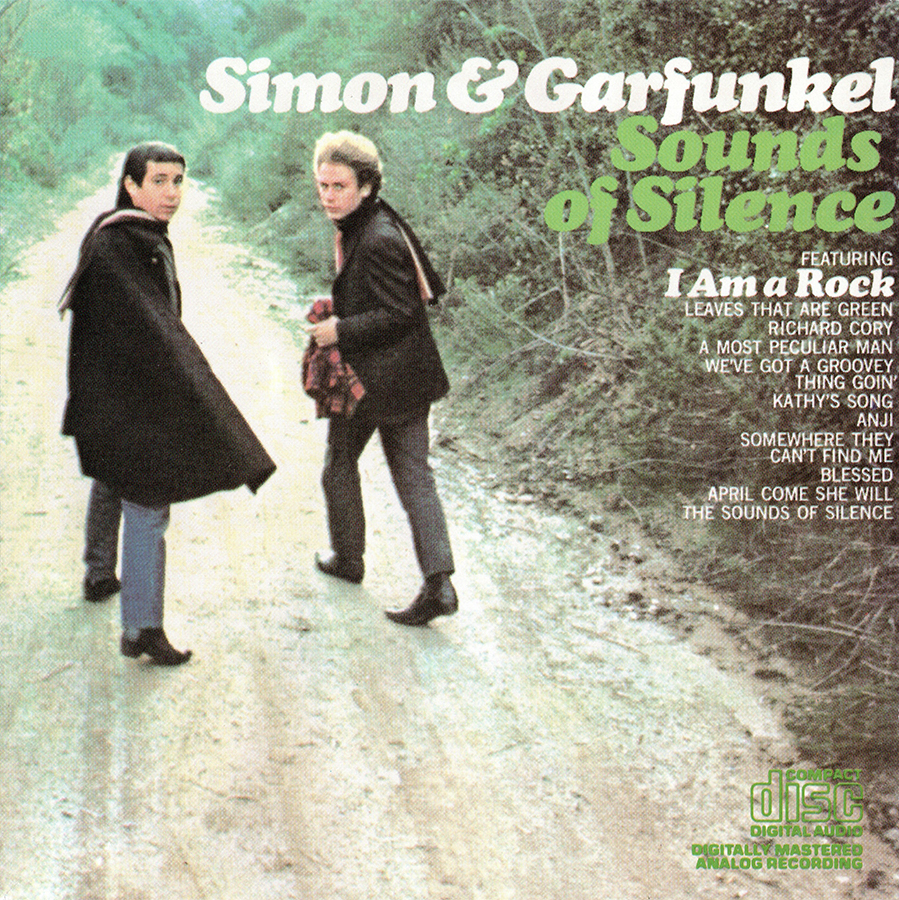
Are Paul and Art being chased by the Crypt-Kickers? Here, we see the kings of folk walking along a leaf-strewn path with their coats turned up against the chill. The cover, shot by Guy Webster in Franklin Canyon Park in Los Angeles, is as iconic as the harmonies within. After reworking the original version, “The Sound of Silence” became the duo’s first No. 1 hit, forever linking this album’s bittersweet melodies with an enduring image of fall. Webster would go on to shoot covers for everyone from The Doors and Rolling Stones to The Mamas & the Papas (who penned their own autumnal classic, “California Dreamin'”).
7. Ghostbusters, Soundtrack (1984)

Who you gonna call? The Ghostbusters logo—a plucky, cartoonish spirit arrested in a red “no” symbol—has become one of pop culture’s most durable images. Dan Aykroyd is credited with the idea for that visual, but art director Michael C. Gross and artist Brent Boates created this instantly recognizable design. Dan and director Ivan Reitman nicknamed the ghost “Moogie.” He became a source of unexpected trouble when Harvey Comics sued, claiming he looked like Fatso from their Casper comics. The lawsuit was dropped, so Moogie lived on.
6. Yo La Tengo, I Can Hear the Heart Beating as One (1997)
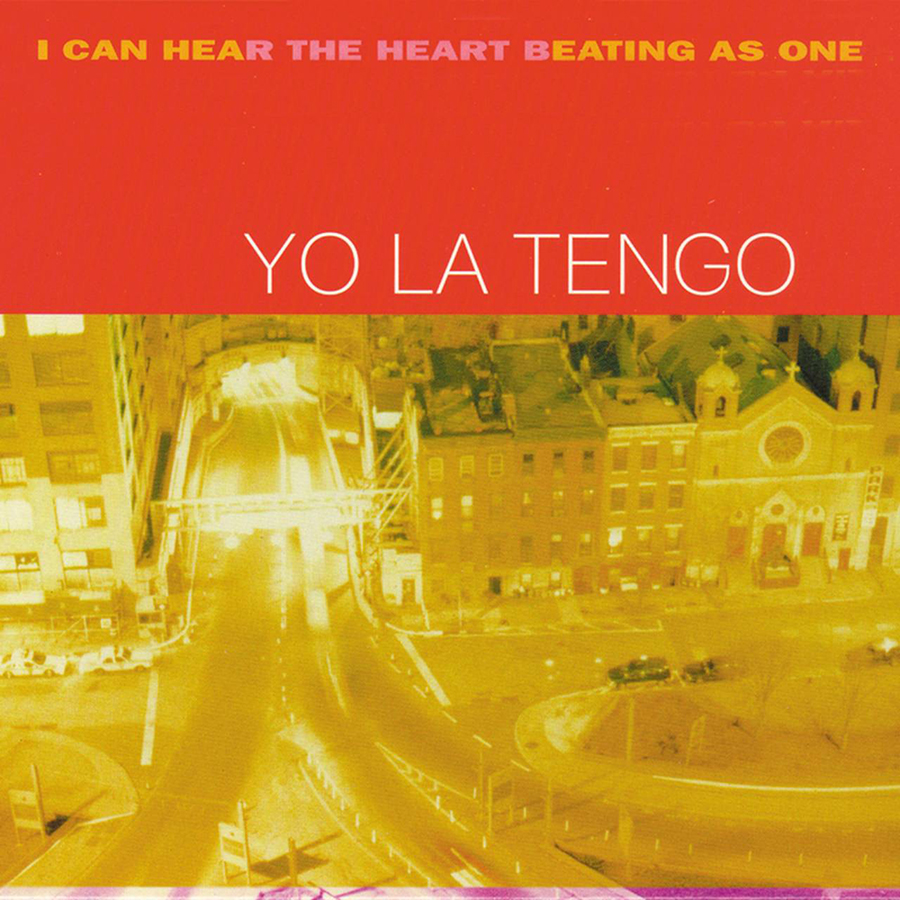
A masterclass in indie subtlety, Yo La Tengo’s modern classic sports an autumn palette, deep golds and muted reds, splashed across a photo of the entrance to the Holland Tunnel connecting New York and New Jersey. Photographer Yuka Honda’s shot is not just a metaphor for a heart—it taps into fall motifs of passage and nostalgia. For a bit of fun, the inside spread features photos of imaginary bands from Matador Records. This LP proved to be a breakthrough for the band, landing it at No. 423 of Rolling Stone’s best albums of all time. It features “Autumn Sweater,” which might be the perfect fall song.
5. Arlo Guthrie, Alice’s Restaurant (1967)
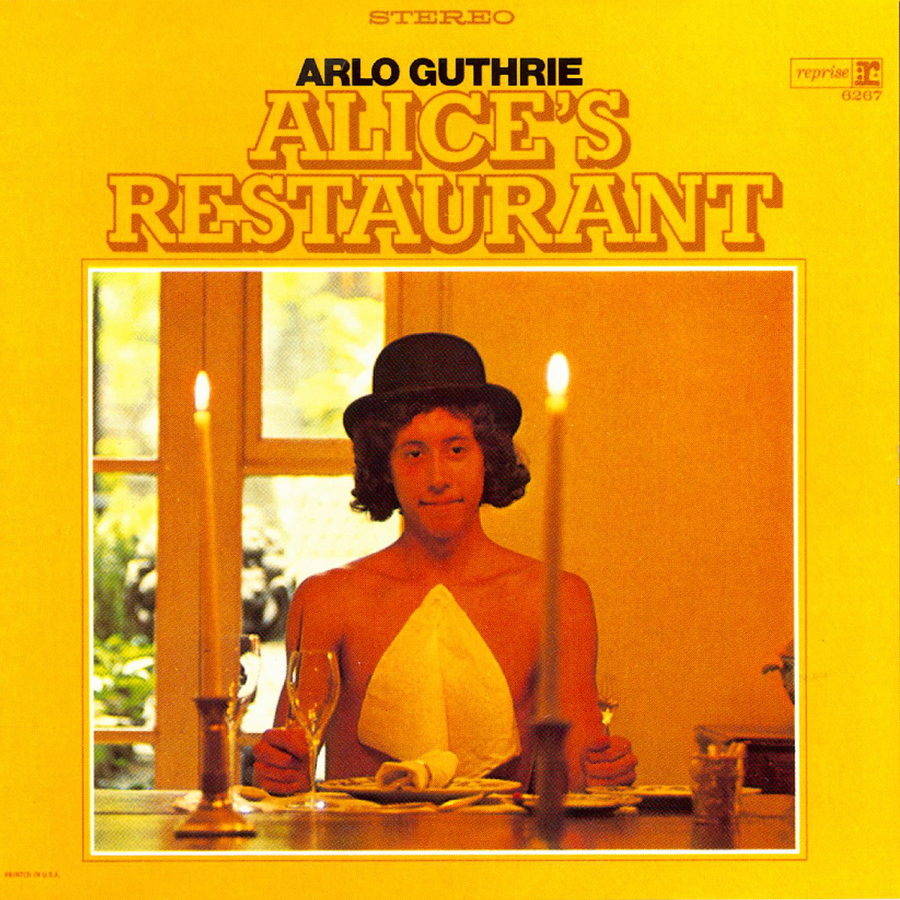
If you live in New York and listen to FM radio, you know to tune in at noon on Thanksgiving Day to feast on the title track in its entirety. Only then would all 18:34 minutes of Arlo Guthrie’s satiric, hilarious anti-war song be aired in its full glory. Here, we’ve got young Arlo doing what he does best, smugly thumbing his nose at conformity by wearing his hat at the table, only to forget about the shirt altogether.
4. Noah Kahan, Stick Season (2022)
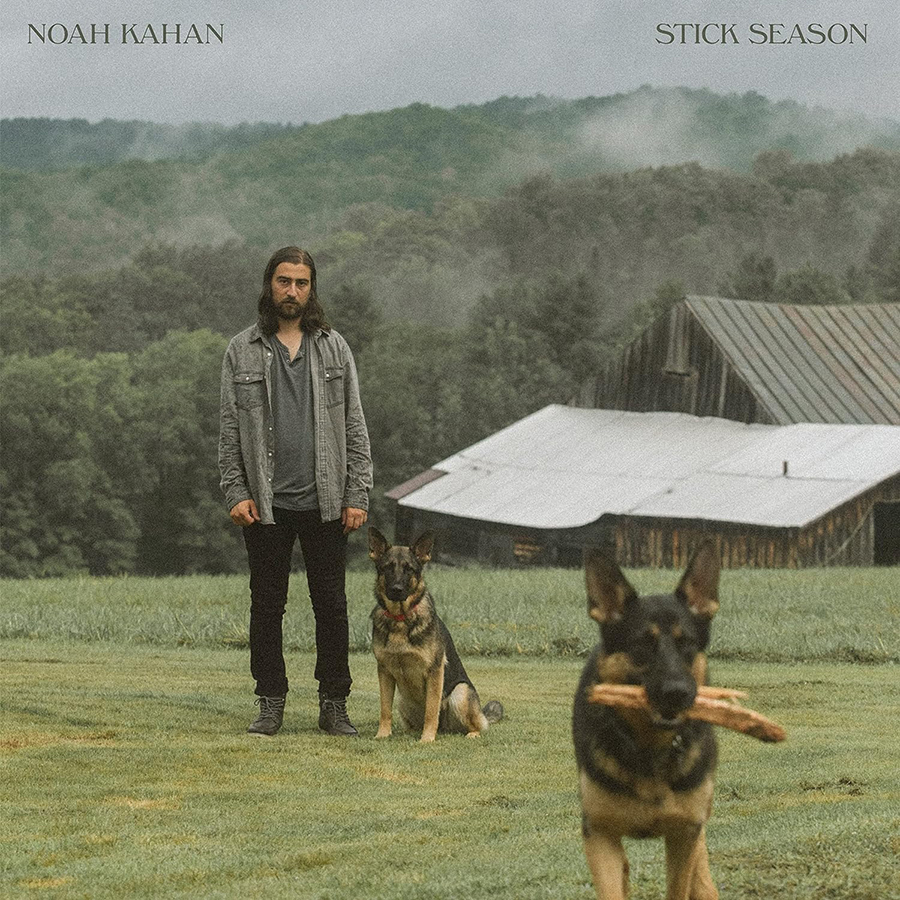
Modern folk for modern autumns, “Stick Season” has quickly become a fall favorite. Its cover, featuring a stretch of rural countryside under a muddy November sky, tells you everything you need to know. Written by our favorite drunk dialer, Kahan’s deeply personal songwriting about change, transition and New England’s muted beauty is reflected in the album’s design. Shot on a neighbor’s property and featuring his family dogs, it feels authentic right down to its name. “Stick season” is Vermont slang for the time after the leaves drop and before the snow comes.
3. Black Sabbath, Black Sabbath (1970)
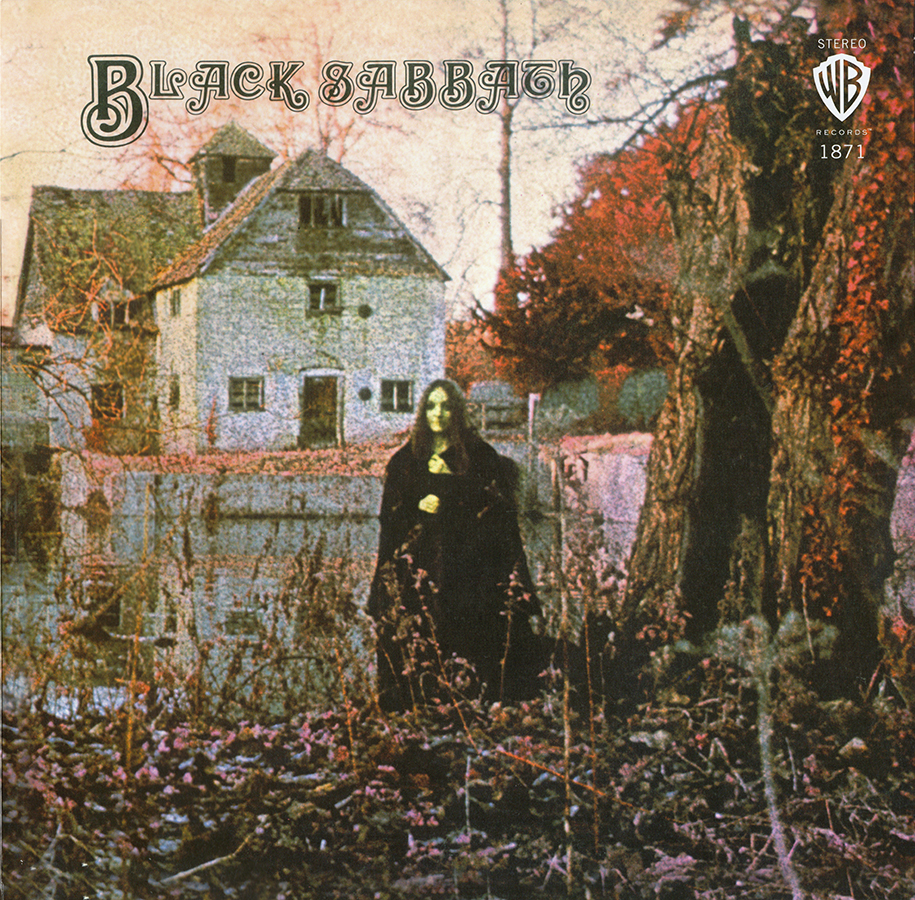
Rounding out the Unholy Trinity of Halloween-inspired albums is the spookiest of all, according to me and the slightly more reputable record collectors haven Discogs. Black Sabbath’s haunting imagery and aggressive sound ran contrary to the fading Summer of Love vibes. The original concept called for the model to be scantily clad. She arrived on location in the chill early-morning hours to find photographer Keith Macmillan (aka Keef) dropping dry ice in water. Keef ended up opting for scary over sexy. The music and the album’s imagery struck a chord (specifically the tritone). When the album debuted, Ozzy’s metalworker dad was so concerned that they would be attacked by curses from occult groups that he made each band member carry a cross.
2. The Allman Brothers Band, Brothers and Sisters (1973)
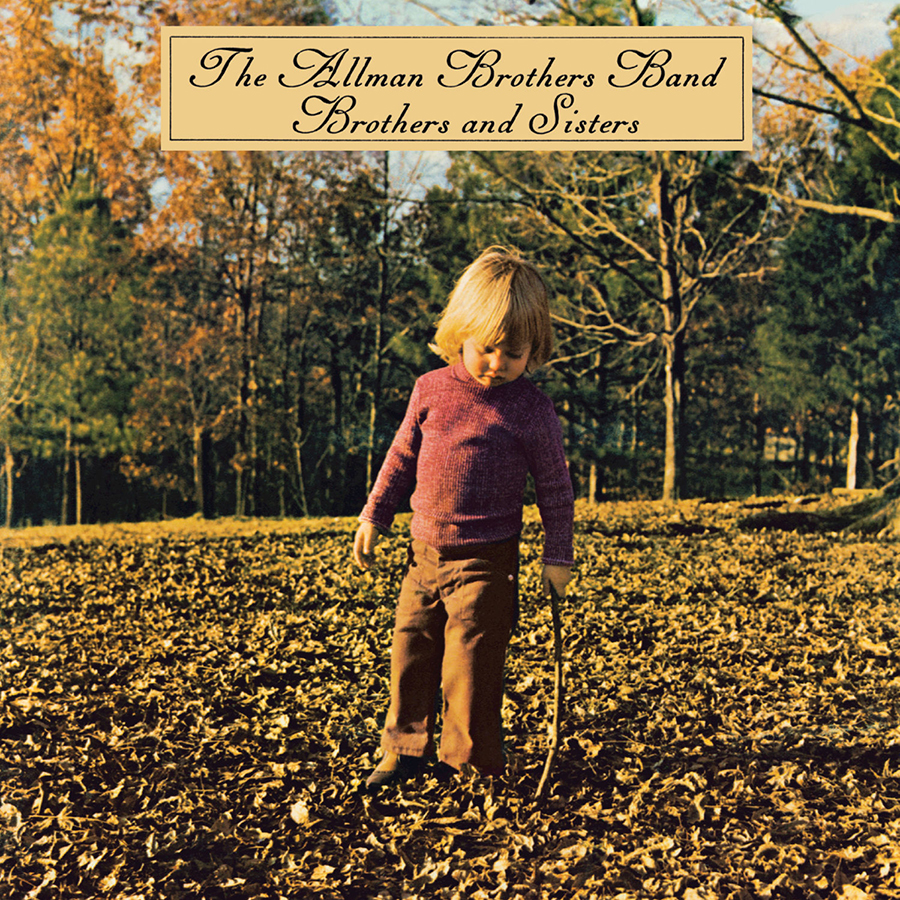
A warm, sun-flecked autumn photograph of drummer Butch Trucks’ son Vaylor captures the album’s rootsy, Southern charm. Shot by long-time tour photographer Kirk West at the band’s farm in Juliette, Georgia, the artwork balances innocence, history and fall vibes. Inside the gatefold, we see a fantastic photo of the group’s extended families. On the back is the adorable daughter of bassist Berry Oakley wearing a homemade dress. While the Allmans were experiencing disharmony following Duane’s passing, you’d never know it from this warm collection of photos.
1. Neil Young, Harvest (1972)
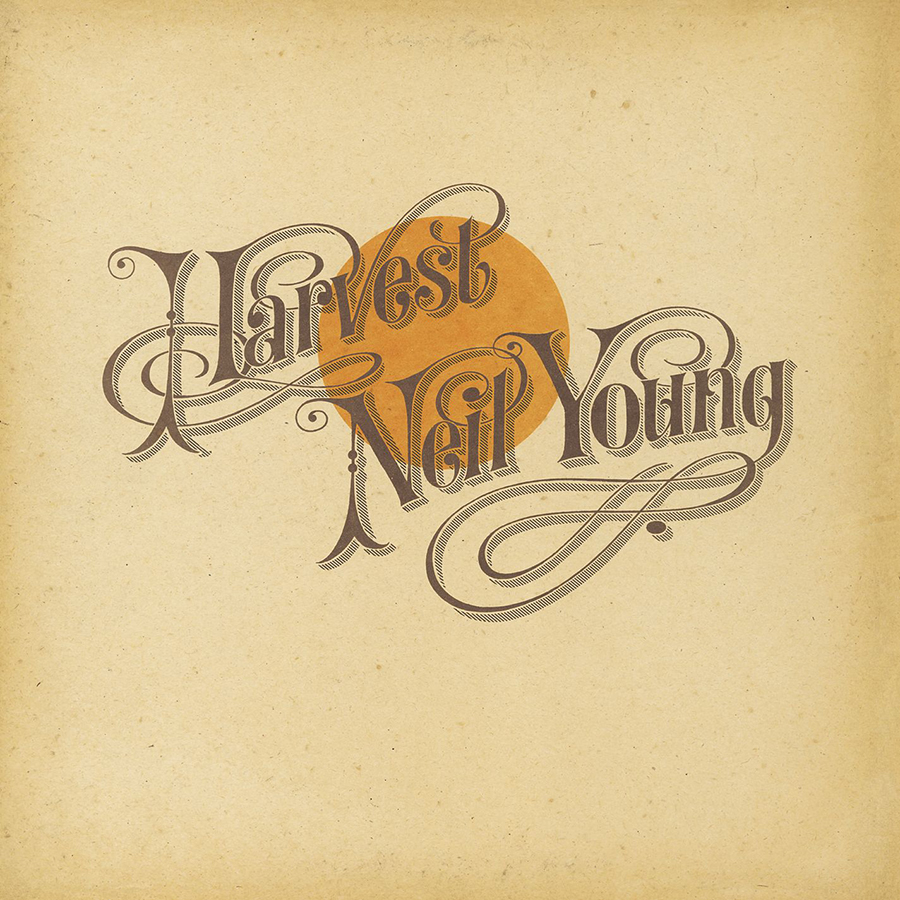
Harvest tops the leaf pile. The cover, designed by Tom Wilkes, is creamy parchment with elegant, loopy script—a nod to vintage Americana and rustic reflection. (The inside art shows a reflection of Young in a doorknob.) Released in 1972, it became Neil’s signature record: introspective, folksy, a blueprint for every songwriter staring out a window at tumbling leaves. Early pressings came with a poster featuring the handwritten lyrics to all of the soon-to-become classics. Young had requested that the sleeve be biodegradable after the shrink-wrap was broken, but the record company rejected that idea. The cover’s simplicity has endured as a timeless, inviting and quietly powerful image.
Art of the Album is a regular feature looking at the craft of album-cover design. If you’d like to write for the series, or learn more about our Clio Music program, please get in touch.


Kenneth Hein loves songs about autumn (Spotify playlist here) but hates pumpkin spice. He spends his spare time pontificating on what a circus peanut actually is and leading communications at Code and Theory. For more, here are his takes on the all-time tops for summer and Christmas album covers.