Newsletter
 Events

For Puma’s Chief Johnson, Authentic Streetwear Is Always Born in the Streets
The brand’s lead for entertainment marketing shares insights from a career spanning music and fashion


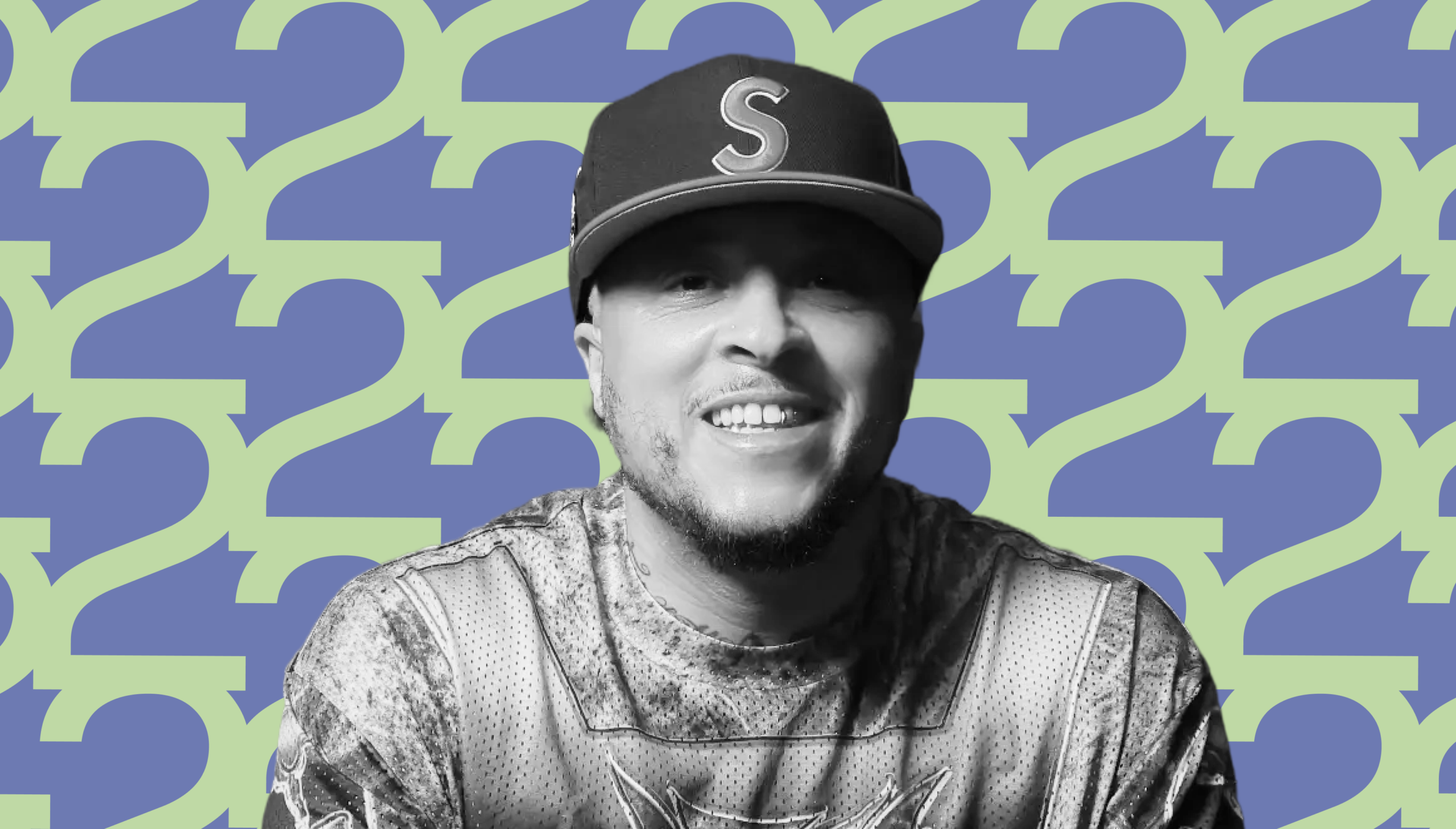
As Puma’s head of entertainment marketing, Chief Johnson knows what drives today’s streetwear trends.
His career path is a zigzag across sectors that drive cultural buzz—fashion, music and everything in between. Heavily involved in the social media marketing of his signed rap group Deux Process during the MySpace era, Johnson solidified his foundation in understanding what drives buzz. He went on to oversee marketing operations for streetwear brands Crooks & Castles and Young & Reckless before landing his “first corporate job” at Puma, where he has been climbing the ranks within the entertainment marketing department ever since.
He has since been named one of Billboard’s Top 100 Hip-Hop Power Players and has collaborated with notable artists including Nipsey Hussle, Meek Mill and G-Eazy.
Muse caught up with Johnson at this year’s Tribeca X while the brand promoted its short film, Fade. The film was officially featured during the festival’s Tribeca X programming and was accompanied by its own panel, “Fade: Culture, Legacy, and the Stories We Carry.”
The following has been edited for length and clarity.
Where did you grow up, where do you live now and how did the two places compare?
I moved around a lot. I was born in West Virginia, lived in Colorado, spent time growing up in New Orleans, Atlanta, and then Los Angeles the past 22 years. They’re all very different places. For me, the bonus of living in all those places is seeing so many different heritages, communities and cultures; [they form] a melting pot of different people which helped shape me and who I am today.
Best career advice you actually follow?
Be a sponge. I was told early in my marketing career from my mentor to soak it all up, even if it’s parts of the company or wherever you’re working that you don’t necessarily work in. If somebody’s willing to share knowledge or give you their time to understand a little bit more, then do it. When I first started working at Puma in corporate, I wanted to learn about how the product was developed, more about accounting, streamline, go-to-market and all those different things.
It’s really helped me. I’m definitely not an expert in all those things. But I have enough insight now where I can understand the process and be able to do my job better.
What’s a creative hill you’ll die on?
The creative hill I’ll die on—and I hate to use this word because I feel like it gets tossed around so much—is authenticity. It’s become a very watered-down word. I don’t think intentionally; people genuinely either think they understand the authenticity of it, but for me, it’s a couple things: Being authentic to myself, authentic to whatever brand I’m working with and their core values, and being authentic to who I’m trying to speak to. That’s something I will die on, especially if my name’s attached to it.
What’s overrated in marketing right now?
UGC. We all have to touch the influencer space, but going back to authenticity, when everyone’s working with the same creators, it dilutes the message of the products. When I’m working with a creator or influencer, I’ll go on their page, and if every other post is them opening a new brand and they’re “excited”—how excited can you be about everything that you’re doing? You can see it in the market; it’s less and less effective regarding direct sales and influencing people.
People are now focusing on the nano and the micro because that space tends to have a more authentic core fan base that does push influence. As marketers and companies, we have to figure out that balance of being able to storytell within the brand and not so heavily rely on influencers and UGC to tell that story.
What is a misconception about streetwear brands?
It’s twofold. At the core of streetwear brands, they were born in the streets—neighborhoods like Brooklyn or places in L.A. These were smaller companies that got it “out the mud,” and it was also affordable. You would target a consumer who looked and dressed like you, but they could also afford the brand.
I love a lot of these brands, but at some point, $200 for a T-shirt and $500 for a hoodie becomes a little pretentious. When I look at streetwear, I ask: Are you really touching the streets, or is this for people on Wall Street who have tons of money? Streetwear means it was born in the streets. And being conscientious of your consumer is the core of it for me.
Can you tell us about a time a project almost didn’t come to fruition?
There are so many of those. One that really sticks out and is near and dear to me is our partnership with Nipsey Hussle. The partnership was going great, but in the midst of getting ready to launch his first collection, he passed away. There were discussions about whether we even put the collection out or if we walk away and figure out how to honor his legacy. I grappled with that, being a friend of his and wanting to honor his legacy. But there’s also a commercial aspect. Finding that balance was key. Other times, contracts don’t get done in time or budgets shift, but that one stands out as a key moment I had to go through.
How did you work through that? Are you happy with the end result and how you brought that to life?
Absolutely. We had an amazing—and still have an amazing—relationship with his family. Sometimes at the core of it, we tend to forget we’re all humans. You need to sit down and have an open conversation. We were wrestling with these things from a brand side, but after sitting with the family, they said, “No, let’s put this out. Let’s roll it out as if he’s still here.” That was the best way to honor him. Communication and transparency are top keys in marketing and branding.
Finish this sentence: “When I am in a creative rut, I…”
…walk around. Everybody knows when I’m walking around the office or pacing a lot; they say, “Oh, he’s thinking. He’s trying to dial up some creative juice.” That gets my juices going, especially outside, because inspiration comes from watching people and looking at buildings. I love architecture, and sometimes you just need your mind to clear and reset to get back in that creative space.
A newsletter creator or account everyone in marketing should be following right now?
Personally, it’s the account TrustGodbro. Sometimes I forget to reset, be mindful and be grateful. Sometimes we do amazing work and forget to let it settle in and say “good job.” That account offers daily quotes and reminders for me. It’s more about the grounded piece than industry insights.
If you weren’t doing this role, what would you be doing?
I would probably be a GM of a sports team. I love sports and wanted to work in it, but you have to go in early, fresh out of college, because it doesn’t pay well unless you build your way up. If I wasn’t doing this, I’d want to run a basketball or football team. [For example], the Chicago Bears, Denver Nuggets and New York Yankees. I used to collect cards when I was little. My uncles liked the Raiders, my pops liked the Bears. And living in Colorado, I fell in love with players like Carmelo Anthony. I randomly picked my teams and I’m sticking with them.
You’ve got two minutes with the industry. What’s your hot take?
Go outside. Get from behind your computers. Go to the mall, people watch and listen to your kids or your nieces and nephews. They have so much insight. They know what’s trending and what’s hot. Pay attention to the kids.
2 Minutes With is our regular interview series where we chat with creatives about their backgrounds, creative inspirations, work they admire and more. For more about 2 Minutes With, or to be considered for the series, please get in touch.