Newsletter
 Events
Why Advertising on the Super Bowl Makes More Sense Than Ever
Appointment TV on a global scale


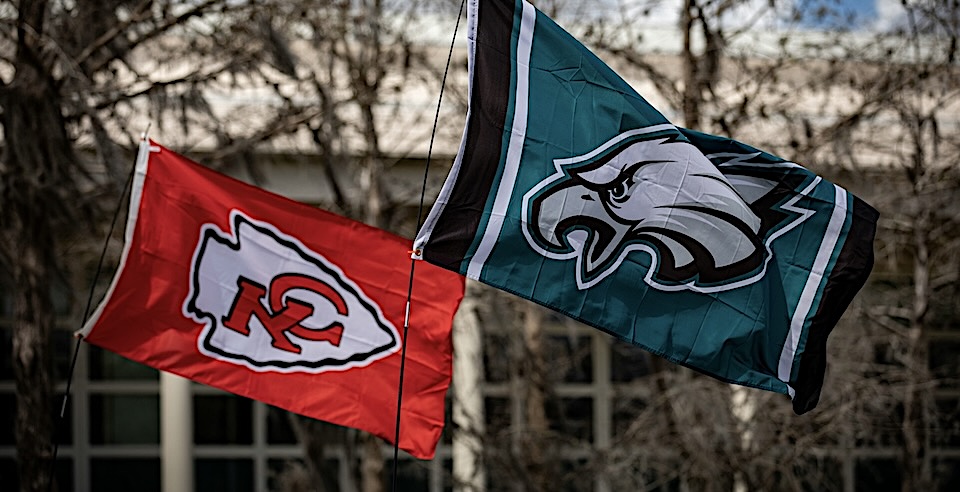
Seems like every year the same question gets asked: Does it still make sense to advertise on the Super Bowl, given the ever-rising, exorbitant costs of placing a 30-second spot?
Adding to the equation, of course, is the production price. Most commercials during the Big Game showcase a movie star or hit song, which can add millions of dollars to the equation. And with most Super Bowl spots, when there’s a celebrity or popular track involved, the duration of time for airing the clip (beyond the game itself) can be quite limited. It’s not as if a company can amortize the costs by running the same ad for years across multiple platforms and networks.
With today’s technology, a spot can be judged and measured for its overall effectiveness but also evaluated almost immediately to determine whether it produces a sizable return on investment.
In this world of sophisticated analytics and sky-rocketing costs, why would any company go through the trouble of creating a Super Bowl commercial?
The answer is simple: Because it’s the Super Bowl. It remains the only cultural phenomenon capable of captivating more than 100 million pairs of eyeballs at the exact same time. It’s the last remaining form of appointment television.
Generations ago, a TV show that ran for multiple seasons could generate tens of millions of viewers every week. The series finale could top 50 million. But those days are long gone. Today, even if a show is a hit, people watch it at different times. Sometimes it takes weeks or even months to gauge how many people tuned in.
Another factor is the sheer volume of platforms available. When I was a kid, we had three networks to choose from—ABC, NBC and CBS. Today, there are hundreds of digital channels delivering content. But the one day each year when nearly everyone watches the exact same thing is Super Bowl Sunday.
With the introduction of legalized gambling and the evolution of fantasy sports, more people across different demographics have become invested in the game. The NFL is by far the largest and most influential sports league in the country, and it’s not even close.
This makes it a smart decision for companies to attach themselves to a brand that casts such a wide net. So soft drinks, snack chips, beer and automobiles continue to appear on the Big Game year after year.
Moreover, even with all the technology available, the talk value that a truly compelling Super Bowl commercial generates transcends mere numbers.
Creating a compelling SB story involves a few things: having a clear and simple message, for one. The last thing you want is for viewers to be confused. The best commercials tell stories that evoke emotion and stay true to what brands stand for. Some companies try to pull off crazy stunts for attention. But those are often flash-in-the-pan efforts; brands running such plays usually don’t stick around or return to the game.
It’s great to create buzz, spark conversation and win awards. But at the end of the day, none of that adds up to much if the commercial isn’t driving sales.
Those soft drinks and snack chips wouldn’t spend millions on Super Bowl ads if the investment didn’t make the cash register sing. More companies recognize this. And for that reason, there will continue to be strong demand to advertise on the game. And with that demand will come rising costs.
Just something to think about the next time you reach for a bag of nacho chips at the supermarket and see a $10 price-tag staring back at you.