Newsletter
 Events
What Jimmy Fallon's On Brand Gets Right (and Wrong) About the Ad Biz
Though simplistic, it captures the industry's creative spark


“Dad, what’s a brief?”
That’s the question my daughter asked halfway through the first episode of On Brand with Jimmy Fallon. For a little while now, she’s known that I “work in marketing.” But that usually meant I’m the guy on my laptop at odd hours or on calls about partnerships she’s never heard of. It’s hard enough to explain my job to adults. Try explaining it to a kid.
But there we were, watching Fallon and Boz coach a team of amateur marketers as they pitched massive campaigns to even more massive brands.
That one question turned into a whole conversation; about why ads exist, why creativity matters and how the right idea can change how people see a brand.
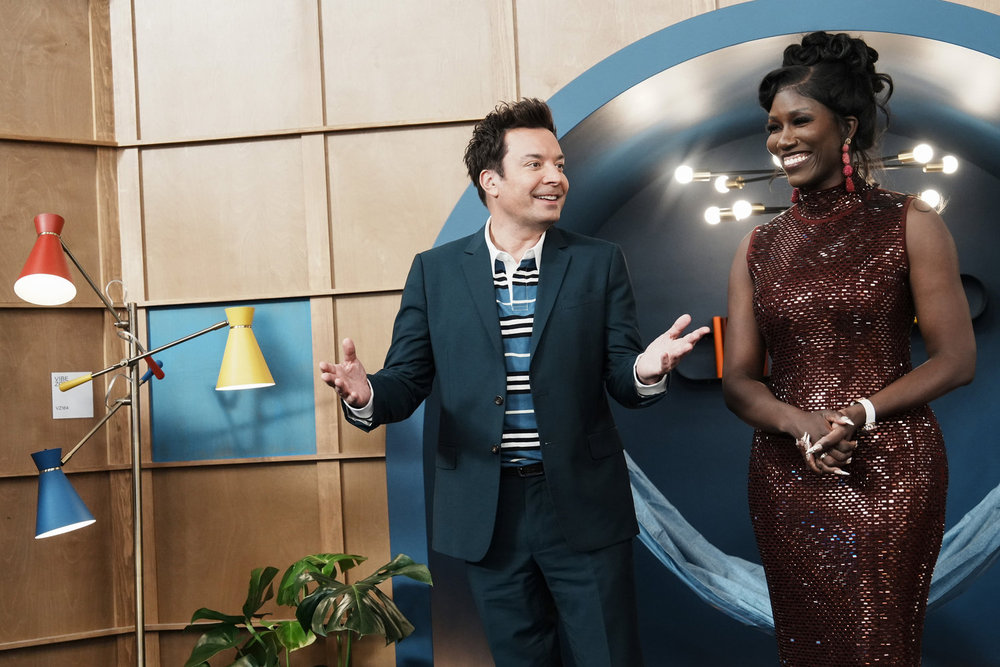
In case you haven’t seen it, On Brand is NBC’s new reality competition. Fallon plays agency founder and Bozoma “Boz” Saint John (ex Apple, Uber, Netflix) takes on the CMO/mentor role and contestants create jingles, activations and commercials under extreme time pressure.
It’s not the first reality show to take a swing at the industry. AMC’s The Pitch did it in 2012. It focused on agencies battling for accounts, late nights and high stakes. But if The Pitch was about the grind, On Brand is about the spark.
The show is getting plenty of heat from the ad world for oversimplifying the profession and reinforcing the myth that “everyone can do marketing.” I get it. Fallon’s version is glossy and over-simplified. The timelines are ridiculous. There’s no mention of legal reviews, production budgets or clients asking for “just one more round.”
I’m choosing to look at it a little differently. While On Brand isn’t an accurate depiction of agency life, it is the first mainstream show in a long time that captures what makes this industry exciting.
It celebrates the power of imagination and the notion that ideas can come from anywhere. But anyone in this business knows the idea is often the easy part. It’s the execution that makes or breaks a campaign.

And it’s the first time my daughter (and my parents) are seeing what happens before a campaign hits their screens. They can somewhat wrap their heads around what I do. It’s opening a conversation about creativity and craft. I get to explain that it starts with the idea, yes—but the real magic happens when you tie that idea to strategy and execute it flawlessly.
As someone who helps brands partner with cultural powerhouses—from A-listers to IPs that shape the zeitgeist—I see On Brand as a cultural win. It puts creativity back on the main stage.
What’s more, it’s an invitation for people outside the industry to see the potential of creative thinking. For kids like my daughter to connect the dots between imagination and impact. For brands to remember that advertising isn’t just about data or conversion rates, it’s about making people feel something.
If On Brand inspires even a handful of future creatives to chase that feeling—to see advertising as a space where art and commerce collide in the best way—then it’s done something valuable.
It’s reminding all of us, from the kids on the couch to the people in the boardroom, why creativity still matters.