Newsletter
 Events
Reintroducing an Icon: The Studio Museum in Harlem
A look inside the campaign focused on transformative art and culture


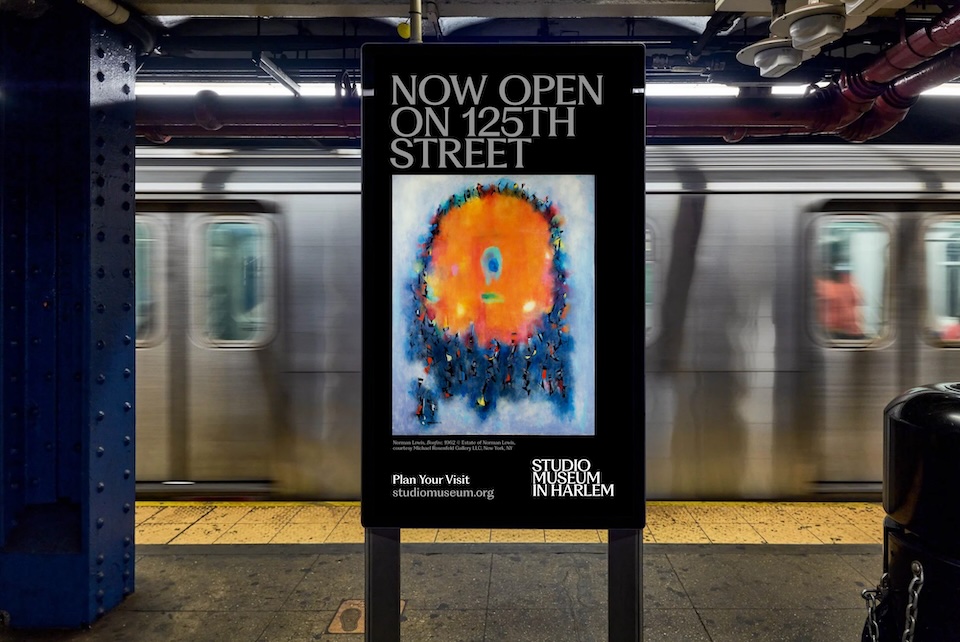
On Nov. 15, New York City experienced a bold, welcoming and expansive reminder of Black art’s transcendent power.
At Penn Plaza, a sweeping takeover featuring Lorraine O’Grady’s “Art Is” graced the venue with joy and wonder, inviting thousands to engage with the spirit of the Studio Museum in Harlem. That same morning, a heartbeat revived uptown. After nearly eight years, the Studio Museum reopened its doors, welcoming visitors and community members back into a space that has long been a catalyst for change.
A partnership rooted in shared purpose
When Lafayette American and Nova Consulting first came together on this project, we immediately recognized its historic significance. Since 1968, the Studio Museum has been the preeminent home of Black art.
Lafayette’s experience in the art world and Nova’s human-centered creative expertise combined to tackle the brief. During the pitch, each team member chose an artwork from the museum’s collection that moved us and shared why (mine was Mickalene Thomas’ “Afro Goddess with Hand Between Legs”).
We were also deeply passionate about shaping the campaign narrative at such a pivotal moment. And so was everybody else—from museum staff and our media partners at AKA to the production team at HPLA and director Mike Carson.
There are unique nuances and complexities involved in museum marketing. And throughout this nearly yearlong endeavor, no matter the challenge, we moved as one team, staying focused on the mission.
Black art and community as inspiration
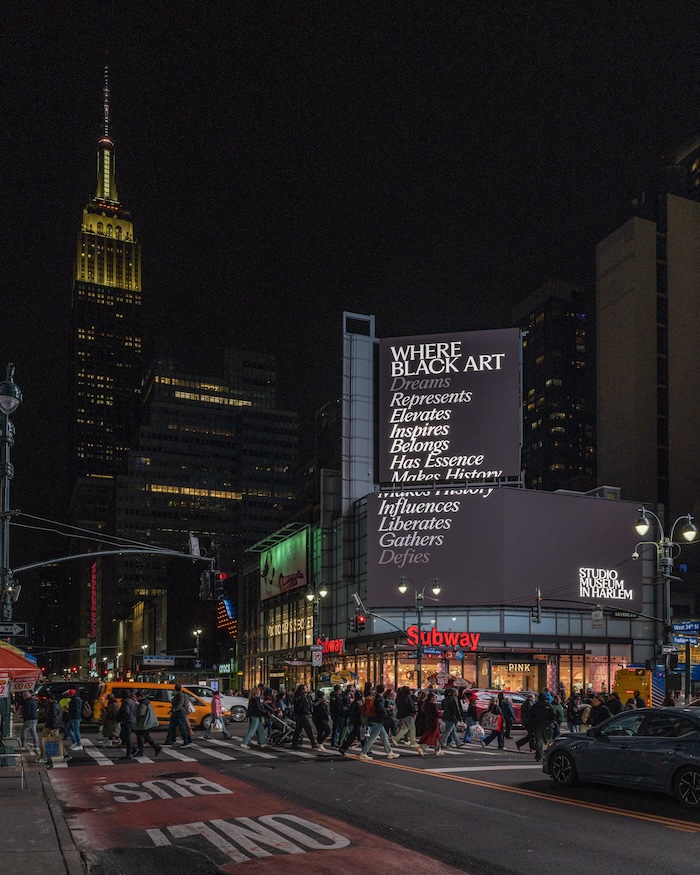
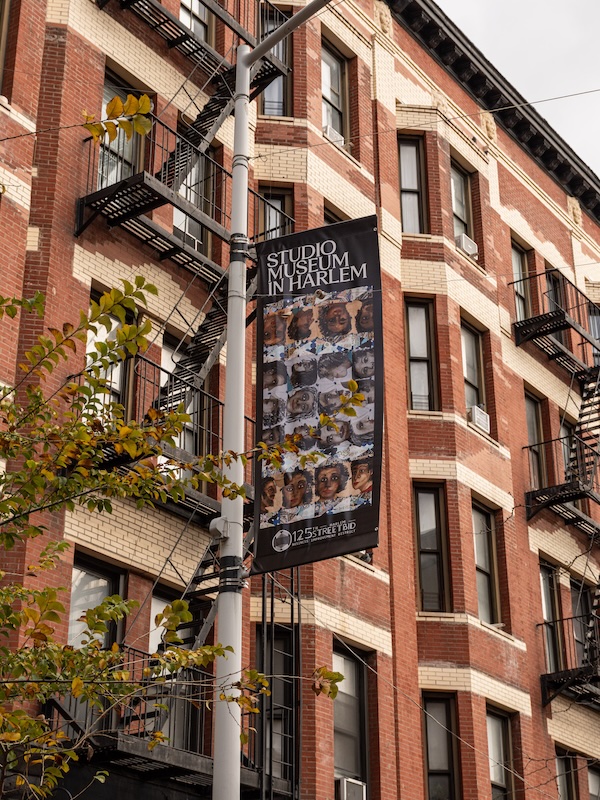
We built the campaign to expand on the Museum’s “Where Black Art Lives” tagline into evocative rotating statements: “Where Black Art Uplifts,” “Where Black Art Imagines,” “Where Black Art Transforms.” We drew in nearly 30 artworks to explore those notions and brought them to life in powerfully inspiring executions all throughout the city.
Any time we were in Harlem during campaign development, people would stop and ask us if the museum was open yet. And during its relaunch week, we watched visitors move through the galleries with joy, curiosity, awe and reverie—the very emotions the campaign sought to stir.
An ending and a beginning
There is a bitter-sweetness in knowing that though the campaign will eventually wrap, this is only the beginning for the Studio Museum. Everyone who steps inside will be transformed. And seeing the community’s response—from the Harlem Week flyers that are hanging on folks’ fridges to the Instagram stories of people dancing on the indoor stoop during opening day—reinforces why this work matters.
The Studio Museum is not just reopening. It is reaffirming its place in history, community and the future of Black culture.