Newsletter
 Events

How 'Culture Calculus' Helps Creative Teams Move Faster
Fueling collaboration from the top down


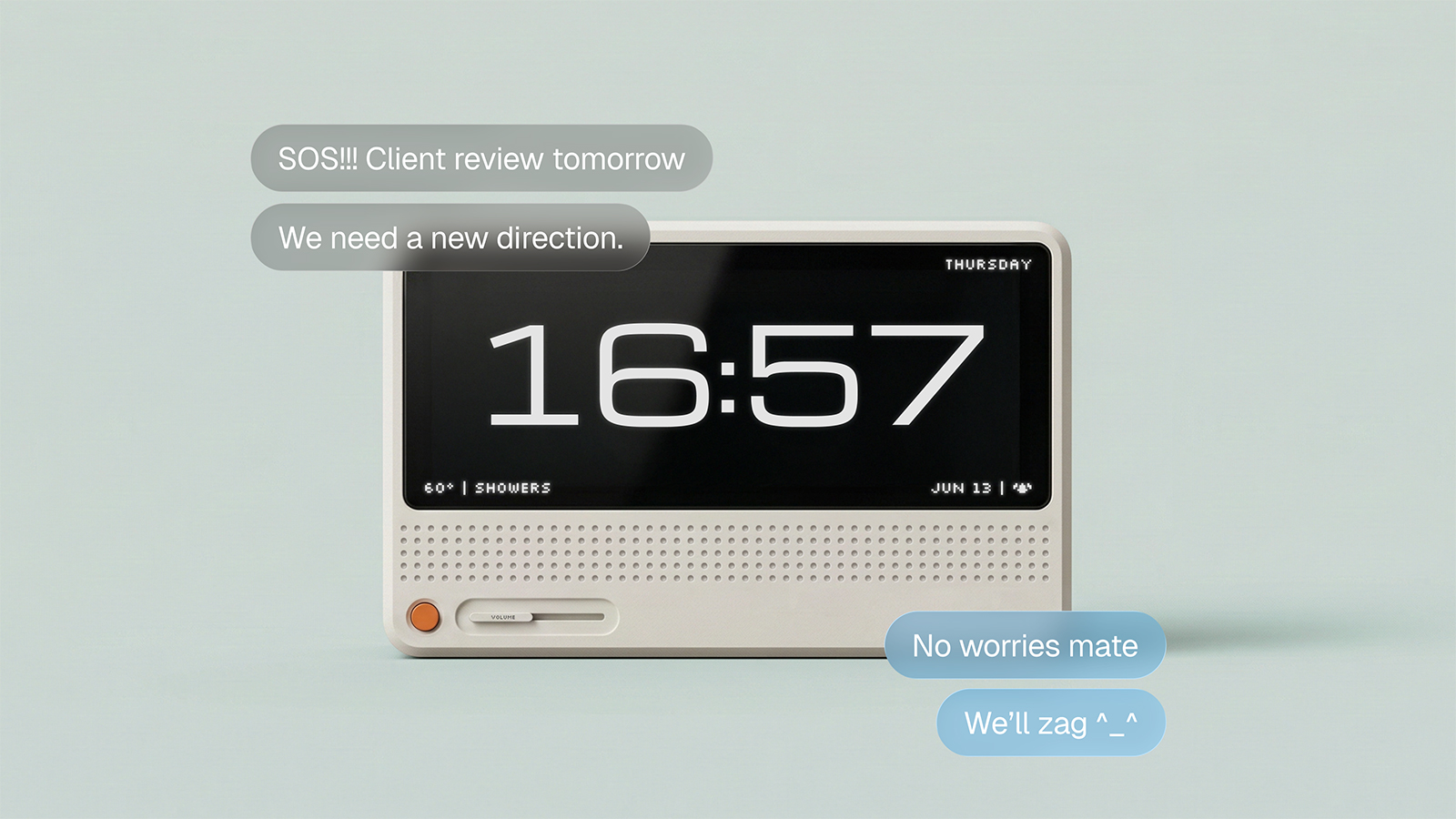
Companies love to wax poetic about culture when things are going well. But culture doesn’t reveal itself in the calm moments. It shows up at 4:57 p.m. on a Friday when the brief changes, the stakes are high and there’s no time to play it safe. In these moments, culture isn’t just a vibe. It’s the energy driving us to make tough calls at speed.
As businesses scale, the conventional wisdom is to add more processes and approvals, creating more layers between decision-makers and the work. That approach may seem like risk management, but it’s the fastest way to stall creativity and corrode trust. We take the opposite view. When the world turns toward hierarchy and compliance, we embrace conviction and courage.
Culture is not a soft benefit, but the engine that drives growth and empowers us to quickly make the right calls. Here is a practical guide to building and sustaining an agency culture that drives business performance.
Prioritize Action, Not Just Process
High-performing cultures thrive on clarity, not consensus—clarity about who speaks up, who makes decisions and what’s expected when we’re faced with difficult decisions. Leadership is less about titles and more about who steps up and collaborates across every level. Commitment is personified through consistent, intentional action, rather than lofty pronouncements. We encourage all team members to contribute ideas because we know the best ones often come from those closest to the work. Creative brilliance thrives in a setting where everyone’s voice is valued. This approach doesn’t just foster better work, it cultivates trust and accelerates decision-making.
Champion Individuality at Scale
Top-performing teams are not driven by conformity. We must support individuality and reward excellence. We recognize the person behind the practitioner, celebrating broad perspectives, unique backgrounds and unconventional thinking. This environment draws top talent while ensuring that, as we grow, our people feel seen, heard and empowered to do their best work. Offer flexibility in how teams collaborate, problem-solve and present ideas. This allows people to lean into what they do best, raising the bar for the work itself. Freedom regularly yields unexpected creative solutions because the strongest idea wins, not the loudest voice or the most senior title.
Embrace Radical Honesty
Another myth of scale is that transparency creates risk. In reality, the real risk is silence. We treat radical honesty as a practical necessity, not as a cultural catchphrase. We make a point of regularly sharing our ambitions, setbacks, and learnings. By openly discussing our growing pains and inviting feedback from across all levels, we cultivate the psychological safety required for creative risk-taking. A recent company event, in which team members shared some of their biggest failures, showed that talking through what doesn’t work enables us to pivot faster.
Operationalize Empathy
Empathy is often misconstrued as niceness. But heart is about building talent systems that recognize the person behind the title, ensuring that as the business grows, individuals don’t feel diminished. When talent feels recognized, challenged and supported, they’re more committed and produce better work. It’s wise to cultivate a culture in which empathy is modeled by leaders who support and challenge employees through people-first policies, intentional practices and genuine connections. This not only enhances employee well-being but also drives engagement and creativity.
The clearest test of culture isn’t what a company says about itself—it’s how it behaves when timelines compress, opinions clash or the assignment changes overnight. We’ve witnessed it firsthand: when a late-breaking client shift demanded a creative pivot in hours, not days, the team moved with confidence, clear on who could decide and be empowered to act.
That’s when clients see whether they have a vendor or a true partner. This is the difference between culture as a language and culture as a set of behaviors. It cannot exist only in statements. It must be present in decisions and actions as well.
In an industry that rewards speed, creativity, and trust, the agencies that win won’t be the ones with the most rules. They’ll be the ones with the strongest culture calculus.