Newsletter
 Events

Drinks Brands Are Wasting the Festival Opportunity
Why pass up the chance for connection?


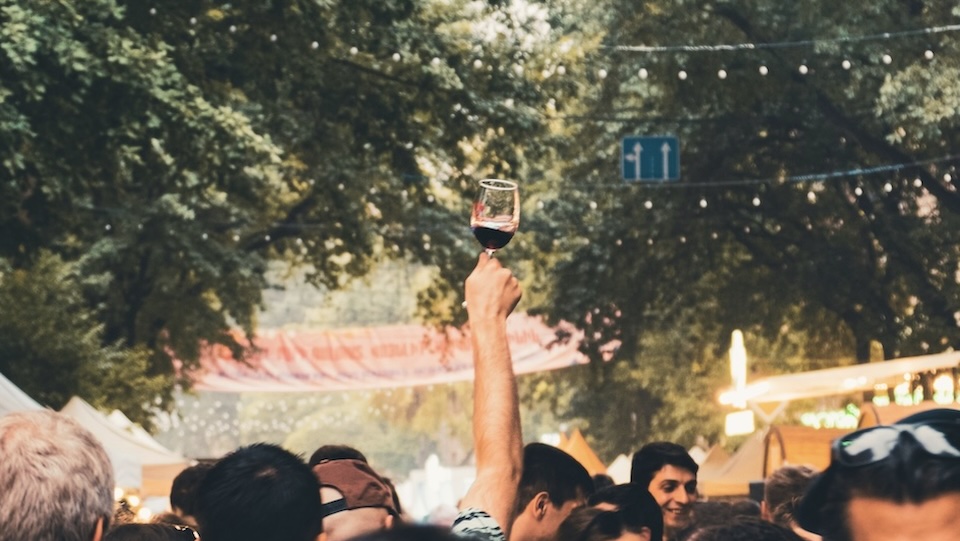
As festival season nears its end, drinks brands have been everywhere, from Aperol’s position as Coachella’s “official spritz partner” and its Aperol Day Club to Tito’s prize-filled dive bar at Lollapalooza and Casamigos’ “House of Friends” pop-ups.
The five biggest U.S. music festivals alone attracted around 2.8 million attendances in 2025, while Live Nation reported onsite spending per fan at its major festivals rose 6 percent. It’s little wonder that drinks brands want a piece of the action: Turn up at enough festivals, get your product into enough hands and hope that translates into sales and cultural relevance.
But ubiquity doesn’t equate to memorability, let alone loyalty. Selling a lot of drinks over one weekend is useful. But the bigger prize is becoming the brand someone chooses at the store for a friend’s barbecue the following week—or arrives at the next festival already looking for.
That’s particularly important in the growing RTD market, where an increasing number of brands are competing for attention. The next billion-dollar RTD brand won’t be the one that shows up everywhere. It’ll be the one that owns a specific occasion with real precision.
Festivals are lucrative territory because the audience is already primed to have a good time and connect. Yet we’re still seeing the same photo walls, prize giveaways, branded umbrellas and bars. To turn festival exposure into something that lasts beyond the weekend, brands need to become part of the occasion itself.
Go beyond the pop-up
The first step is to stop treating the festival as somewhere to install a branded bar and start thinking about how you can improve the occasion itself.
The “refreshing golden-hour spritz” is unspecific and overdone. Why not reinvent the Bloody Mary as a festival pick-me-up, or explore heavier, richer or earthier flavors associated with particular moments?
The experience doesn’t necessarily have to revolve around drinking. At Coachella, you’re in the desert. Why couldn’t a drinks brand create a misting station where people can cool down and get the dust off? At a camping festival, why not offer sleep stations or an hour-long spa experience to people who’ve spent the night on the floor of a terrible tent?
Gen Z—who make up 47 percent of U.S. festival goers—and millennials increasingly want a moment to connect. One recent survey found 74 percent think in-person experiences are more important than digital ones and half want events that feel less curated and more real. That means moving away from another flavour launch with a selfie wall attached, into something memorable and interactive.
Gamification can extend that further. Michelob Ultra did this well around the World Cup, building fan experiences and rewards around its “Ultra Moment” rather than simply putting its logo next to football. At a festival, a scavenger hunt across different stages might unlock rewards or a backstage pass. Improve an experience people have paid a lot of money for and that positive association can outlast the drink.
Find a new format
Differentiation doesn’t stop with the activation. In a category increasingly dominated by skinny cans of fruit-flavoured spritzes and seltzers, packaging is an opportunity to make the product itself more distinctive – and easier to recognise when consumers encounter it again at retail.
BuzzBallz is a great example. The unique shape, color and attitude immediately tell you what the brand is about. It’s fun, joyful and doesn’t pretend to be a premium wellness proposition. It’s worked well: sales increased by 65.6 percent to $569.3 million over the past year.
Festivals present practical problems conventional drinks packaging wasn’t designed to solve. A frozen pouch might make more sense than another 12-ounce can. Multi-serve boxes, taps and smaller formats can make drinks easier to carry and share. Why couldn’t packaging have a strap so you wear it like a mini bag?
Festival outfits are already highly considered, so packaging can become an accessory: clipped onto a lanyard or incorporated into a wristband. It could carry survival tips, site maps, or artwork connected to that year’s line-up.
The more useful and distinctive the format, the more visible the brand becomes across the festival.
Packaging can even create connections between strangers. Coca-Cola once created cans for a college activation that required two people to connect them together to open them. That’s a much more interesting starting point: how can the physical product introduce you to someone who likes the same music or help create a shared moment?
Think smaller, not bigger
Owning festival season doesn’t have to mean appearing at every major festival. Eventbrite’s TRNDS 2025 report found 63 percent of organizers believe consumers are looking for more micro-events and intimate gatherings, suggesting smaller, focused experiences could create stronger connections than trying to reach everybody at once.
Teremana Tequila’s community-focused block parties show the potential: an idea repeated across multiple cities while each event still feels local and immediate. It’s global in scale but local in experience, giving individual communities a reason to care.
That could mean collaborating with an artist from the city on a limited-edition pack, creating a flavour connected to the location or finding a local cultural ritual the brand can genuinely contribute to. Each gives people something distinctive to discover and share beyond the event itself.
Liquid Death demonstrates what happens when a brand does carve out distinctive cultural territory. Whether or not you’re into Iron Maiden, you immediately understand the heavy-metal, anarchic world it belongs to. It creates an emotional connection that another black-cherry seltzer hoping to steal some of White Claw’s market simply can’t.
Ultimately, festival success shouldn’t be measured by how many cases you sell over one weekend. Create something useful, surprising or fun and people will talk about it, share it and recognise the brand when they encounter it again.
The goal isn’t to be the drinks brand people see at every festival. It’s to be the one they still want to drink when the festival is over.