Newsletter
 Events

10 Album Covers That Serve as Maps of the Subconscious
Korn, Björk, Smashing Pumpkins and more


For me, sound has always been inseparable from texture, shadow and cinematic tension. I am drawn to the energy of an image: the sterile beauty of a transit hub, the clinical coldness of medical equipment, the visceral grit of a room in decay. These are the spaces where my visual language was born.
My work as a director and photographer is a continual pursuit of what I call “holy minimalism.” It is the belief that a single, perfectly lit subject against a void can tell a more complex story than a crowded frame ever could. I search for moments where the biological meets the synthetic, the human form becomes landscape and distortion reveals more truth than perfection.
These albums are the blueprints of my visual subconscious. They embody a refusal to compromise on concept, proving that the most powerful way to reveal a subject is often to obscure it in shadows or glitches. This is a study in dark sophistication, ritual frequency and the beauty of the grotesque.
Radiohead
OK Computer (1997)
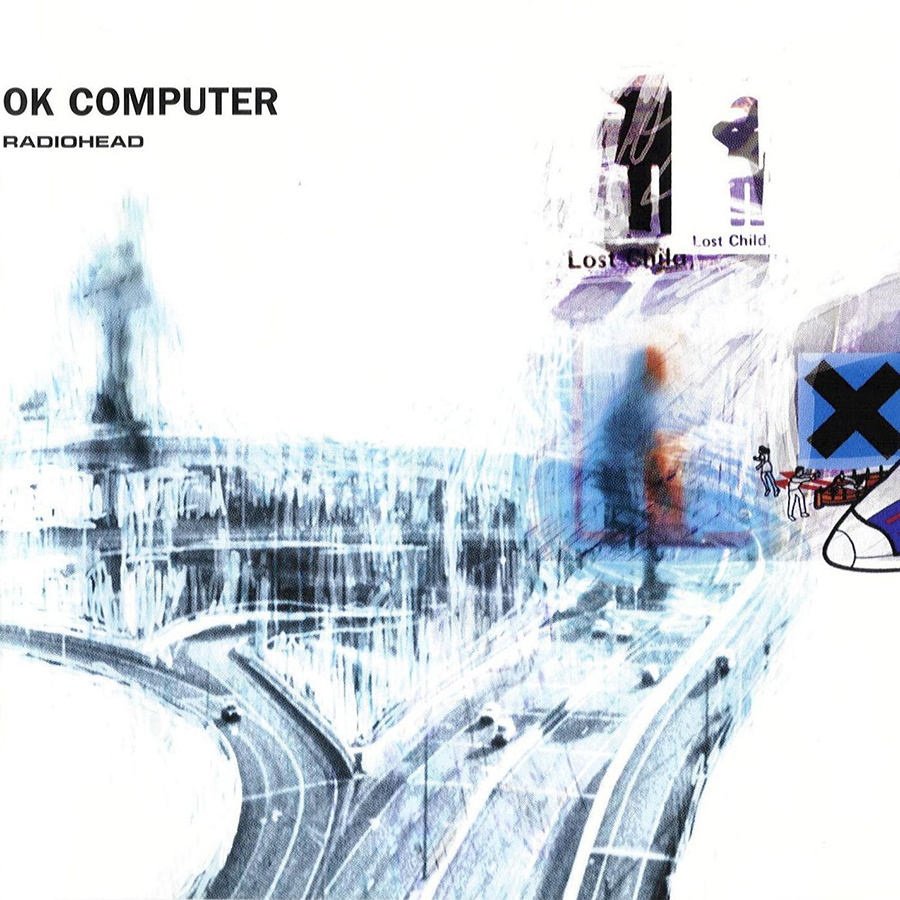
Long before I was behind a camera, I was obsessed with the fragmented, bleached-out collage work of Stanley Donwood. The cover feels like a premonition of the digital age: white-on-white textures, highway iconography and a sense of clinical paranoia. When I listen to “Paranoid Android,” I don’t just hear music, I see frames. The art captures that specific “non-place” energy of airports and transit hubs that I find myself loving to get lost in. It taught me that beauty doesn’t have to be pretty. It can be found in the glitch, the overexposed and the sterile. It is the ultimate study in how to visualize internal chaos through a minimalist, industrial lens. Art Direction: Stanley Donwood & Dr. Tchock.
Massive Attack
Mezzanine (1998)
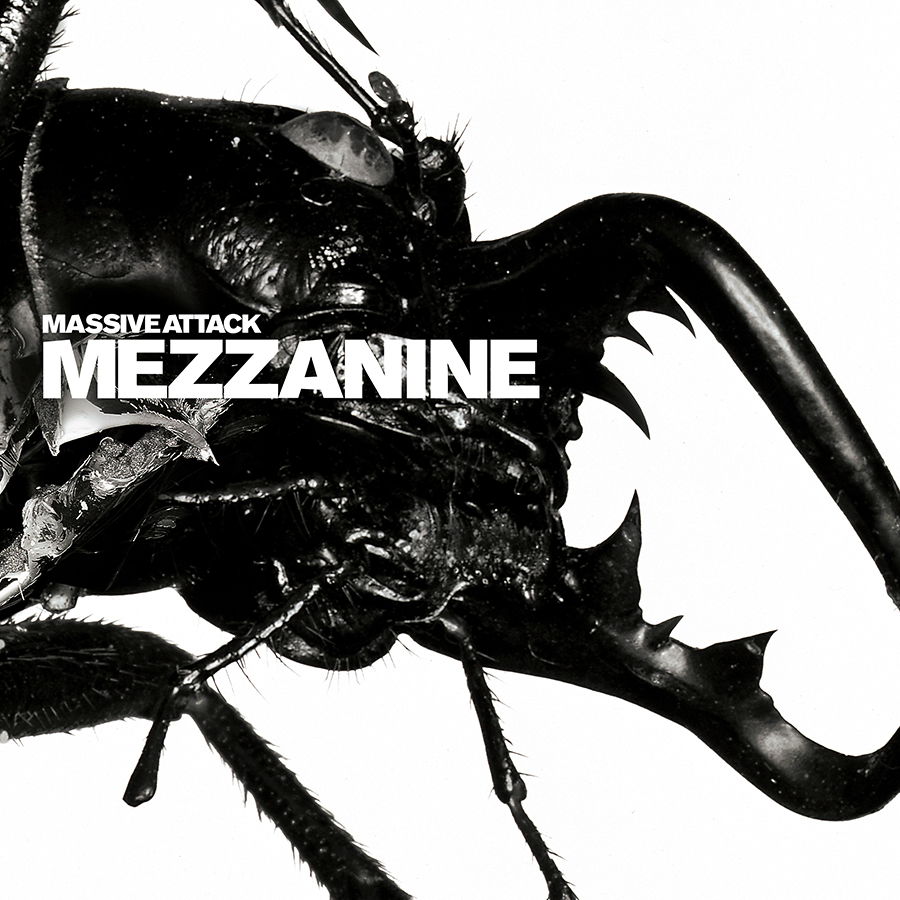
This is a study in texture and high-contrast tension. Nick Knight’s macro photography of the stag beetle haunted my visual language long before I started shooting. It is a masterclass in lighting. The way the ink-black carapace catches the light feels both biological and synthetic, like something found in a high-tech lab or a fever dream. I am constantly chasing this specific mood: a dark, rhythmic sophistication that feels heavy and weightless at once. It is not just a cover, it is an atmosphere. It captures the “holy minimalism” I look for in sound and the grit I seek in film. Art Direction: Robert Del Naja & Tom Hingston | Photography: Nick Knight.
Björk
Homogenic (1997)
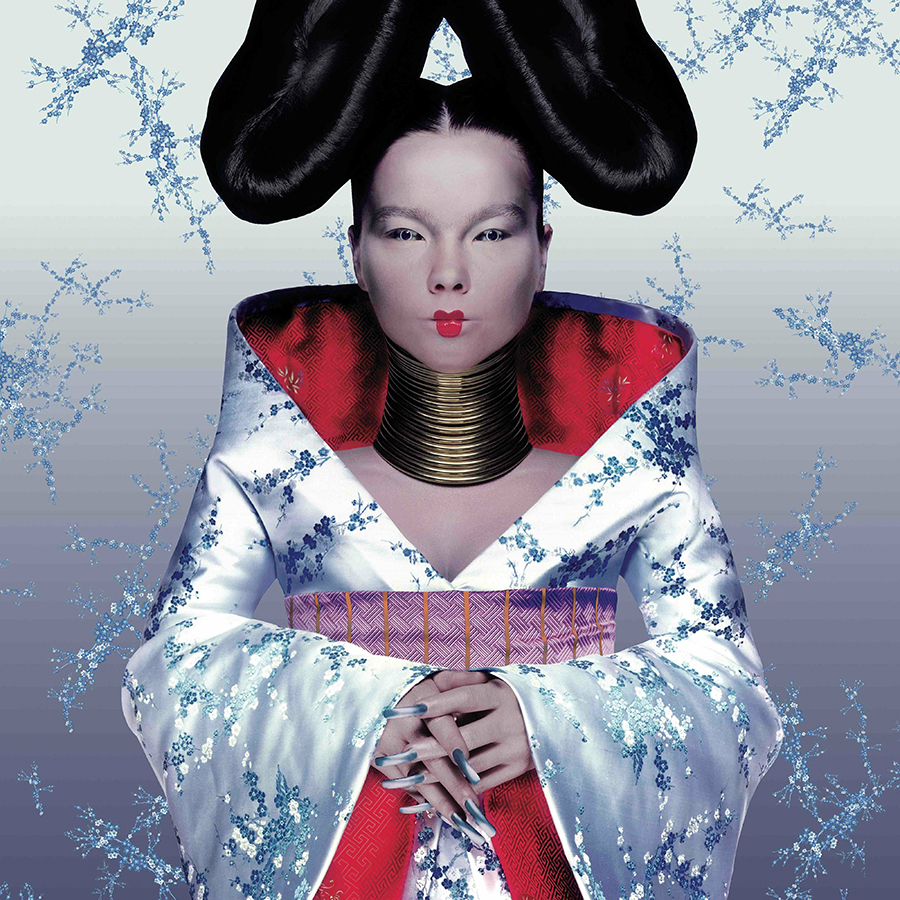
This cover was my first real introduction to the power of a total visual transformation. Having Alexander McQueen style the character and Nick Knight capture it is the holy trinity of fashion, film and sound. The styling—elongated neck, mirrored hair, intense gaze—creates a persona that doesn’t exist in our world, but feels more real because of it. This is a masterclass in using the human form as a landscape. Every time I am on set, I am chasing this level of commitment to a concept. It taught me that the most impactful images are the ones that refuse to compromise. Art Direction: Alexander McQueen | Photography: Nick Knight.
Nine Inch Nails
The Downward Spiral (1994)
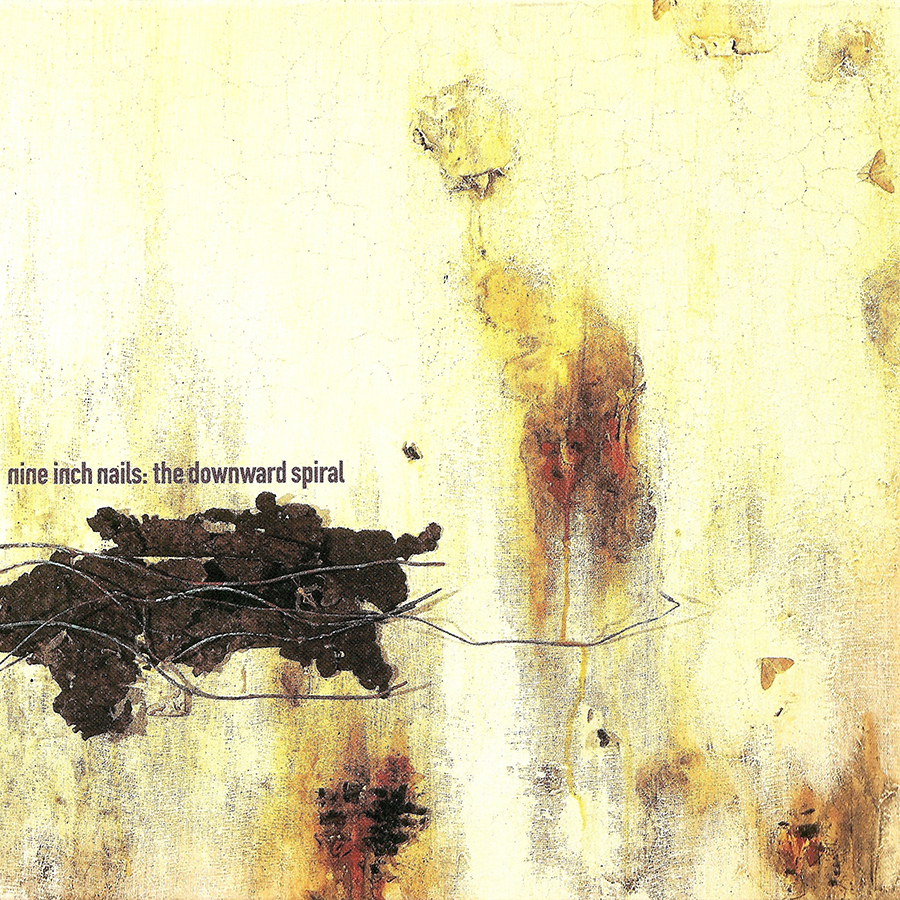
Nine Inch Nails is where the grit of the underground meets high-concept cinematic imagery. I have always been obsessed with the textures of the Russell Mills era: the decaying organic matter, the scarring and the clinical coldness of the visuals. It is about the beauty of the grotesque. The way the light hits a tarnished surface or a piece of medical equipment in this visual world is exactly how I approach a frame. It taught me that you can create a feeling of unease that is simultaneously elegant and inescapable. It is the ultimate study in “dark sophistication,” the marriage of visual violence and sophisticated art direction. Art Direction: Russell Mills.
Aphex Twin
Come to Daddy (1997)
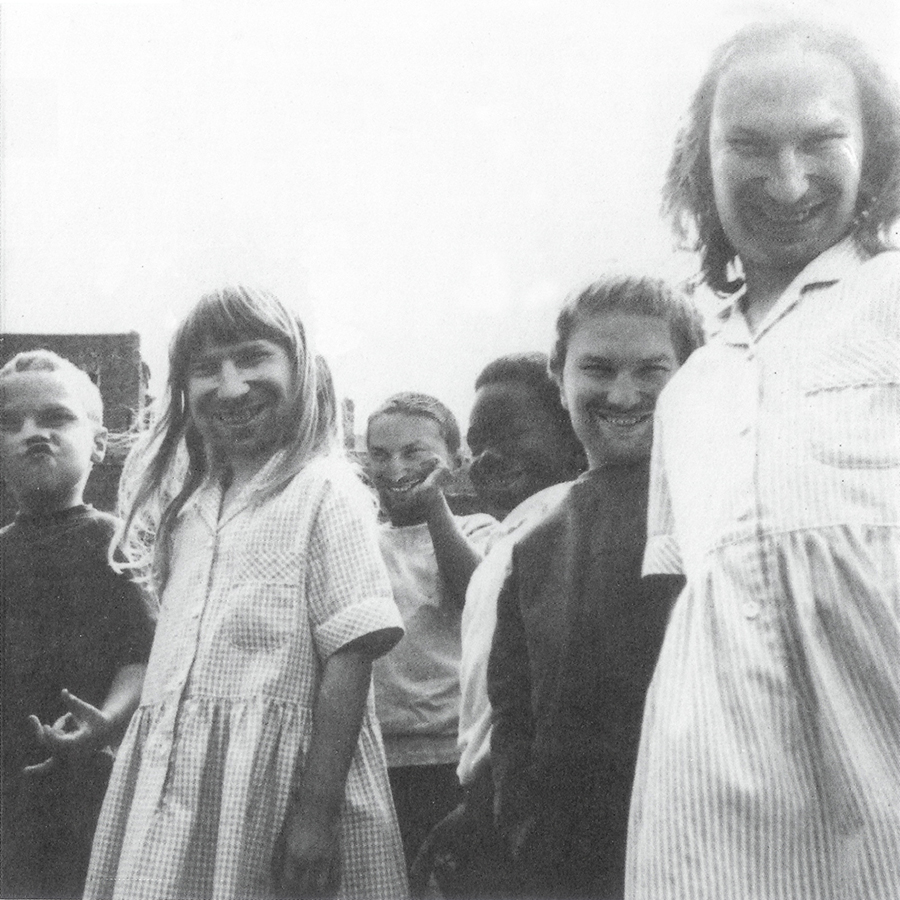
Chris Cunningham is the creator who taught me that a frame should make you lean in and recoil at the same time. The Come to Daddy era is the ultimate study in the “uncanny valley,” taking the familiar human face and distorting it into something nightmarish yet technically perfect. There is a constant tension here between the clinical and the visceral. The grainy, industrial greys of this artwork feel like a transmission from a place that should not exist. It influenced how I look at lighting a subject: not to flatter them, but to reveal the “otherness” beneath the surface. It is beautiful, grotesque and arguably the most honest visual representation of electronic music ever captured. Photography: Chris Cunningham.
Portishead
Dummy (1994)
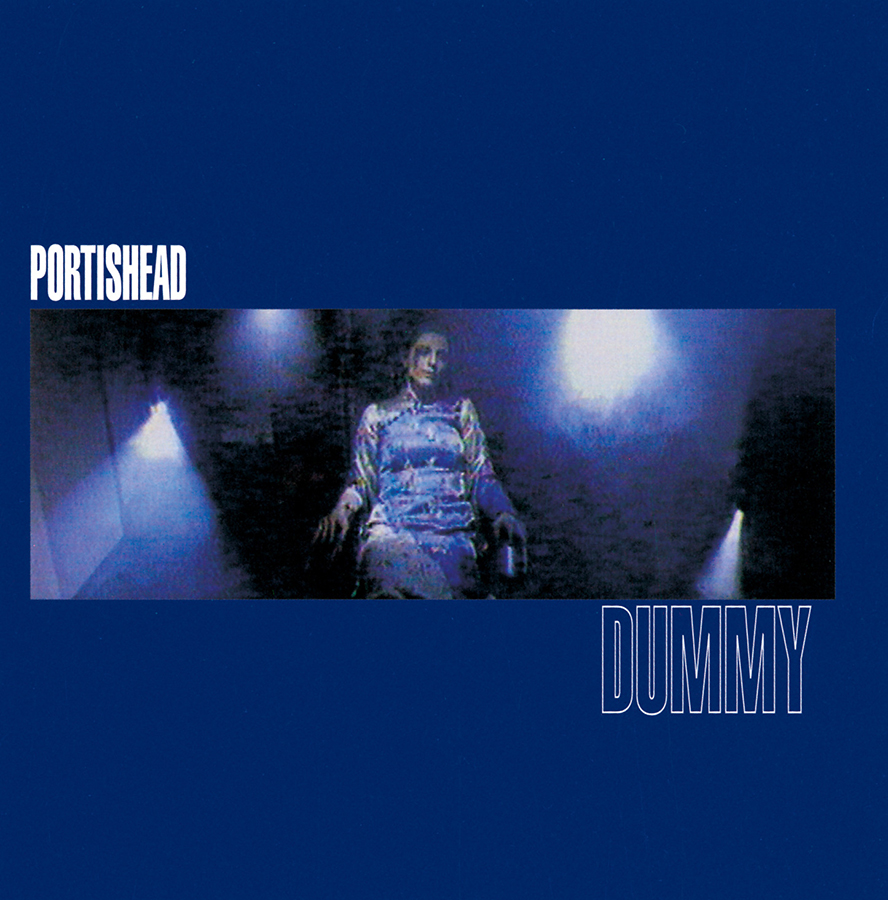
This cover feels like a lost frame from a noir film I have been trying to direct my entire life. The grain, the heavy blue cast and the sense of isolation in Beth Gibbons’ silhouette are pure atmosphere. I am constantly referencing such “lo-fi” cinematic textures. It is not about technical perfection; it is about the mood. It captures that feeling of being caught in a memory or a dream. It uses very little to say something deeply emotional. It taught me that sometimes the most powerful way to show a subject is to hide them in the shadows. Art Direction: Trevor Key and Marc Bessant.
Various Artists
Fallen Angels OST (1995)
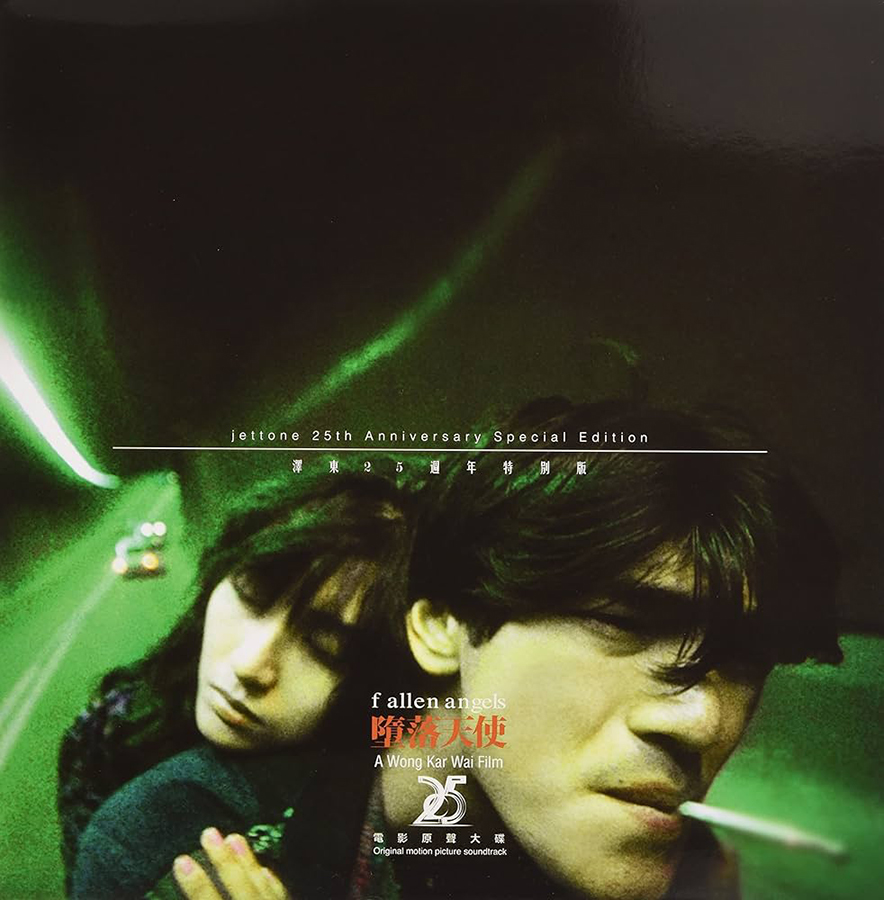
Wong Kar-wai doesn’t just direct films; he directs moods. This cover—a wide-angle, distorted still from the film—is my ultimate reference for urban isolation. It is the visual soul of the “step printing” technique, where motion blurs and time feels like it is stretching and fracturing at once. It captures the energy of a city that never sleeps, but is always lonely. It taught me that the most cinematic moments happen in the distortion: in the smear of a taillight or the grain of a night shoot. It is not just a cover of a soundtrack. It is a lesson in how to capture the feeling of a heartbeat in a concrete jungle. Visuals: Wong Kar-wai | Cinematography: Christopher Doyle.
The Smashing Pumpkins
Adore (1998)
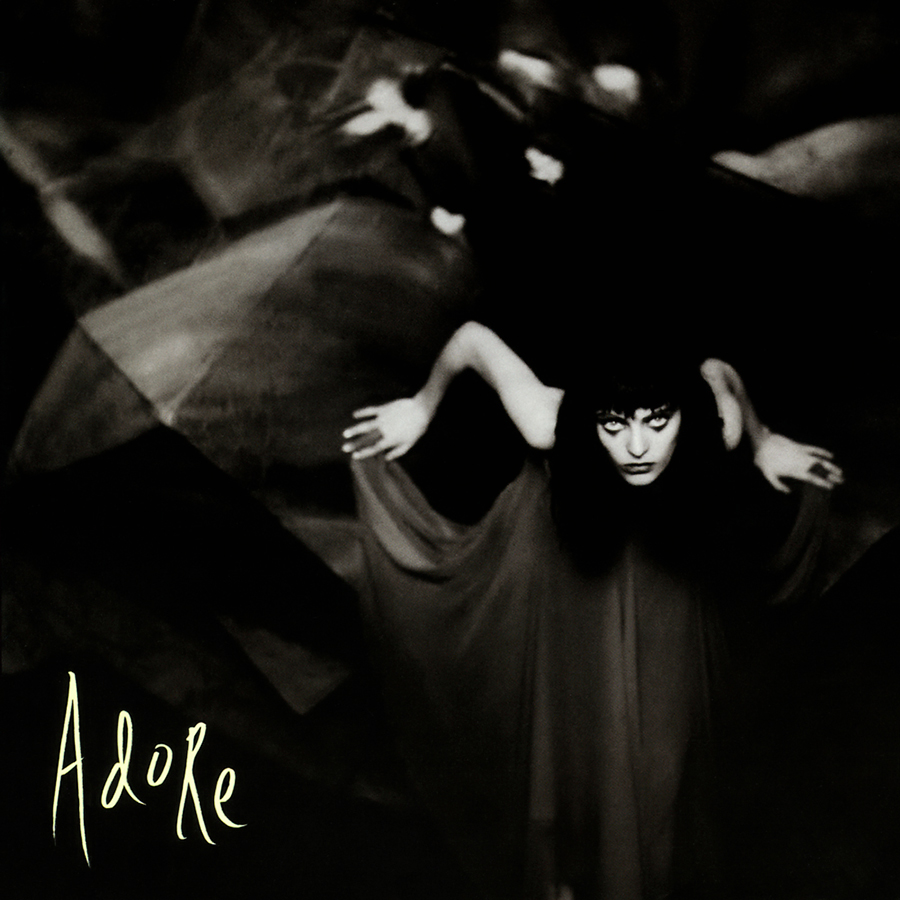
This is the ultimate “dark sophistication” cover. Moving away from the celestial collage of their previous work, Adore is a stark, black and white study in Victorian Gothic aesthetics. The photography is haunting and still, capturing a mood that feels ancient and modern all at once. It mirrors the shift in the music toward a more atmospheric, electronic hybrid sound. Drawn to ritualistic imagery, I find the composition here incredible: the high contrast lighting and the dramatic, period-inspired styling create a world that feels completely insulated from the outside. It uses a portrait to evoke a specific, lingering haunting. Photography: Yelena Yemchuk.
Pixies
Surfer Rosa (1988)
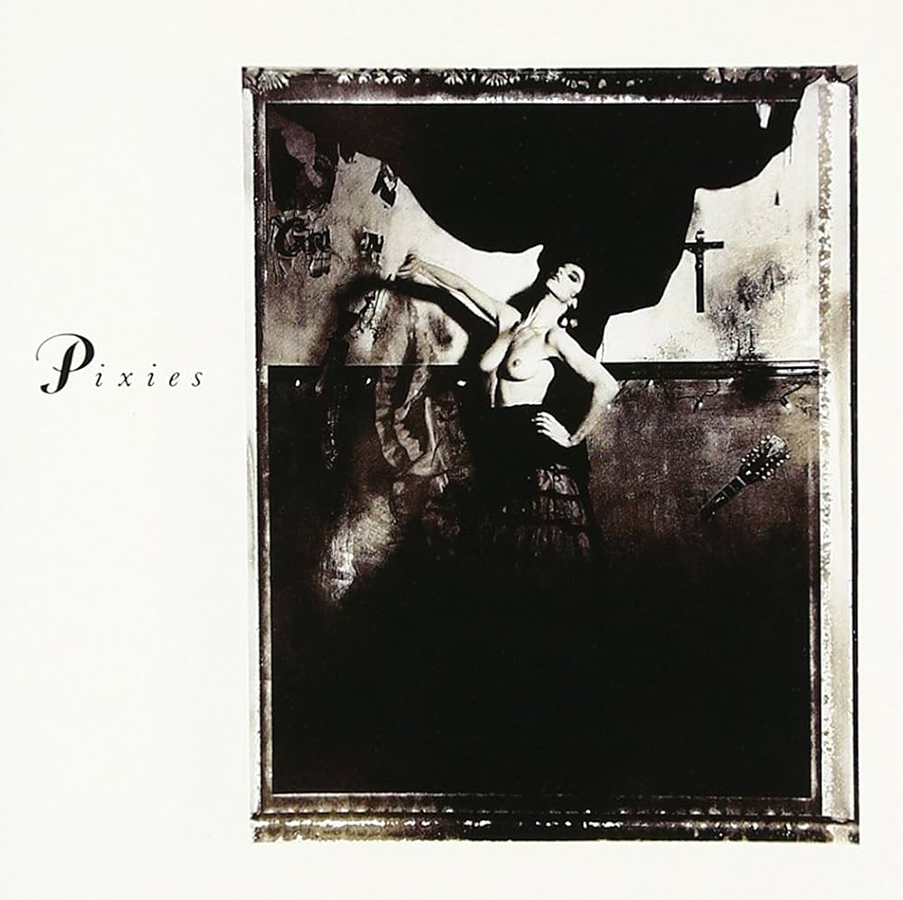
This is raw, ritualistic frequency. The image of the flamenco dancer in a decaying room, surrounded by crucifixes and torn textures, feels like a captured moment from a visceral, private ceremony. It is not just a photograph; it is an artifact of a specific, vibrating energy. It captures the exact moment where the physical body becomes a vessel for something much older and more dangerous. It taught me that an image can be a gateway, a seal that anchors the viewer in a space that is both domestic and divine. Art Direction: Vaughan Oliver | Photography: Simon Larbalestier.
Korn
Korn (1994)
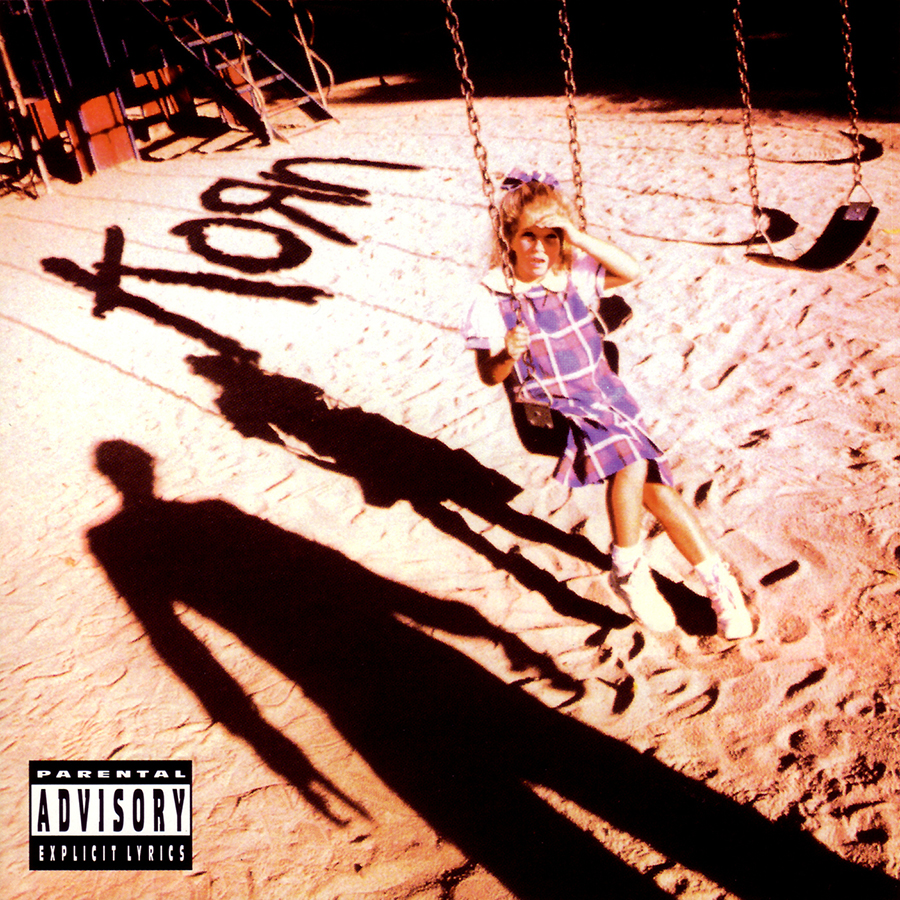
This is a study in the “hidden horror” aesthetic: the terrifying beauty of what is left out of the frame. The high-contrast, late-afternoon sun casting a long, jagged shadow over a childhood swing set is pure cinematic suspense. It is not about the figure you see, it is about the presence you feel just beyond the edge of the lens. For me, this cover captures the eerie silence of a suburban park turned into a psychological landscape. I have to give a shout-out to my friends in Korn, whose work has been a constant in my visual world and allowed me to be a part of their dark, rhythmic architecture. This image taught me that you don’t need a literal monster to create dread, you just need the right angle, a distorted perspective and the unsettling vibration of a memory being corrupted in real time. Photography: Stephen Stickler | Art Direction: Mary Maurer.
Art of the Album is a regular feature looking at the craft of album-cover design. If you’d like to write for the series, or learn more about our Clio Music program, please get in touch.