Newsletter
 Events
This Lottery Promo Unfolds Like a True-Crime Doc
BETC creatives behind the work unravel the mystery


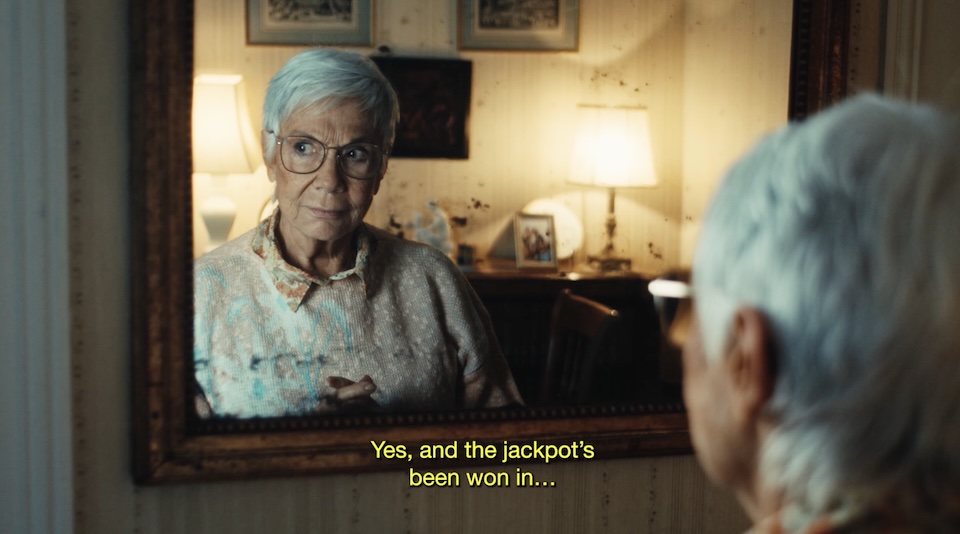
When grandma stops checking prices, replaces fish paste with lobster and claims a trip to Saint-Tropez came at a discount, her family grows suspicious.
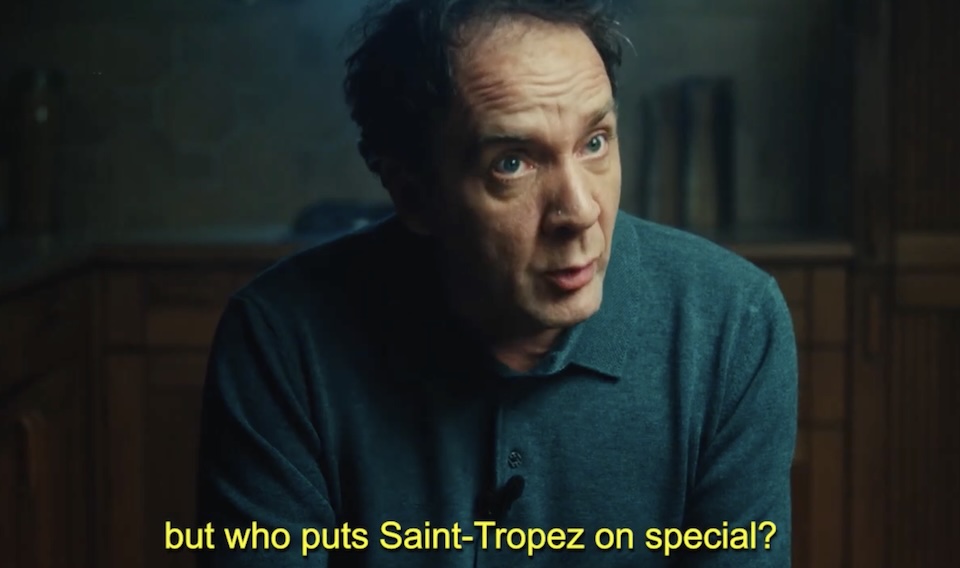
“Who puts Saint-Tropez on special?” her son says.
Did she win the jackpot? Did she?!
That’s the not-so-mysterious mystery at play in BETC’s true-crime sendup for FDJ’s bi-weekly LOTO offering.
That crew’s a tad slow on the uptake, which makes for amusing moments in the 2-minute film directed by Hafid Benamar through Sovage. It’s actually a trailer for a 15-minute podcast narrated by journalist Christophe Hondelatte. The approach evolved from popular commercials introduced in 2023 about a suburban grannie who’s suddenly flush with cash.
BETC creatives Olivier Mille and Olivier Aumard tell Muse they sought to leverage true crime “as a global cultural obsession. We’ve all become amateur detectives. We binge-watch documentaries where a grocery receipt becomes motive and a family photo becomes evidence. Every detail is loaded. Every silence is suspicious.”
That led them to ask, “What if we treated a LOTO win the same way? We tried to apply Netflix-level paranoia to a Sunday lunch. The specifically French part isn’t the true crime, it’s the setting. The ritual of the family lunch. The tiny social signals. A slightly better gift. A slightly better bottle of wine. A subtle upgrade. And suddenly, everyone thinks something is off. The twist is that the ‘crime’ isn’t murder. It’s generosity.”
The team tried to avoid outright parody and slapstick, choosing instead to combine genre conventions with visual flair.
“We needed a director who would treat the format seriously, almost reverently,” they recall. “Someone who would respect the pacing, the silence, the dramatic build-up. Hafid Benamar approached it like an investigation, not a commercial. He leaned into the codes: the slow zooms, the uneasy interviews, the dramatic sound design.”
Doing so “allowed the film to escape traditional advertising grammar and feel like a real documentary trailer. Which is ironic. Because in this case, the more it stopped looking like an ad, the more it started working like one.”
They worked from “a very precise sequence inspired by dozens of Netflix true crime trailers. We dissected their mechanics: The hook, the first seed of doubt, the escalation, the fake breakthrough, the final unsettling question.”
“But true crime isn’t about perfect framing. It’s about rhythm. The tension lives in the pauses, in the looks, in the way someone says, ‘Do you think she won?'”
In addition, the performances go a long toward selling the scenario.
“When actors fully commit to the seriousness of the format, something magical happens,” say Mille and Aumard. “They stop playing funny and The more seriously they took it, the funnier it became.”
“Some of the best moments came from improvisations that totally made it straight to the edit, like the bar owner only promoting his bar instead of answering the questions.”