Newsletter
 Events

Is It Time to Kill All the Mascots?
The answer is no. But as creatives, we need to do better


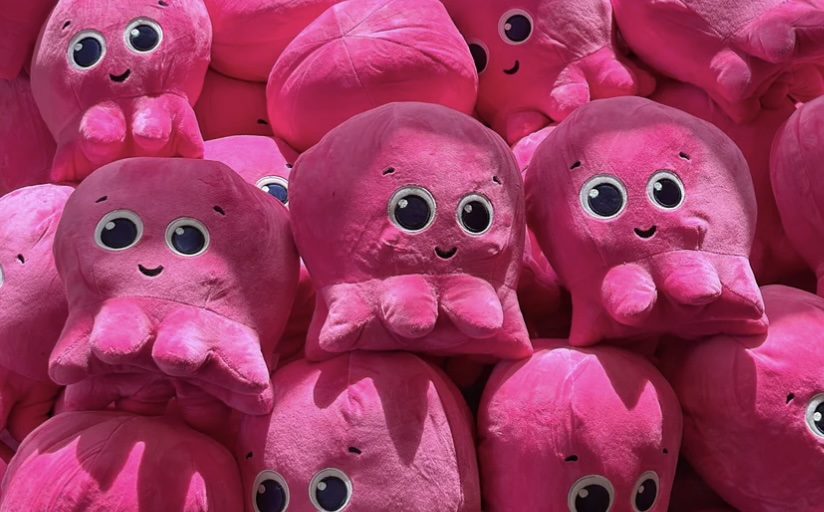
Cuddly octopi. Nodding dogs. Overly energetic bunnies. Brand mascots are everywhere, and they have been for as long as products and services have been advertised. Done well, they provide connection—a memorable and relatable human face, an endearing animal, or an amusing animation—for an otherwise faceless brand.
Yet too often, mascots are used without thinking. They’re seen as a shortcut for linking with an audience. At best this is a short-term investment; at worst it’s harmful to the brand. As 2026 starts, the creative industry should resolve to stop defaulting to mascots.
Maybe it’s time to kill them.
Mascot winners and losers
They’re not new. Initially used on packaging, they moved onto ads, and now they’re ever-present in social feeds. Tony the Tiger, the Michelin Man, Pilsbury’s Doughboy—mascots have been the foundation of the success of those brands, and of many more.
They do well in sports, often serving to attract children to teams and events. One of the most famous was Waldi, the Otl Aicher-designed dachshund that symbolized the 1972 Olympic Games. Every Games since has rolled out a new mascot character.
Yet, they’re not always successful, as anyone who remembers Microsoft’s ill-fated attempts to bring chirpy personality to its software with Clippy will attest. The animated paperclip from the ‘90s popped up at moments of maximum frustration, cheerily promising to “help.” It quickly became synonymous with problems that plagued the product.
Missed opportunities
However, this is an extreme example of a mascot causing damage to a brand. More often companies introduce mascots copying a market leader that has enjoyed success. This imitative approach to branding rarely succeeds.
Look at the U.K. energy market. In 2019, Octopus Energy introduced Constantine, a cuddly pink octopus. By 2025 it had become the largest energy supplier in the U.K. and was growing into Europe and Asia. The result? Almost every other British energy company has now introduced a mascot. The sector has become a crowded jumble of over-excited, colourful characters competing for attention. Many companies have spent significant sums on their mascots with questionable effect.
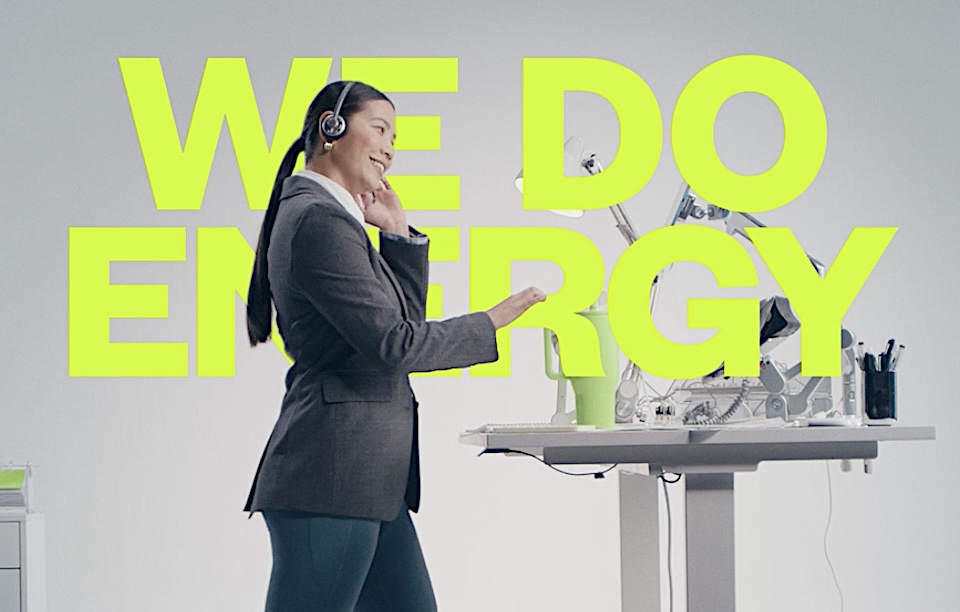
When rising firm So Energy asked us to update its identity, we avoided the mascot route. Instead, we developed a strategy, identity and communications that speak in a striking way to the issues facing energy buyers today. It reframes energy as bringing everyday joy, as opposed to a necessary chore. We used with a distinctive “Electric Yellow” palette, geometric iconography and a playful, straight-talking tone that stands out in the sector.
A New Year’s resolution
Energy is not the only industry where this is happening. Too often, the success one company has had with a mascot is slavishly followed by its competitors. Resources are wasted. Opportunities to build brands for the long-term are missed.
It’s up to us in the creative sector to lead our clients away from this. We know there are myriad other, often more powerful, tools at our disposal to achieve the connection and memorability our clients want when they come to us asking for a mascot.
We may not really want to kill the mascots. Indeed, some of them are undeniably successful and many are also quite cute. But let’s make 2026 the year we stop unthinkingly making them. Rather, let’s start giving our clients the creative solutions they deserve.