Newsletter
 Events

VML's Christina Miller Believes, 'Winners Won't Control the Narrative—They'll Orchestrate It'
As integration accelerates, distribution and creative are one and the same


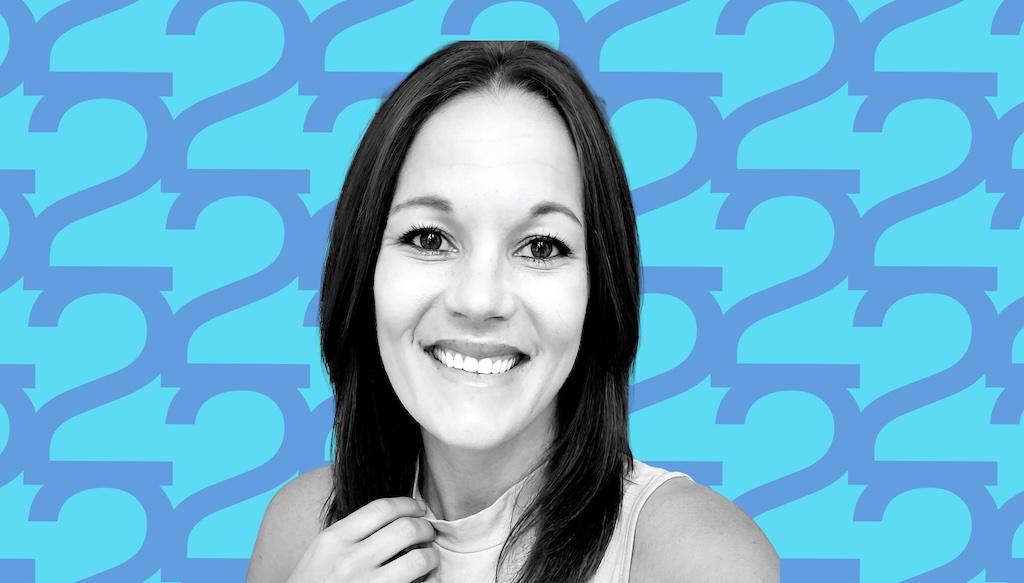
“The best creativity is participatory, not broadcast,” says Christina Miller, chief social officer at VML EMEA. “If a brand idea is so rigid or precious that an audience can’t remix it, co-author it or play with it, it’s an artifact, not a modern campaign.”
She believes the traditional Agency → Media → Audience model is effectively dead. “Today, distribution and creative are the same thing. Brands no longer own their narratives; at best, we orchestrate them alongside communities. If your creative can’t survive reinterpretation, it’s not a big idea.”
Christina joined VMLY&R in 2012 as one of the first team members in the social department. Over the past 14 years, she has helped craft award-winning work across a variety of categories—from quick service restaurants (for Wendy’s) and luxury automotive (Jaguar) to CPG (Coca-Cola and Nestlé).
We spent a few minutes with Christina to learn more about her background, inspirations and on team building.
What’s one thing people misunderstand about your role?
They think I spend all day making TikToks or approving Instagram captions. In reality, my job is building the operational models that change how massive global businesses actually run. Social isn’t a “department” or a post-production add-on anymore. It’s the core engine driving modern business transformation. Though I will still judge your choice of trending audio.
What cultural shift are marketers underestimating?
The death of the traditional campaign lifecycle in favor of the creator-led network effect. We used to go: Brand → Campaign → Attention. Now it’s: Brand → Creator Network → Community → Participation → Attention → Culture. Marketers are still treating creators like glorified billboards (amplification) when they should be using them as strategic co-creators from day zero. If your distribution strategy isn’t shaping the creative idea itself, you’re already shouting into the void.
What’s one tool that changed how you work?
Generative AI, without question. If you ask me next week, the specific platform name might change—the tech moves daily—but AI’s impact on how fast we move from a raw insight to a fully formed concept is wild. It hasn’t replaced the human spark, but it’s eliminated the lag between “what if?” and “here’s what it looks like.”
Do you have a favorite productivity shortcut?
Leaving my desk. I am notoriously terrible at saying “no” to people, so my ultimate shortcut is stepping away entirely. A brisk 20-minute walk in the fresh air does more to untangle a complex client brief or hammer through a strategic roadblock than sitting in front of a screen aggressively staring at a cursor ever will. Movement is my real shortcut—turns out oxygen is great for creativity.
What’s a newsletter, creator or account everyone should follow?
The Best One Yet podcast. The hosts break down business news into 20-minute daily bites that are ridiculously funny, sharp and light on corporate jargon. If you want to understand how macro-business trends, consumer behavior and modern culture intersect—without wanting to fall asleep into your morning coffee—it’s essential listening.
Tell us about a recent project you’re proud of.
KitKat’s “Heist,” which took home the PR Grand Prix at Cannes. When 12 tonnes of KitKats were literally stolen, traditional PR playbook logic said: stay quiet, minimize damage, move on. Instead, we rewrote the rules of crisis comms. We launched the “KitKat Tracker” and enlisted what felt like the entire internet to help track down the missing chocolate. This turned a potential commercial loss into a $224 million earned-media moment in just 10 days. It proved that when you have decades of brand equity, you don’t just manage a crisis—you orchestrate it with your community and turn it into culture.
What was the last campaign that made you think, “I wish I made that”?
Pretty much anything Liquid Death does, but specifically their latest madness with MrBeast—like putting a $50,000 “murder luxury” fridge full of water inside a MrBeast video and letting the internet lose its mind. They took plain water—the ultimate commodity—and turned it into a cult brand through extreme self-awareness, creator integration and dark humor. They don’t interrupt culture or beg for attention. They plug directly into creator ecosystems and let the chaos ensue. It’s radical, ridiculous and brilliantly effective.
Your main strength as a creative person?
Empathy. In an industry obsessed with algorithms, metrics and hyper-optimized tech, it’s easy to forget that culture is built by human beings. Understanding what actually makes people laugh, cry or feel understood—and genuinely caring about the humans on the other side of the screen—is the best creative tool there is. Turns out, kindness and basic human empathy can get you remarkably far, even in advertising. (And yes, that counts as a business strategy.)
You’ve got 2 minutes with the industry … What’s your hot take?
In the next 18 months, we need to stop saying “creator marketing,” “social-first” or “influencer strategy.” It’s all just Marketing. Creators aren’t a line item in a media plan; they are the bridge between brands and modern culture. The real shift isn’t hiring more influencers to post your campaign—it’s adopting a creator mindset across your entire business. Launch to learn, iterate weekly, obsess over audience insights and build platforms, not ads. If your PR, CRM, commerce and R&D teams aren’t operating with a creator-led approach, you’re not building for where attention actually lives. The winners won’t control the narrative—they’ll orchestrate it.
2 Minutes With is our regular interview series where we chat with creatives about their backgrounds, creative inspirations, work they admire and more. For more about 2 Minutes With, or to be considered for the series, please get in touch.