Newsletter
 Events


Growing Up in a Military Family Gives Anne Marie Dougherty a Special Perspective on Helping Veterans
Guiding the Bob Woodruff Foundation on its expanding mission across healthcare, housing and more


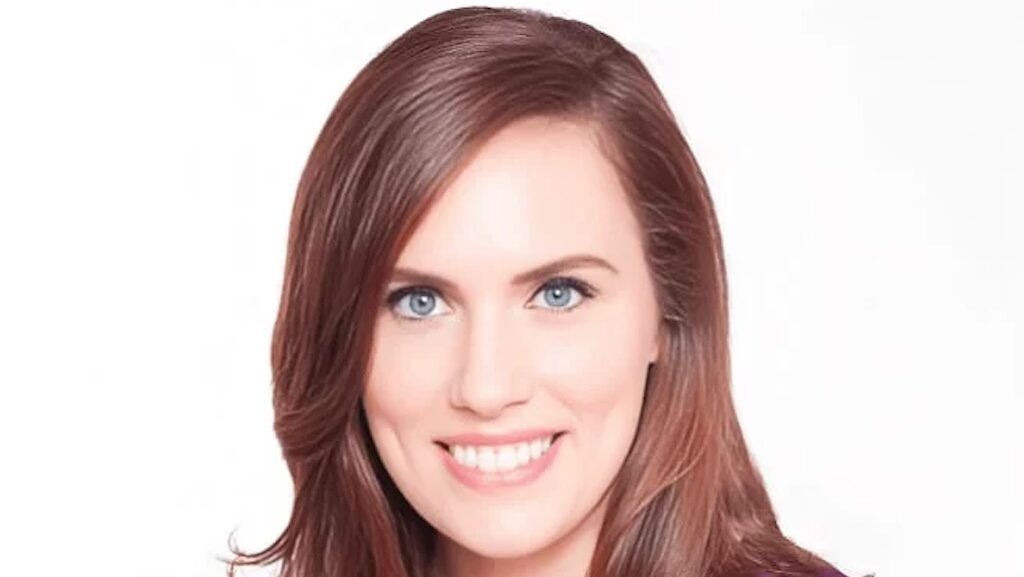
Anne Marie Dougherty is exact in her words when asked what her greatest accomplishment for the Bob Woodruff Foundation:
“Helping take a very painful tragedy and shape it first into inspiration and eventually into a mission with real outcomes is a responsibility I don’t take lightly. I’m proud of what we’ve created and the lives Bob has affected in the aftermath of what happened to him [the journalist was severely injured while reporting from Iraq]. While we’ve grown in size and in reach over these last 20 years, our spirit and what makes Bob and his family who they are hasn’t changed a bit. Helping to lead that evolution without sacrificing what we’re all about is something I’m really proud of.”
Anne Marie serves as chief executive officer at the organization, one of America’s largest nonprofits dedicated to the lives of veterans, service members and their families. She has been with the foundation since 2008. The foundation has funded nearly a quarter-billion dollars in veteran healthcare, housing and employment services since it opened its doors.
We spent a few minutes with Anne Marie to learn about her background, inspirations and how AI is creating a new wave of philanthropists.
What does it mean to you to be CEO of the foundation—I believe you are the daughter and granddaughter of veterans?
As someone whose family was shaped by military service, I have the extraordinary honor of coming to work every day and applying my experiences and passion to issues that are deeply personal to me. From housing and homelessness to caregiver support and mental healthcare access, our team finds, funds and scales programs that make a huge difference in the lives of those who have given our country so much.
Was there an “a-ha” moment that made you realize what you wanted to do?
I was graduating college and my eventual husband was on a path to deployment with the Marines around the same time Bob was wounded and beginning his long road to recovery and to building the foundation. I remember seeing Bob’s story and immediately gravitating toward helping however I could. It felt like I was exactly where I was supposed to be. And that hasn’t changed. I’m just as inspired by our mission now as I was 18 years ago when I started at the foundation.
How has the foundation changed and grown in that time?
It was a kitchen-table operation back then, and now we will deploy $20 million a year in resources for veterans. I’ve been doing this through three wars, a global recession, a global pandemic, the end of a war in Afghanistan, the start of one in Iran and the largest expansion of veteran benefits in a generation. We’ve had to change how we work to meet our mission. We went from a foundation that made grants to a foundation that builds infrastructure. Brick by brick, we built the largest network of veteran service providers outside the VA, our 515-member Got Your 6 Network. We’ve invested $228 million in programs and services, from mental healthcare to housing and legal aid.
Tell us about the Got You 6.
It’s our grantee network of 515 best-in-class organizations that deliver everything from mental healthcare to disaster relief to legal aid and shelter. We find and fund the best programs and we use that scale and expertise to close gaps in veteran support and to scale ideas that work—2.3 million Americans get support from one of these organizations. And we’re not stopping there. We have a plan to get to 2,000 organizations over the next couple of years.
What’s the last great book, article or video you consumed?
I just got a copy of General George Casey‘s Leadership Matters! Succeeding in Our VUCA World. Gen. Casey talks about leadership and focus at a time where the world feels uncertain and the stakes of meeting our mission have never been higher. I admire how generous he is with what he’s learned by leading men and women in some of the world’s most dynamic, high-pressure situations.
What’s an example of your collaborative style and how that translates into success for the foundation?
Our ability to raise money drives everything we do. Our donors come from all walks of life, from the NFL to a family office to an individual mailing us a small monthly check. While their shared concern is for the wellbeing of our veterans, each donor has different interests and roles they would like to play in our community. It’s my job to match those contributions and skills with a wide variety of veteran support needs. That takes thoughtful collaboration among our fundraisers and the people on our team who are out in the field finding and shaping program delivery in communities all across the country.
Tell us about a recent project you’re proud of.
We recently brought together our Got Your 6 Network under one roof in San Francisco: 245 organizations from 44 states serving veterans in big cities and in some of the most rural communities in America. Peer leaders on the front lines, business leaders, tech executives—and Bob hosting a conversation on how we tell the veteran story. We blocked off much of the day for people to meet each other, because that is the whole point of being a Network. We’re hosting a symposium in New York for an idea that is central to how we see the future. Veterans and military-connected families are not a niche population. They are a highly skilled, untapped workforce for the nation’s economy, now and for decades to come. These two projects require lots of planning time and team energy, but they’re key to how we organize and empower our network.
How has your lived experience shown up in your work?
Coming from a military family gives me an added dimension of perspective. I know how hard service is not only on the person wearing the uniform, but on the family around them. On the caregivers. I know how hard the civilian transition is. I try to take my experiences and blend them with data and research and the stories of others when we are making grant decisions or figuring out how to scale something that’s promising. The results aren’t just bottom-line figures to me. They affect the lives of people I truly feel like I know.
You’ve got 2 minutes with the industry. What’s your hot take?
AI is creating a new wave of powerful philanthropists almost overnight. We in the nonprofit world need to be in a position to capitalize on that wealth creation and make sure that giving to veteran service organizations is at the front of the line of worthy causes. Supporting our veterans, service members and their families is how we keep our country safe. There’s a role for AI in that.
2 Minutes With is our regular interview series where we chat with creatives about their backgrounds, creative inspirations, work they admire and more. For more about 2 Minutes With, or to be considered for the series, please get in touch.