Newsletter
 Events

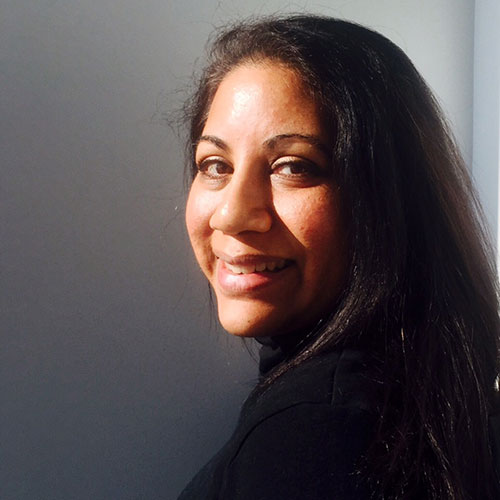
Conscious Minds' Chris Kitahara Spends Less Time Debating, More Time Trying Stuff Out
'We're numb from performative positioning, digital junk, AI, minimalism and playing it safe'



Chris, an ECD and associate partner at Conscious Minds, recalls that his client Starbucks was reeling not long ago and needed to get back to basics. That meant serving fans, leading culture and showing up like the iconic brand people know and love. The job was to outpace an echo chamber of neutral and negative sentiment by giving the brand’s biggest fans something real. Specifically, that meant bringing back the Unicorn Frappuccino at Coachella and introducing limited-edition merch like the Bearista. “We reached new audiences through sports: the Super Bowl, the Olympics, the World Cup. And we reminded people the brand still leads the category, turning seasonal launches into events and new products like Protein and Energy into cultural conversations.”
In recent months, this “Back to Starbucks” initiative helped re-establish the brand as the world’s local coffeehouse—and delivered the company’s first simultaneous top-and bottom-line growth in more than two years.
We spent a few minutes with Chris to learn more about his background, inspirations and his thoughts on the industry.
What creative hill would you die on?
The worst thing you can do is nothing at all. Momentum is underrated. It’s not about making more. It’s about getting in a rhythm and serving your audience. Spend less time debating things and more time trying them out. When teams do that, they develop work that matters, and they do it faster. You’ll immediately see who loves your brand and what they love about it. Over time, those insights earn compounding interest that your team can then use to take bigger risks and create more impactful work. Try something. Anything. Learn, recalibrate, then go big.
What trend is shaping culture right now?
Anything real. Authenticity. Intentionality. IRL activations. Analog experiences. Unpolished formats. Organic materials and textures. We’re numb from performative positioning, digital junk, AI, minimalism and playing it safe.
Which brand is doing the best job of building community right now?
Most of the ones that come to mind are founder-led—Rhode, Satisfy, Jacquemus. If we’re talking about corporate brands at scale, I like the consistency of Diet Coke, e.l.f., Ikea, and last but certainly not least, our friends at Starbucks.
Why do you believe the most effective marketing creates ideas people want to participate in and respond to rather than just consume?
Because they’re more fun. We’re so isolated inside our own algorithms that we grab connection anywhere we can find it. Participation keeps our attention and makes us want to come back. Even if that participation is us simply sharing a video with a friend.
Why has experiential become a natural extension of social and so critical to the marketing mix?
Experiential works best for brands that see their audience as fans. We often say that social is the front door to your brand. That’s where audiences will first enter and engage with your world and the characters, communities and stories that exist there. IRL experiences are a great way to dimensionalize that fandom.
You support the idea that the best social work starts with a human truth, not a platform trend. Can you expand upon this?
All great work starts with a human truth. Social is just another vehicle for it. Trend-based executions travel on social, but they often don’t move brand KPIs. Ideas rooted in a human truth have a better shot at moving the needle, but might not travel far enough to earn it. The best work earns its way into the conversation and positively shifts perspectives over time.
What’s overrated in marketing right now?
AI. Don’t get me wrong. It makes a lot of things faster, and we can do more with it. But when everything is wrapped in it one way or another, it starts to feel like “ick.” AI will never replace teams that lead with purpose, POV and relatability.
Your main strength as a creative person?
Curiosity. It’s the whole thing. I’ve always wanted to try new things and understand how they work. I grew up working with my dad in his commercial photo studio, went to film school, interned at agencies and photo studios in Chicago. I opened a few businesses of my own, all before content became a big thing in advertising. For a while I thought my wide range of interests held me back—jack of all trades, master of none. Now I realize it’s given me the range of tools needed to move at the speed we do today. And it’s pulled me toward more people, more insights, more ways to execute than I’d ever find staying in one lane.
You’ve got 2 minutes with the industry… What’s your hot take?
Don’t take things too seriously. Have a point of view and have fun sharing it. Do that and you stop chasing everyone. Instead, you focus on the fans who already love you. You give energy, you get energy back. That works in the market and it works on your team.
2 Minutes With is our regular interview series where we chat with creatives about their backgrounds, creative inspirations, work they admire and more. For more about 2 Minutes With, or to be considered for the series, please get in touch.