Newsletter
 Events

A Traumatic Episode Made Ivy Hall Dispensary's Jonny Boucher a Cannabis Advocate for Life
Looking to the bigger world—not competitors—for inspo


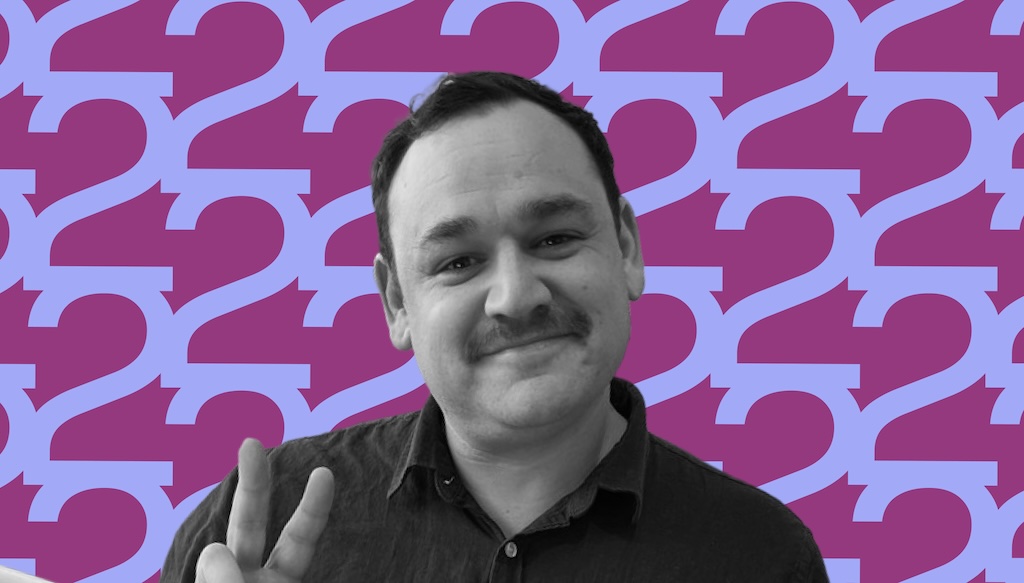
Jonny is the director of marketing at Ivy Hall Dispensary in Chicago. He founded Hope For The Day, a global nonprofit for proactive suicide prevention, and Sip of Hope, the world’s first coffee shop where 100 percent of proceeds fund mental health. He came to cannabis through a PTSD diagnosis in 2018. That colors everything about how he thinks about brand storytelling.
With 20 years across cannabis, CPG, food & beverage, music and apparel, he builds marketing around community experience, looking to hospitality and craft brewing for inspiration, not other dispensaries.
We spent a few minutes with Jonny to learn more about his background, inspirations and how he feels about the healing power of cannabis.
Where did you grow up and where do you live now?
I grew up in Long Grove, a little small town in the northwest suburbs of Chicago. Now my wife and I live happily on the southwest side of the city.
How did you get interested in cannabis?
It started with my Uncle Dave going through chemo. I’d always known about cannabis but wasn’t consuming it. Watching him in the final stages of his life and seeing the medicinal benefits changed my mind completely. This wasn’t just my friends getting high; there was a real use for this thing. When I got to Columbia College of Chicago, I realized that cannabis helped me in ways nothing else had with my ADHD. I became a straight-A student—it became my secret weapon. Then in 2018, I was diagnosed with PTSD after almost getting shot during a gang shootout outside my house. Cannabis became the key to unlocking the scary stuff that was holding me back. I got my med card that same year and became infatuated with the plant because it was truly saving my life. That’s what pushed me to eventually bring my skill sets to this industry.
Talk about a recent project you’re proud of.
The infused food series is something I carry with me every day. We started with one of the largest infused pizza projects in the city, then infused pastrami sandwiches, donuts and more. That scrappiness is our secret sauce, because regulations don’t allow us to do everything the big brands do. So, we think differently. The infused pizza got major coverage. Having the bigger marketing world look at cannabis was a real goal achieved. The Guardian covered our National Pastrami Day activation. We did it in a blizzard and still served over 150 people. Because experience is the number-one reason our top customers keep coming back, not promos, not selection. When they go tell their friends, that’s the best marketing we could ever ask for.
Can you describe the biggest challenge cannabis marketers face today, and how to approach it?
There are hurdles and roadblocks, but I’m a firm believer in finding a path to yes. We don’t look to competitors for influence; that’s pointless. We look at the bigger marketing world, brands without our guardrails. And sometimes you have to ask for forgiveness instead of permission. Take risks. Nobody had heard of an infused pastrami sandwich before we did it.
What’s one thing about how the cannabis industry is evolving that you’re excited about?
Rescheduling. It continues to break down walls, whether it’s stigma, overregulation, or being classified alongside very hard drugs. It doesn’t just normalize cannabis; it makes it more welcoming. In Illinois, we’ve got drive-throughs, extended hours, and increased purchase limits coming. And watching my own father, who had a spinal cord injury, choose a CBD and CBG edible over a heavy painkiller, especially knowing his own brother went down the road of pharmaceutical addiction after an injury, that’s everything to me. That’s what rescheduling really means. More people are getting a different option at the table.
How did Hope for the Day and Sip of Hope come about?
Hope for the Day started after I lost my boss, Mike. He had everything: the penthouse, the Range Rover, the beautiful wife. One day, he jumped off that rooftop. He never talked to anyone about it. I’ve now personally lost 18 people to suicide. What I kept seeing in the mental health space was: If you’re depressed, call this number, and have your insurance ready. So, we built Hope for the Day around one message: It’s okay not to be okay. Just a conversation starter. From there it grew through collaboration and great partners—Live Nation, Ticketmaster, Lululemon and the American Dental Association—because that message resonated.
Sip of Hope came from wanting to get the Suicide Prevention Lifeline a bag of coffee at Whole Foods. They asked who was roasting it, so I went to my friends at Dark Matter Coffee and made it real. That grew into a coffee shop where 100 percent of proceeds go to mental health education and suicide prevention, creating unrestricted funding so we could keep doing the work without being bound by grant parameters. I’ve been removed from the organization for five years. It’s still there. That’s the beauty of creating something for others.
What’s your main strength as a marketer/creative?
Creating what I don’t see in front of me. I wake up every day looking for the thing that doesn’t exist yet but should, and I go make it. I have no desire to do it any other way, because anything else is just boring.
What would you be doing if you weren’t working in cannabis?
Creating something for the community—that part doesn’t change. I’d be solving a problem and figuring out how to make it better. Not better for shareholders or myself, but better for people. “See something, say something” is tattooed on my left hand for a reason.
2 Minutes With is our regular interview series where we chat with creatives about their backgrounds, creative inspirations, work they admire and more. For more about 2 Minutes With, or to be considered for the series, please get in touch.