Newsletter
 Events
Gut Punch: What a Baby Monkey Teaches Us About Impactful Content
4 ways to move the needle


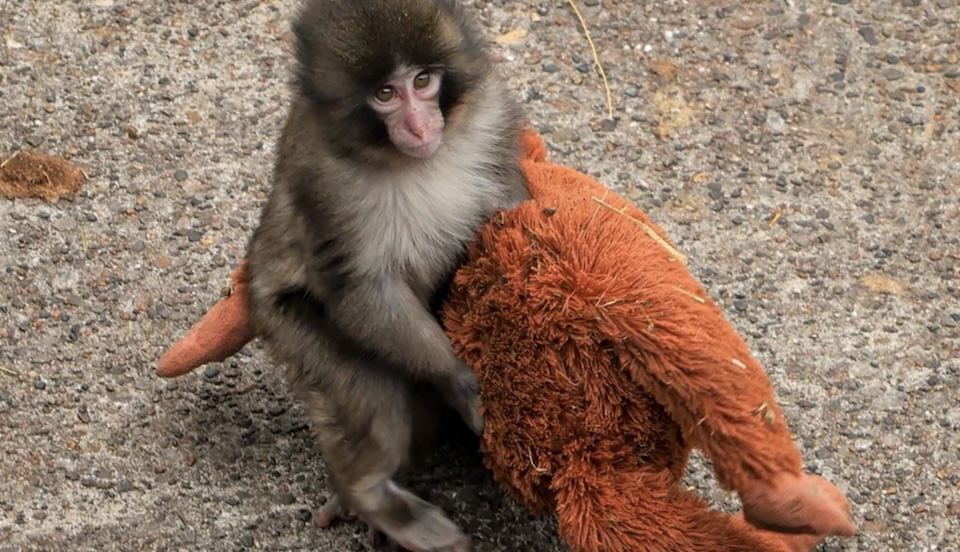
I’ve spent my career at the intersection of “dumb” internet culture and “smart” technology. I was a creative director during the peak of the “Lolcat” era. More recently, I’ve watched memes evolve from grainy, MS Paint “slop” to hyper-polished, AI-generated fever dreams.
But a tiny Japanese macaque named Punch recently reminded me that in our rush to automate creativity, the goal isn’t just more content—it’s more meaning. In a world of ubiquitous “make-believe” (anime obsessions, faux reality TV, immersive video games), consumers crave something real.
Punch didn’t go viral because of a high-spec render. He went viral because he was abandoned by his mother and found comfort in a $15 Ikea Djungelskog orangutan he adopted as “Ora-mama.”
As brands look to use AI intelligently, Punch offers four vital lessons on how to tie social content back to the real-life events that move the needle.
Narrative Beats Production Values
Punch’s fame didn’t come from a 4K nature documentary. It came from a story of rejection and resilience. The Ichikawa City Zoo didn’t just post “cute” photos. They specifically asked the public to “support Punch’s effort” as he integrated with older, aggressive monkeys. They gave us a hero’s journey. AI is a tool to amplify the story, not replace it. A messy narrative of a monkey and his surrogate is more magnetic than a million perfect, story-free pixels.
The High Stakes of Reality
We care about Punch because he is vulnerable. There are physical stakes when he interacts with his troop; it’s a high-wire act of real emotion. This is exactly why “digital resurrection,” like the AI-generated voice of Anthony Bourdain in Roadrunner, sparked such a fierce debate. Stakes vanish when your subject is a prompt puppet. AI shouldn’t replace the struggle. Rather, it should amplify its IRL impact.
First Come, First Served
Ikea didn’t wait for a six-month brand strategy. They leaned in immediately, declaring on social: “We’re ALL Punch’s family now.” By the time a traditional agency would have finished a mood board, the $15 plushie was already reselling for $300 on eBay. This is where AI shines: giving brands the tools to participate in a cultural heartbeat in minutes, not weeks.
The Cuteness ROI
“Cute” is a powerful economic engine, especially when it’s tied to a real-world anchor. People are emotionally adopting Punch, referring to him as “my son.” AI is remarkably good at generating charm. But it needs that tangible, real-world connection, like a physical toy, to drive real ROI.
The Bottom Line
Simply cranking out hundreds of AI-generated memes won’t save your brand. In fact, flooding the zone will likely alienate your audience. Bad art is good for creativity as an experimental phase, but it isn’t the destination.
The goal isn’t to create slick, frictionless content simply because you can. The goal is to use AI to participate in the messy, high-stakes reality of being human. Stop using AI as a surrogate “Ora-mama” for real life.
Start using it to connect with your community. They’ll love you for it.