Newsletter
 Events
General Motors' 'Crafting the One' Nabs a Grand Clio for Music Innovation
They reimagined an Elvis track for the cinematic spot


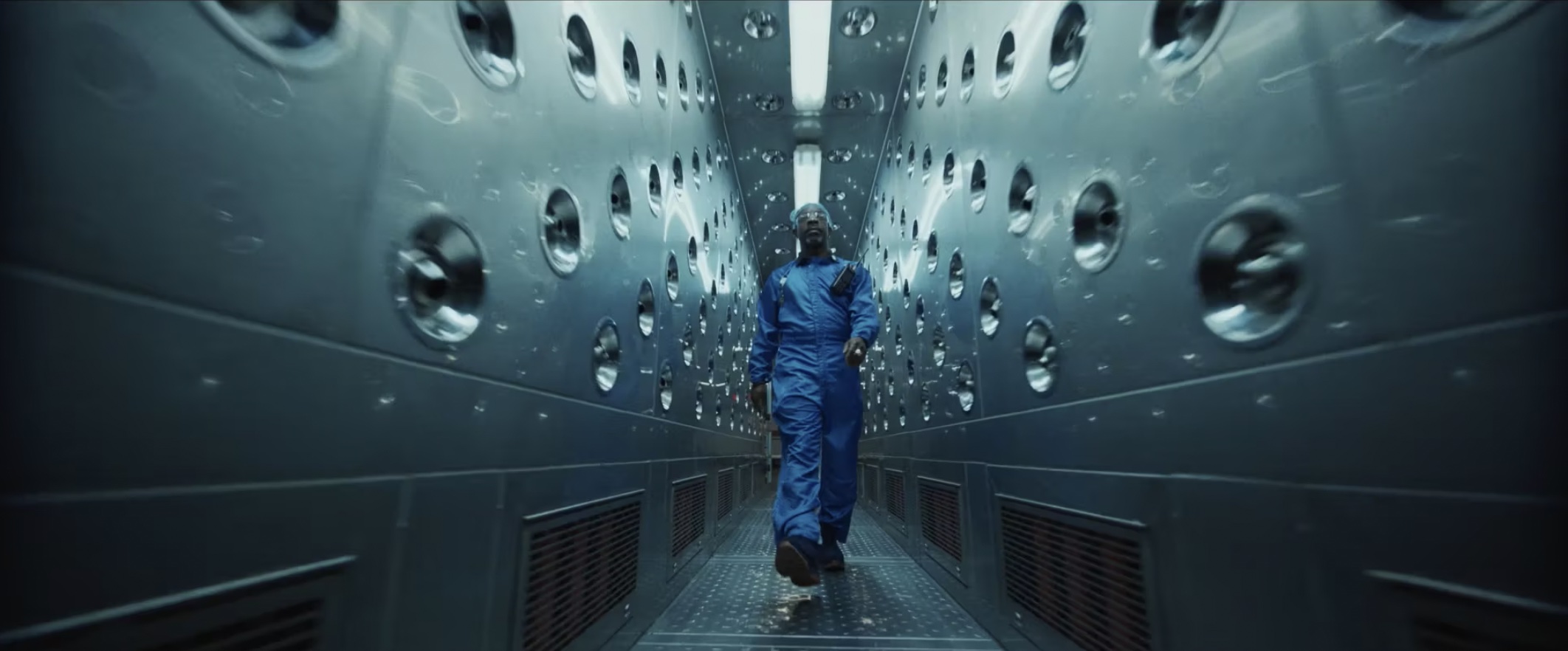
Last night, General Motors’ short film “Crafting the One” was honored with a Grand Clio for Music Innovation. The project celebrates GM’s manufacturing process, with a version of the Elvis Presley classic “If I Can Dream” cleverly broken down and reassembled, with elements of the song representing specific stages of vehicle production.
Here, Nick Maker, head of music supervision & artist partnerships at The Elements of Music, delves into the making of this exceptional track:
MUSE: Why was this an exciting creative assignment?
Nick Maker: This was one of those rare projects that really checked every box: an iconic song and artist, a genuinely original creative idea from the Droga5 team and a seriously high level of technical execution required to bring it all together across music, shoot and edit.
What made this one especially compelling was how simple the idea felt despite never really having been done before. We broke a song apart and used each element to represent a stage of a manufacturing process. It wasn’t just a creative approach to music. It also invited you to think about the craft and refinement that goes into making anything and how closely that can mirror an artistic process like writing a song. As director Jovan Todorović put it on an early briefing call, “The building of the car isn’t scored by the music. It is the music.”
From the jump, we were all thinking: “If we can pull this off, this is going to be something pretty special.”
Why was the Elvis tune the best choice?
This project kicked off with a search helmed by Droga5’s Mike Ladman and Mara Techam. Long before we ever had picture, we actually applied the same creative process to a number of different songs, breaking them down and exploring how they might be rebuilt in a way that could support the concept.
“If I Can Dream” ultimately rose to the top for a few reasons. First, Elvis is one of the most enduring American cultural icons, which made him a natural fit for a legacy American brand like GM. From a practical standpoint, unarchiving the Royal Philharmonic session gave us this rich, expansive orchestral arrangement, with enough instrumentation to meaningfully represent every stage of the manufacturing process. And then there’s the song itself: the stirring lyrics, the powerful build and that unmistakable vocal all came together in a way that carried the emotional weight we needed.
Can you take me through the process of dissecting the song and determining which parts would best represent work on the factory floor?
We started with a deep dive into the arrangement, cataloging each instrument and musical element and listening to each part in isolation, discussing the kind of movement or energy it suggested. We replayed any stems that needed additional clarity so that Jovan and the team would be armed with a clear reference going into the shoot.
At the same time, we mapped out GM’s manufacturing process and began pairing stages with instruments that felt intuitive. The strings, for example, had this smooth, gliding motion that aligned with the movement of the robotic arms used in welding. The sharper attack of the horns felt like etching and carving, which led us to assign them to clay modeling. Elvis’ booming vocal had to become the engine—the heart and driving force behind the entire piece.
From there, the team brought the preliminary stems to the GM factory floor in Michigan, played them out loud and choreographed each department’s movements with the music—effectively turning the manufacturing line into a performance.
What did you have to get right to make this work?
There were a few big challenges with this one. From our perspective, the first was making the music feel like it was being discovered in real time. It was important that the track revealed itself gradually, with the stems behaving the way a musician does when they’re working through a part. An early reference from the creative team was a moment in the Beatles: Get Back documentary, where Paul McCartney riffs on an idea with his bandmates, trying things out until the hook slowly begins to emerge.
To achieve that, we couldn’t rely entirely on the original stems. A lot of the instrumentation had to be replayed and reimagined so the music could evolve naturally before resolving into the full song. With an arrangement this intricate, that was a significant lift. Huge credit to composer and multi-instrumentalist Vinnie Pedulla for bringing new life to those parts.
Another major challenge was bringing all of those elements together in a way that worked both musically and visually. The track needed to accurately reflect GM’s manufacturing process while still sounding cohesive and “like a song,” not just a mishmash of musical phrases. That meant a good amount of trial and error and inching our music edit forward in tandem with the cut and in close collaboration with the crew at Droga5, director Jovan and the editing team at Exile.
It may sound like a cliché, but it really was an enormous collective effort to bring this one to life.