Newsletter
 Events
Kimball Gallagher: Transforming Music Education on a Global Scale
Helping young people thrive as agents of change


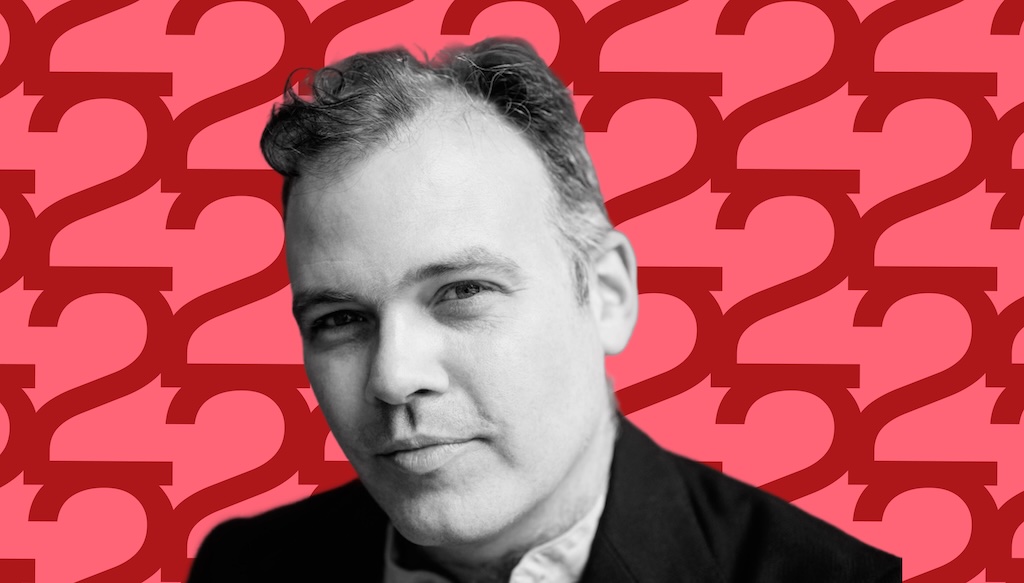
Kimball is a renowned concert pianist and composer. He is the founder of 88 International, a global network of programs that aims to fill critical gaps in adolescents’ lives. The nonprofit empowers secondary school students to become active agents of change in their communities through music and youth leadership.
We spent two minutes with Kimball to learn more about his background, his creative inspirations and recent work he’s admired.
Kimball, tell us …
Where did you grow up, and where do you live now?
I mainly grew up in the suburbs of Boston. My primary residence is the Upper West Side in Manhattan, but I am out of the country at least 6 months a year, mainly in North Africa and Asia. In those territories, 88 International runs programs in Tunisia, Morocco, Senegal, the Gambia and Myanmar.
What is your earliest musical memory?
My earliest memories are of hearing my father play piano in the mornings. Usually it was Bach or Mozart.
How did you first get into music?
My father taught me piano from the ages of 5 to 10. A few years later, I got interested in Schubert and Chopin, from listening to my fathetr practice and from a few classical CDs I had at the time. I was also obsessed with the song “We Didn’t Start the Fire” by Billy Joel (I tried to understand all the references) and with Guns N’ Roses’ Appetite for Destruction. A friend had the LP, and I copied it onto a cassette and then copied out all the lyrics by hand.
Who are your favorite musical artists, and what draws you to them?
For pianists, Vladimir Horowitz. For his idiosyncratic range of expression, from volcanically explosive to poetically lyrical. For songwriters, Paul Westerberg of The Replacements, for the raw vulnerability of his material.
What is a recent project you are especially proud of?
In March, I gave a recital at Carnegie Hall that brought together two halves of my life that had run in parallel. The first is the classical music I have lived with as a pianist for decades, Brahms and Debussy. The second is 88 International, the youth music education NGO we founded. We have built more than 130 student-led music clubs in public schools across various countries, including Tunisia, Morocco, Senegal, The Gambia, and Myanmar. And the first generations of alumni are now training the next ones. The Carnegie recital was the night when the concert stage and the work in the schools finally became one story rather than two.
What can music do that nothing else can?
Music creates belonging. It can bring together people from very different lives, languages and beliefs in one shared minute. I have watched students in the Gambia and Morocco write songs about their hardest experiences and perform them for audiences who may have lived nothing similar. And the audience receives the song anyway, in the way music asks to be received.
What would you be doing if you were not working in music?
I think I would have made a quiet living as a baseball scout. The kind who spends decades in the high seats of small ballparks watching players, looking for the one whose game says something the others don’t yet. The scout’s job is the same shape as mine: paying long, careful attention to young people and recognizing what they could become.
2 Minutes With is our regular interview series where we chat with creatives about their backgrounds, creative inspirations, work they admire and more. For more about 2 Minutes With, or to be considered for the series, please get in touch.