Newsletter
 Events


'GTA VI' Learned Its Music Strategy From 'Waiting to Exhale' and 'Bad Boys II'
Music and gaming always ride together


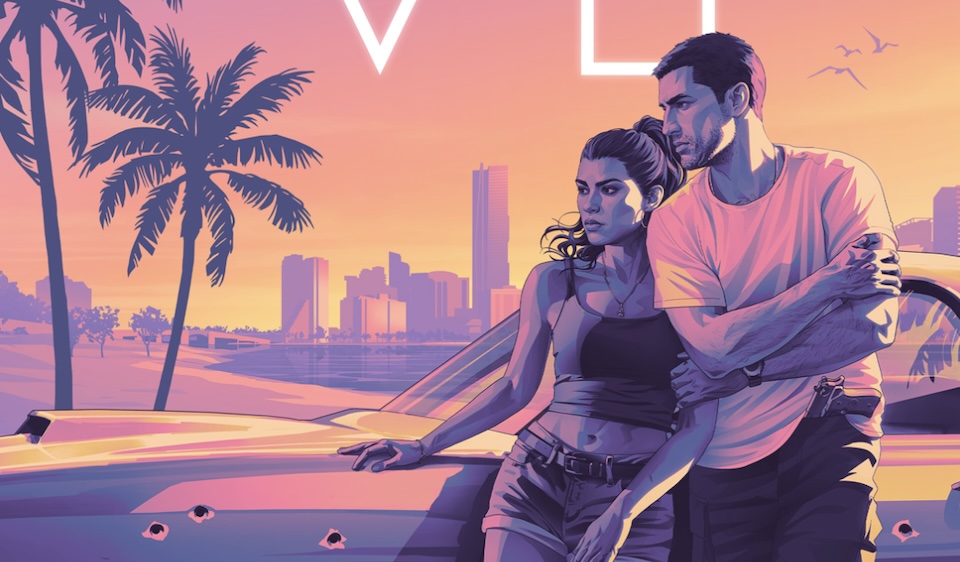
As a Grand Theft Auto V story completist, it didn’t matter whether I was driving as Michael, Trevor or Franklin. West Coast Classics was my soundtrack around Los Santos. Music and gaming have always gone together—and Grand Theft Auto is the rule, not the exception. So of course, music is at the heart of the GTA VI launch. But this launch feels different. Not just because of the stakes or because it’s been 13 years since the last title. It feels different because I’m older, and as a marketer and a gamer, I’m paying attention to who this release is really for and who it’s using to get there.
Start with the music. Atlantic Records and Rockstar’s announcement details an album of 34 original tracks releasing alongside the game. The physical game is a download code in a box, but the album is getting a vinyl release. Two days later, there’s a festival in Miami. The music is doing two jobs here: keeping the game in the cultural conversation and building a world that feels like it already belongs to the people who see themselves in it.
If that feels familiar, it’s because Black cinema helped write this playbook. The Waiting to Exhale soundtrack went No. 1 and seven times platinum, with Whitney Houston leading both the film and the album. Bad Boys II, another Miami story, also hit No. 1, selling 324,000 copies in its first week. These soundtracks did more than promote movies. They brought together artists, stories and audiences in a way that made the music a cultural event of its own. The audience could see itself in the experience before the movie even opened.
Rockstar is making a similar move, and for good reason. It’s harder than ever to get everybody excited about the same thing at the same time, and Black and Brown artists remain central to what moves culture. So the stage in Miami belongs to Travis Scott, Cardi B, Metro Boomin and Tainy, because that’s a picture of this launch that gets shared. But Morgan Wallen has one of the album’s most visible early singles, hosts Back Country Radio in the game alongside Lana Del Rey, and brings a very different audience into the experience. Yet he isn’t on the Miami festival lineup. That contrast is important. The album, the radio stations and the festival are all telling different stories about who gets to be part of this world and how.
My read is that the formula is familiar: borrow from Black and Brown culture to make the people who can afford the game and all its extras feel cool, while the communities supplying that cultural currency are left wondering what the relationship gives back.
And the price is steep. The standard edition is $79.99, while the Ultimate Edition is $99.99. There’s also a $399.99 Vice City collector’s set that doesn’t include the game. Then there’s the festival: one night, one city, with access determined by a ticket lottery and the added cost of getting to Miami. A free month of GTA+ is bundled with digital pre-orders, while the broader GTA Online membership model shows just how much value Rockstar sees in keeping players engaged beyond the initial purchase. None of this means Black and Brown gamers can’t spend $80 on a game. Plenty of us will. My download is already running. I’m saying the culture is on the stage and on the album, but I’m still looking for the part of this launch that was built with that community in mind.
I’ll be playing next week like the rest of the world, and I expect the music to be as good as it’s always been. But this launch is bigger than one day. There’s the festival, the soundtrack, the original score and an entire world that players will spend years exploring. Each is an opportunity for Rockstar to make Vice City feel real—not just familiar.
Waiting to Exhale and Bad Boys II understood that music could mean something beyond promotion. The artists weren’t just adding a recognizable sound to a product; they were helping tell stories that audiences recognized as their own. That’s why those soundtracks still mean something decades later. A world feels real when the people who inspire it can see themselves living in it and being valued in it. Do that, and you can bring everyone else in without reducing the culture to an aesthetic.
Rockstar still has time to build that connection. Because a formula can get the downloads and the trade headlines, but authenticity is what makes something part of our cultural history. Years from now, people will still be cruising around Vice City. The question is whether the communities that helped bring that world to life will feel like they ever belonged there.