Newsletter
 Events


Advertising IP Is the New Entertainment IP
Why brands need to invest in characters, lore and weirdness


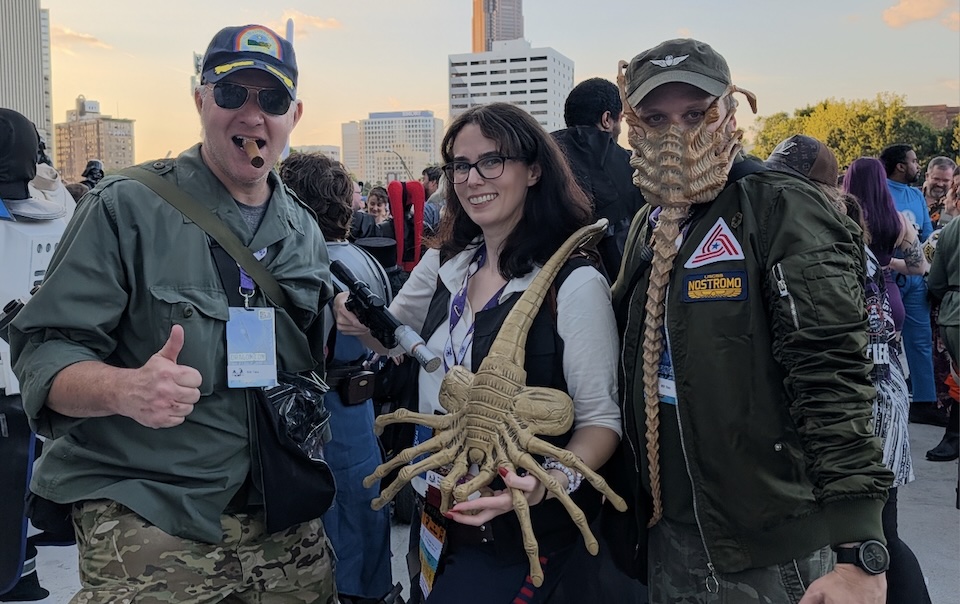
Picture it. A major pop culture or comic convention has taken over a city’s hotel conference rooms, hallways and lobbies. The space buzzes with energy as badge-wearing attendees move from panels to vendor booths, stopping to shop, snap photos or simply to people watch. Everywhere you look, fans are dressed as their favorite characters, brought together by a shared sense of community, fun and cosplay.
But lately, I’ve noticed something interesting. Among the superheroes, anime icons and beloved pop-culture characters, a different kind of fandom is emerging: advertising mascots. More and more attendees are showing up dressed as characters straight out of TV commercials, from mainstream favorites to niche and nostalgic figures like Domino’s The Noid.
It appears that these unlikely fan favorites are drawing more photo requests than legacy comic, anime and pop-culture icons with decades of fandom behind them.
This level of cultural adoption goes beyond nostalgia to reflect a fundamental shift in how culture works today. Advertising and brand characters, such as JG Wentworth’s Vikings, Starburst’s Berries and Cream Lad and the Noid, are now being treated with the reverence typically reserved for Marvel characters. The line between advertising IP and entertainment IP is collapsing, and it’s creating an unprecedented opportunity for brands.
Audiences are ready to adopt brand characters as genuine cultural properties. People are getting tattoos of mascots, cosplaying them at conventions, dressing up as them for Halloween, spending real money on vintage branded merchandise and building communities around it all. Culture has already voted: When advertising creates something genuinely entertaining and iconic, devoted fandom follows.
However, most brands aren’t built to capitalize on this. Instead of cultural longevity, they’re still operating on campaign timelines and testing protocols designed for 12-week product pushes. They’re optimizing for safety instead of permission. And they’re missing the moment when audiences are actively inviting them to build something that lasts.
Why Some Characters Break Through
The brands getting this right lean toward a philosophy and away from a formula. Take Progressive’s Dr. Rick: He didn’t arrive fully formed. Rather, he was introduced and then developed as a character people could understand. We meet someone navigating the insight that we’re becoming our parents, and then we’re allowed to live in that world over time. The category treats characters as ongoing cultural resources, not campaign vehicles.
The ad characters that resonate most are ones allowed to be funny in genuinely absurd ways. The Noid is weird. The Vikings are irreverent and unafraid to commit to the bit. The Starburst Lad is delightfully unhinged. These feel like they were made by people having fun as opposed to committees optimizing for safety. There’s permission and creative freedom baked in.
Practically speaking, everyday characters are inherently cosplayable and shareable. When a character lives in someone’s visual and tactile memory, and has a distinctive shape and recognizable silhouette, it becomes something people naturally want to participate with, recreate, and claim as their own.
What It Actually Takes
If you want to build ad IP with the staying power of entertainment IP, it starts with a shift in philosophy. Go all-in on a character and let your creative team run with it. Give them the latitude to find moments that feel natural and funny. Build just enough lore that people can latch onto it, and enough world-building to make them curious about what the character does next.
This means resisting over-testing. It means allowing some creative risk. It means understanding that a character who makes people laugh will do more for your brand than a character who perfectly executes a brand attribute in the safest way possible.
The brands winning in this space don’t separate advertising from culture. They treat it as culture and they’re letting it breathe and flow the way culture does.
They’ve given themselves the permission to be weird, to be funny, to overcommit to creativity, and to fully commit to something unhinged. That’s the secret ingredient to creating with culture.
Related: Don’t Rush to Judge Liberty Biberty. The Data Says Wait