Newsletter
 Events

How The Grass Cab's Shavon Sullivan Wright Turned Tragedy Into a New Career
She works to close the gap in cannabis education


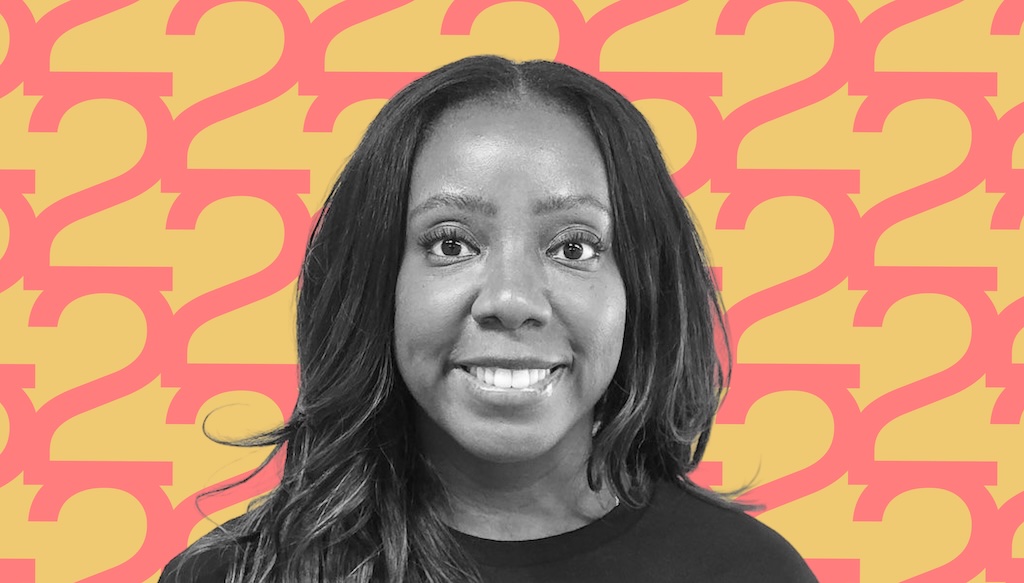
Shavon is the CEO and founder of boutique cannabis dispensary The Grass Cab. She’s an Emmy-winning producer with a career spanning 20 years in television production. Her credits include NBC’s Summer and Winter Olympics, six seasons of The Apprentice and various international events.
In 2019, Shavon won an Emmy for the OWN Network’s Black Women OWN the Conversation, a four-part series.
We spent two minutes with Shavon to learn more about her background, her creative inspirations and recent work she’s admired.
Sharon, tell us …
Where you grew up, and where you live now.
I was born and raised in Northeast Washington, DC, moved to New Jersey after college and commuted into NYC for work. I bounced around the television world for a while before settling back in N.J. a decade ago.
How you first got interested in cannabis.
My brother’s death from a drug overdose sits at the center of how I think about substances and survival. It changed the way I understand substance use and the complicated ways people try to cope with pain. It took me years to approach cannabis myself. When I finally did, I found something unexpectedly simple in it—not escape, not answers, just a quiet pull toward movement. I just wanted to dance.
One of your favorite projects you’ve ever worked on.
Bringing The Grass Cab to life. For the past four years, I’ve been working toward opening its doors, saving ideas and inspiration along the way across countless Pinterest boards. It’s been incredible to watch everything come together—from the lighting and floors to the standout cab desk. What I love most is how this project brings together every part of me, blending creativity with entrepreneurship.
A project you’re especially proud of.
Black Women Own the Conversation. One hundred Black women came together in a single room and spoke with honesty and vulnerability about their lived experiences. In that space, something rare formed quickly—it felt like a sisterhood, even among strangers.
The biggest challenge cannabis marketers face today, and how to approach it.
Thinking we already know the consumer. Cannabis brings people together, yet we still overlook under-served communities that belong in the conversation. Everyone remembers their first experience, but we lose touch as consumers evolve. The products are there—diverse, innovative and built for a wide range of needs. The gap is education. My goal is to close it.
One thing about how the cannabis industry is evolving that you’re excited about.
I’m always impressed by the range of new cannabis products hitting the market—everything from beverages and sublinguals to balms and lotions. Each format offers a different experience and benefit. Sublinguals, for example, are absorbed quickly and can provide more controlled dosing. Topicals, like balms and lotions, are often used for targeted relief. Infused drinks offer a more social way to consume.
It really highlights how cannabis is evolving—not just as a recreational option, but as a versatile tool for wellness and everyday support.
Someone else’s work, in cannabis or beyond, that you admired lately.
The comedian George Brett Olsen hopped on Insta and asked a question nobody saw coming: “Why did Black people stop saying ‘mark ass busta?'” Completely unprovoked. Zero warning. And somehow? The internet clocked in for duty. The League of United Latin American Citizens showed up, the Auntie Council grabbed folding chairs, and next thing you know we’ve got the “MF function” like it’s a full-blown community meeting. All from one question. Honestly, he reminds me of cannabis—sparking unexpected conversations and keeping everybody entertained, with just a little bit of confusion in the air.
A book, movie, TV show or podcast you recently found inspiring.
Legally Blonde. Because Elle Woods didn’t just face challenges—she made them look like light work. Law school? Handled. Haters? Silenced … all while pretty in pink. Her whole vibe was basically: “What, like it’s hard?” That’s the kind of confidence I’m trying to walk with daily.
A visual artist or band/musician you admire.
I’ve been following Samsins, an artist who recently showed at the BlackBoy Art Show, and I’m hooked. He often paints his subjects staring directly at you, set against bold, bright colors that demand attention. It feels less like you’re looking at art and more like the art is looking at you. Every piece feels like a private conversation you didn’t expect to have, but can’t walk away from.
Your favorite fictional character.
Olivia Pope. The confidence, the wardrobe, the suspiciously well-stocked apartment of wine and popcorn. She had a solution for every problem and a glass ready for it.
Someone worth following in social media.
Dopequeenpheebs is a must-follow, period. One half of the comedy duo 2 Dope Queens who had HBO in a chokehold, she serves laughs and real-world updates like it’s part of her job description. Funny, smart and actually knows what’s going on? Go ahead and hit follow before you embarrass yourself.
Your main strength as a marketer/creative.
I’m at my best when I’m creating what the market hasn’t seen yet.
Your biggest weakness.
I am a certified over-thinker—I’ll happily tinker with an idea until it’s just right.
What you’d be doing if you weren’t in the cannabis industry.
I’d be busy turning ideas into your next favorite TV shows.
2 Minutes With is our regular interview series where we chat with creatives about their backgrounds, creative inspirations, work they admire and more. For more about 2 Minutes With, or to be considered for the series, please get in touch.