Newsletter
 Events


NBCU's Andrew Gottlieb on the Power of Collaboration
'Be the person people want in the room when things get difficult'


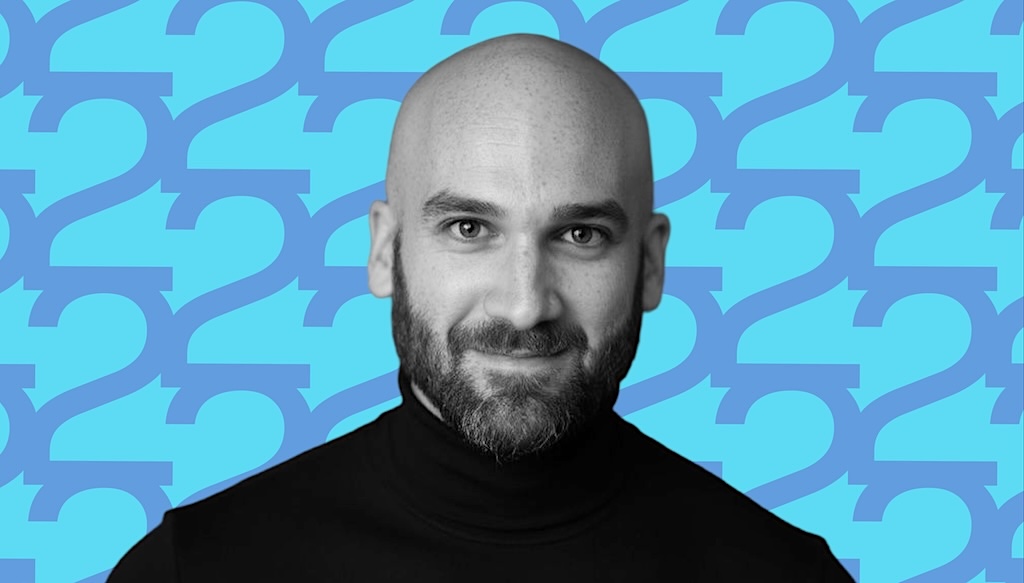
Andrew Gottlieb is VP of creative, Rock Studios, advertising & partnerships at NBCUniversal. He oversees teams responsible for some of the company’s highest-profile live events—including the NBCU Upfront—as well as award-winning creative and entertainment experiences for leading brands.
“Creators, talent and premium content already mean something to their audiences,” says Andrew. “When a brand enters that world, it is joining a relationship, not buying one. Technology gives us new ways to deepen that connection and turn viewing into participation. But it cannot manufacture relevance.”
“The brand still needs a reason to be there. The better question isn’t, ‘How do we put the brand into this?’ It’s ‘What can the brand make possible?’ When its presence makes the story or experience better, the audience understands why it belongs.”
Earlier in his career, Andrew spent a decade on Broadway, where he was part of the teams behind shows including the Tony Award-winning Billy Elliot and Matilda musicals. He also served as a producer on Steve Martin’s Broadway comedy Meteor Shower starring Amy Schumer.
We spent a few minutes with Andrew on his background, inspirations and on the network’s 100th anniversary.
What creative hill would you die on?
Timing is everything. The right idea at the wrong moment can be the wrong idea. Recognizing a good idea is one thing. Sensing when an audience is ready for it is another. The same applies to the work itself. You need to know when to keep pushing and when to stop perfecting it and release it into the world.
What’s a belief about creativity you’ve changed your mind about?
I used to think creativity thrived on unlimited possibility. Starting with a blank page sounds romantic until you have to fill it. The right constraint gives an idea something to push against. A deadline forces a decision. A budget reveals what matters most. I won’t pretend every limitation is a gift. But your approach can determine whether it sharpens the work or simply makes it smaller. The real skill is knowing which to embrace, which to challenge and how to turn the unavoidable ones into choices rather than compromises.
Best career advice you actually followed?
Be the person people want in the room when things get difficult. I learned that on Broadway, where most problems have to be solved while the performance keeps moving. Live television reinforced that lesson. Being valuable in those moments isn’t simply about having the answer. It’s about staying calm enough to understand the actual problem, helping other people think clearly and moving everyone toward the next good decision. Talent matters. But temperament often determines who gets trusted when the stakes are highest. People remember what you made. They also remember what it felt like to make it with you.
How is the creative process evolving?
Technology is accelerating every stage of the creative process. The more interesting question is what we choose to do with the time it gives back. I think of that time as creative capital: we can spend it on more output or invest it in a better idea. I know where I’d put my money. Technology should create room for greater ambition, not just greater volume. If we use all that new capacity just to make more forgettable work, we’ve misunderstood the gift.
What does collaboration mean to you as a creative advantage in the industry?
Collaboration is the creative advantage. You can’t be threatened by someone else’s good idea. You have to recognize it for what it is: a chance to make something better. The best creative cultures encourage everyone, regardless of role, to contribute to the solution. An idea may begin with one person, but the best work rarely ends there.
From your perspective, what ideas are the ones that become a part of culture?
An idea becomes part of culture when it feels surprising and recognizable at once. It gives people language for something they already felt but couldn’t quite name. They quote it, adapt it, debate it and use it to express something of their own. Losing a little control is the point. You can create the work. Only the audience can make it culture. Oh, and timing is everything.
With the 100th anniversary of NBC, can you comment on creative that has come from the network, including legacy shows, and how they are being reimagined in today’s media landscape?
“Live from New York” is more than an opening line. It is a promise that something is happening now and we are experiencing it together. For a century, that sense of shared experience has run through NBC’s legacy. From Today and late night to the Olympics and the Macy’s Thanksgiving Day Parade, these programs have become rituals, reference points and part of the culture across generations. Reimagining that legacy means creating more ways for people to participate through broadcast, streaming, social, live experiences and brand partnerships. The challenge is doing that without losing what made those moments matter in the first place. The platforms will change, but the desire to experience something together won’t.
Your main strength as a creative person?
Some might call it skepticism. I call it a healthy distrust of the first answer. Not because it’s always wrong, but because it’s often the fastest way out of discomfort. Creative work requires a high tolerance for ambiguity. A plausible answer usually arrives quickly. The interesting one often asks us to remain uncomfortable a little longer. I’m comfortable when the challenge is clear but the solution isn’t. That uncertainty creates room for ideas no one could have discovered at the outset. I believe in this at work and, with varying degrees of success, in life.
You’ve got 2 minutes with the industry. What’s your hot take?
We’re living through an extraordinary moment for creativity. There have never been more ways to tell a story or more opportunities to reach people. At the same time, audiences have never had more choices about where to spend their time. The question isn’t how to get people to pay attention. It’s what can we give them that is worth their attention. People will still devote an irresponsible amount of time to something they love. For brands, that means creating something that entertains, surprises, invites participation or simply makes someone’s day a little better. The bar has never been higher. And I’d rather try to clear it than ask the audience to lower it.
2 Minutes With is our regular interview series where we chat with creatives about their backgrounds, creative inspirations, work they admire and more. For more about 2 Minutes With, or to be considered for the series, please get in touch.