Newsletter
 Events
Here's the Dish on Expo West 2026
Fibermaxximg, peak protein and all the latest trends in natural foods and wellness



Food is medicine, and today’s biohacking consumers are the self-appointed CEOs of their own wellness. Longevity and health-span are the watchwords. Products, in this environment, must do far more than fill someone’s belly. They must aid digestion, boost immunities, sharpen brains, build muscle. That’s why there’s creatine in coffee, mushrooms in mocktails, protein in pretzels and collagen in power bars. And please, make it swicy.
No one understands this phenomenon better than the marketers at Expo West, who helped pioneer the better-for-you movement and usher it into the mainstream.
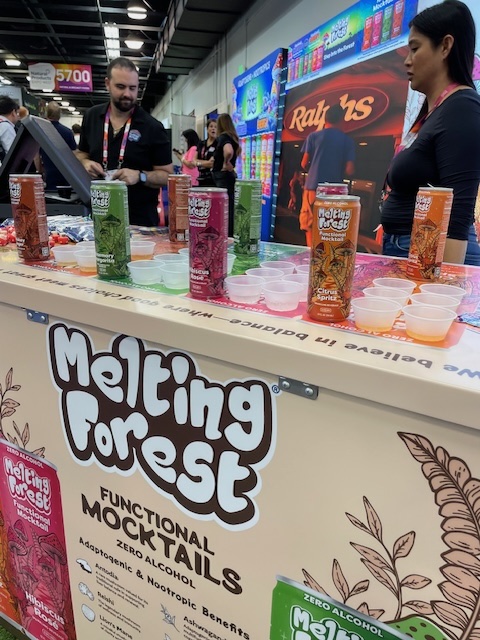
The 45-year-old conference is the granddaddy for natural and organic products and a bellwether of what to expect on store shelves, with its trends both reflecting and predicting consumer behavior. Held every spring in the shadow of Disneyland, it spans 500,000 square feet and hosts 60,000 entrepreneurs, retailers, manufacturers, investors and media.
Another data point: my one-day step count at the Anaheim Convention Center was 16,737!
The 3,100 brands on display at the annual gathering last week—ranging from food and beverage to supplements and beauty potions—touted their latest flavor innovations, upcycled ingredients, clean labels and regenerative practices.
Here are several of my takeaways from the event, which has been dubbed “the Cannes Film Festival of natural nibbles” for an industry that reached $342 billion in sales in 2025.
Full-on fibermaxxing
In nearly every corner of the show, fiber has entered the chat. (See also its recent appearance in the Super Bowl via a Raisin Bran commercial…with Will Shat!). Per the National Institutes of Health, as many as 95 percent of Americans don’t get the daily recommended dose of fiber. This isn’t a newly unearthed number. It’s just a newly hot topic of conversation as consumers try to correct their diet deficiencies and whittle their waistlines.
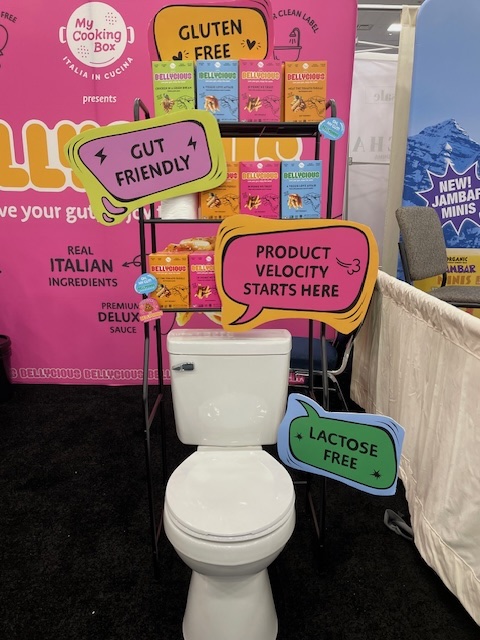
Expo marketers put a 2026 twist on their products—dill pickle flavors for bean-centric snacks, for instance—and heroed the fiber content on-pack. Plant-based family-friendly brands like Goodles continue to be unstoppable forces, even though the produce section and supermarkets in general have stocked fiber-forward foods for decades. It’s a positioning thing.
Peak protein?
When there are dozens of grams of protein crammed into pretzels, coffee, pasta sauce, bread, chips and pizza, you might think the food industry has hit a pinnacle. You’d be wrong. Protein is one of the most significant ongoing stories, especially as GLP-1 use continues to ramp up (predictions are 25 million Americans on the drugs by 2030).
“It’s not that consumers want protein in anything and everything—it can sometimes feel like a misfit for certain products—but yet they’re not rejecting it,” said Olga Osminkina-Jones, group CMO for Flora Food Group, home to Violife and other brands. “Protein is no longer a trend—it’s mass behavior.”
Meat sticks are all the rage, still, with chicken being the new frontier, having captured only about 1% of sales in the segment. Chomps is launching its first chicken sticks, aiming for consumers who eat an average 100 pounds of chicken a year but aren’t meat sticks buyers.
“People want simplicity—they don’t have a lot of time to study ingredients—and they want something convenient and on-the-go,” said Elizabeth Carter, Chomps’ president. “They’re very interested in protein, but they want to make the right choice.”
Packing a punch
Less is more, meaning brands continue to simplify their labels and ingredient lists. At the same time, brands are actively promoting multiple benefits in a single product, which Osminkina-Jones called “stacking.” The alternative soda and adaptogenic beverage categories, further exploding with would-be Poppi and Recess competitors this year, is a strong example, leaning into their low-sugar, prebiotic, energy boosting, mood enhancing cues. Hydration in general was ubiquitous at the expo, and nobody was talking about plain old water. That’s so 2000s. “You have to innovate—that’s what Walmart wants, it’s what all retailers want,” said Peter Burns, CEO of Justin’s, noting the need for new easy-access formats and updated flavor combos. But that’s not the same thing as jumping on a fad. “Trends come and go, but if you have real food, you’re never going out of style.”


Lifelong journalist and newshound • Brand watcher and trend spotter • Content creator • Fitsplainer