Newsletter
 Events
Big Media Trends Include Vodka Bots, Rocked Raccoons, Fake Apologies, Merger Mania
Drink up, puny humans


December continues with a flurry of media news … another day, another bid to combine entertainment behemoths, another chance to behold the prescience of 30 Rock. As for adland, there’s scant joy in recent seismic shifts, no matter what an Omnicom exec says in a much-dragged and now-deleted LinkedIn post.
For those still smarting from having their Spotify “listening age” algorithmically assigned, how about wrapping up in a Cloud Dancer blankie? Pantone’s 2026 non-color color of the year choice is “billowy white imbued with serenity,” suitable for turbulent times. And if the holiday list still beckons, Nike’s formerly nerdy, suddenly hot quarter-zip pullovers may still be in stock. Pair those with some potato shoes to thoroughly slay your Christmukkah gifting.
Read on for other trends in the marketing and pop-culture universe.
Lying liars who lie
Brands are using fake apologies as marketing hooks. And consumers are dragging brands about being ghosted, but none of their sob stories are true. Do these coinciding trends make any more sense if you know that rage bait is officially a 2025 word of the year? Probably not. Yet plenty of people are hopping mad after seeing examples of one or the other, though that’s apparently not the intention. The violators include Virgin Voyages, Pizza Hut, Vaseline and Skoda, to name a few, who may have resorted to the bait-and-switch faux-sorry tactic to grab eyeballs during a fiercely competitive selling season. Taco Bell is sorry, not sorry, for dropping “another crave bomb,” while Maybelline New York apologizes-humble brags for “making mornings too easy, touch-ups too rare and selfies too flawless.) And as for the TikTokers who are publicly shaming Honda, Revlon, JetBlue, Louis Vuitton and others for allegedly not following through on customer complaints, they say their impassioned posts are only a joke. Also an appeal for free swag, which some brands are dispensing, potentially giving the ploy a longer shelf life than it deserves. Both tactics get a lump of coal.
View this post on Instagram
Criminally adorable
Wasn’t I just asking for more sharp reactive marketing? Indeed. And Christmas came early, in the form of “Trashed Panda” T-shirts, hoodies and mugs from the Hanover (Hangover?) County Animal Protection and Shelter. In the last week, the merch has raised more than $150,000 for the Virginia program that sobered up an instantly famous drunk raccoon and released him into the wild. The money will be used for employee training, safety equipment and (party) animal supplies. The ABC liquor store where the critter went on his bender, meanwhile, has turned the break-in and caught-on-video rampage into a list of cocktail recommendations with names like Rye Rascal Sour and Midnight Masked Gin Fizz. Chances are it’s driving traffic … of the two-legged variety. Shelter officials said they had no idea that posting a photo of the passed-out raccoon would melt the internet or land on SNL. But they’re now part of a savvy marketing community of nonprofits, zoos and rescues that are making superstars out of everyday varmints and endangered species. (See pygmy hippo Moo Deng, Fat Bear Week and Rico, the Cincinnati Zoo porcupine with main character energy). As long as the quest for online exposure doesn’t outweigh conservation, education and care, go with god, social mavens, and keep the aww-inspiring content coming.
Bots prefer Svedka
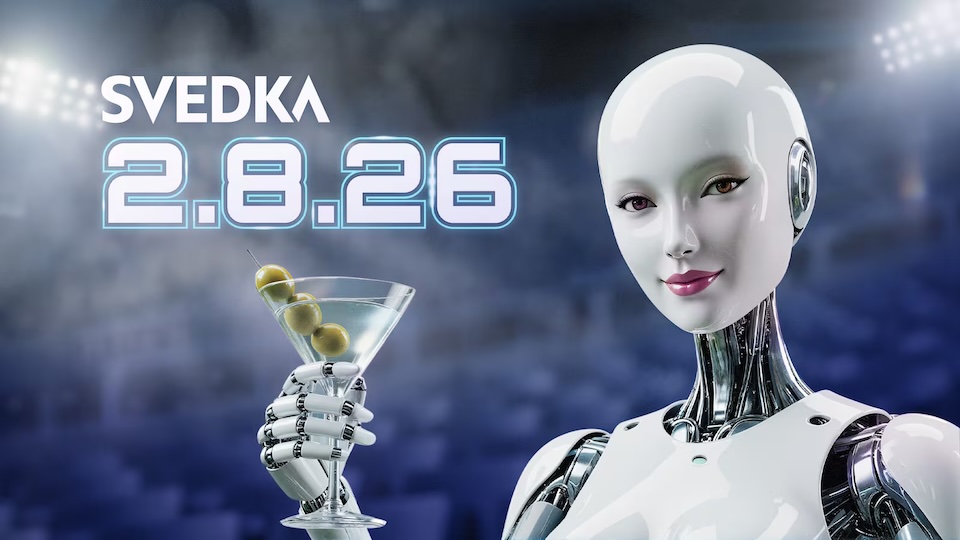
Svedka Vodka announced that its comely bald mascot, Fembot, will star in the Super Bowl’s first fully AI-generated ad in February. While touting the role of tech in the spot, parent company Sazerac’s CMO promised “every second of it has been written, telegraphed and iterated by humans.” That high-touch element has emerged as a dominant theme in new ads lately, some pegged to the season, including Teleflora’s hero nurse in an oversized robot costume and Apple’s woodland creature puppet extravaganza. The Dutch State Lottery, a perennial holiday standout, goes for a handmade feel with a sweet stop-motion tale, and the UPS Store’s “Verify You Are Human” poignantly comments on the man-versus-machine debate. Greenfield Natural Meat Co. gets in a few digs about factory farming along with saying the ad itself is “made the hard way,” and Red Wing released an ode to manual labor under a similar tagline. There’s plenty more where these came from, with brands and agencies likely to double down on painstaking work, hyping human creativity as part of the message and telegraphing some hope to the industry for 2026.


Lifelong journalist and newshound • Brand watcher and trend spotter • Content creator • Fitsplainer